३० सप्टेंबर, २०२६ ची आवृत्ती

  1. अवकाश आणि खगोलशास्त्र

    A HIDDEN GIANT NEXT DOOR?

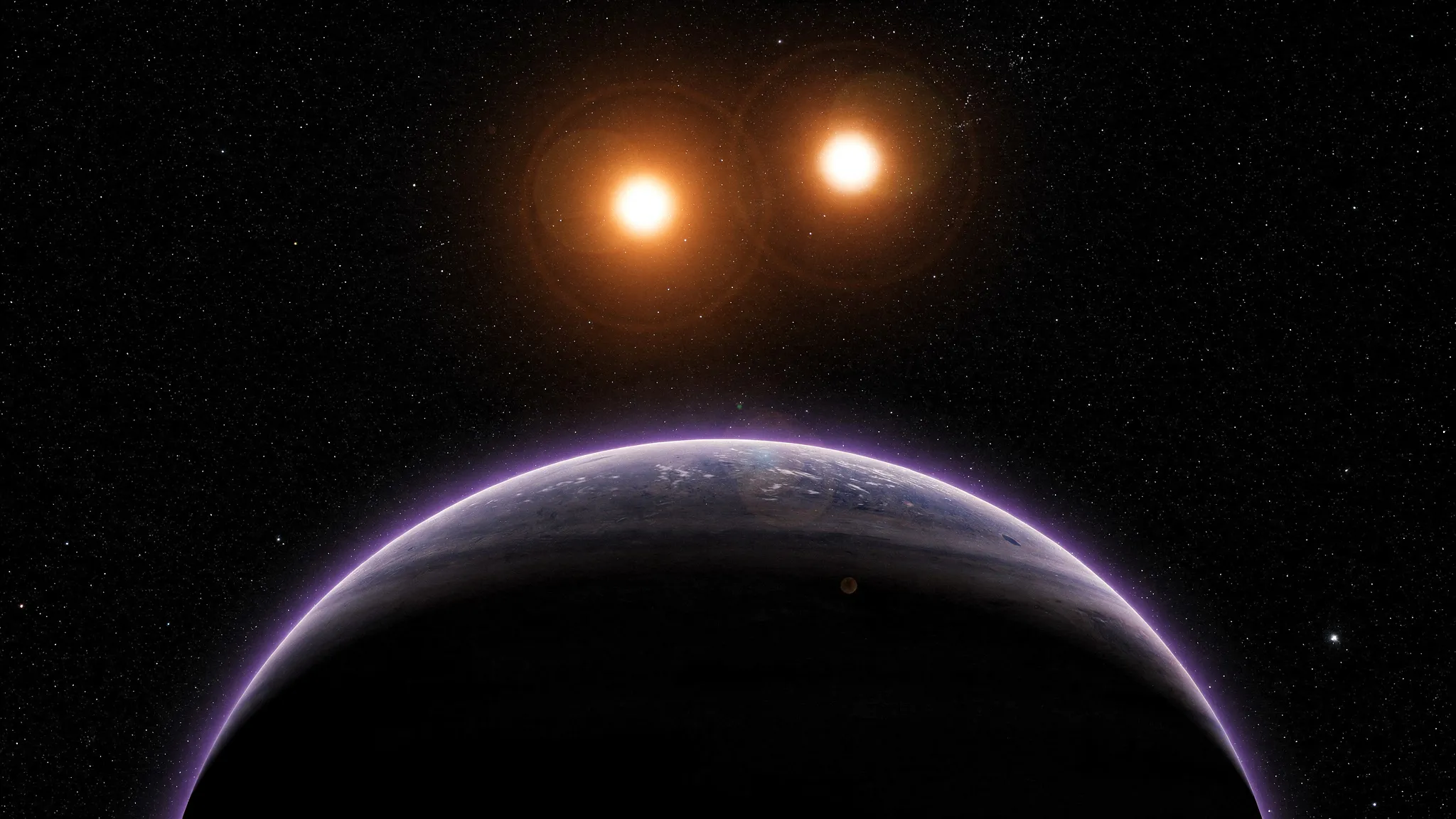
    Two orange stars side by side in deep space, a faint dark giant planet lit at its edge in the foreground.

    61 Cygni is a pair of orange stars just 3.5 parsecs away. It was the first star ever to have its distance measured. Future telescopes want to search it for Earth twins.

    Something invisible tugs on one of the two stars. Gaia and Hipparcos data reveal a small wobble in their motion. No planet has ever been confirmed there.

    A team combined 37 years of measurements and a million simulated orbits. Their best fit: a cold giant about eight times Jupiter's mass, roughly eight times farther from its star than Earth is from the Sun.

    Close enough, it would wreck the habitable zone, where an Earth twin could live. Farther out and tilted, it could too. So before hunting for Earths there, astronomers must confirm this candidate.

    Source: Worlds Next Door. V. A Candidate Solar System Scale Super-Jupiter in the 61 Cygni Binary System, https://arxiv.org/abs/2609.32893
    प्रीप्रिंटडेटा विश्लेषणवाचनासाठी ४ मिनिटे
  2. भौतिकशास्त्र

    HOW EASILY DOES ANTIMATTER FORM?

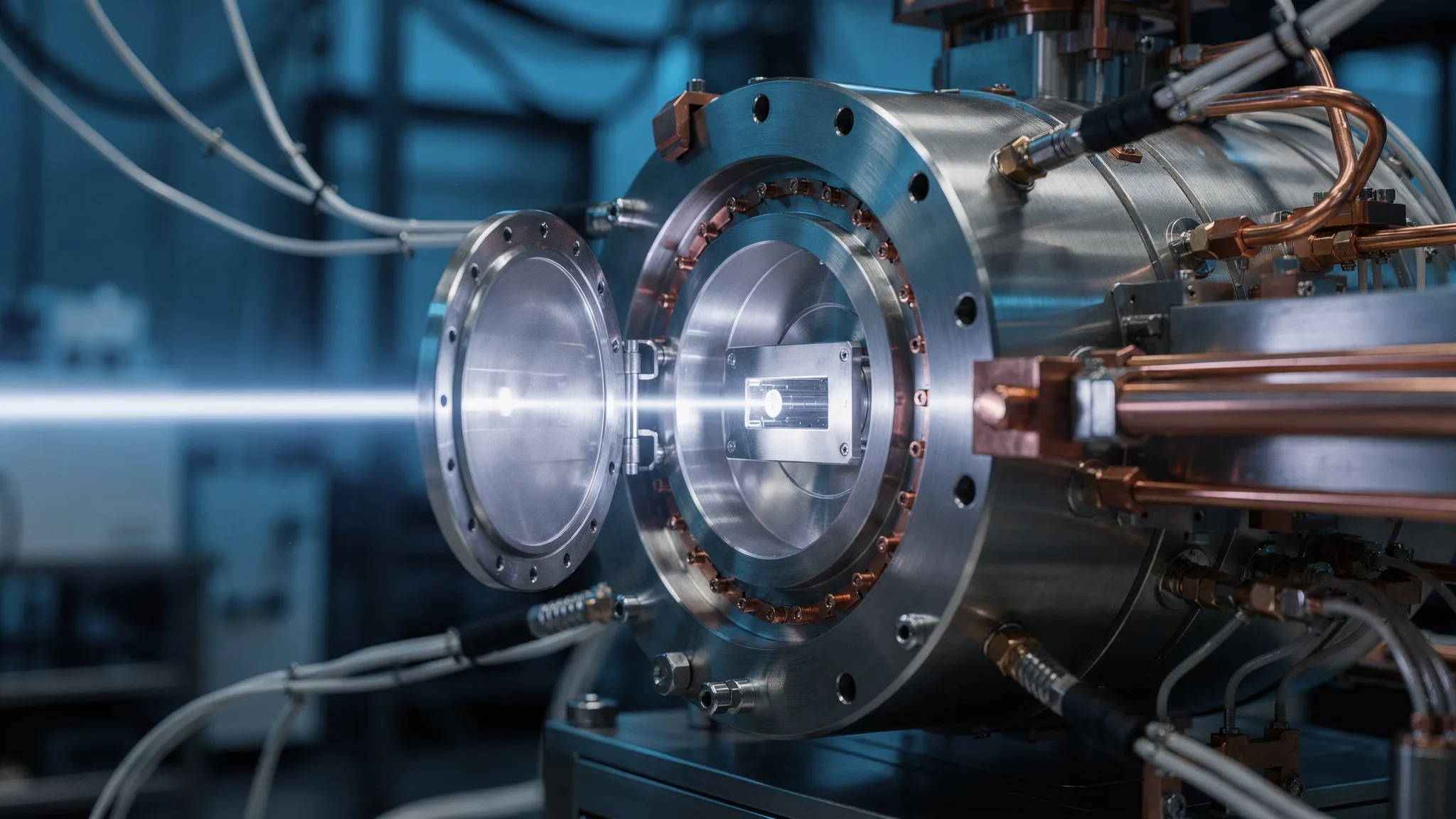
    A narrow beam of particles entering a small glowing cavity inside a steel vacuum chamber, lit in blue.

    Antihydrogen is the mirror twin of hydrogen: an antiproton with a positron. The GBAR team at CERN wants to drop it and watch it fall. First, they must make it efficiently.

    Their recipe: shoot antiprotons into a cloud of positronium, an atom made of an electron and a positron. Sometimes an antiproton steals the positron.

    For the first time, they measured how likely this is. About 390 antihydrogen atoms at 6 kiloelectronvolts, about 70 at 4. The odds match two independent quantum calculations very well.

    Their uncertainties beat those of the only measurement of the same reaction with ordinary matter, from 1997. These numbers now set how fast GBAR can collect atoms for its free-fall test of antimatter.

    Source: First measurement of the antihydrogen production cross section through the charge-exchange reaction of low-energy antiprotons with orthopositronium, https://arxiv.org/abs/2609.33990

    प्रीप्रिंटप्रयोगवाचनासाठी ३ मिनिटे
  3. पृथ्वी आणि हवामान

    IN 2025, THE LAND BREATHED IN AGAIN

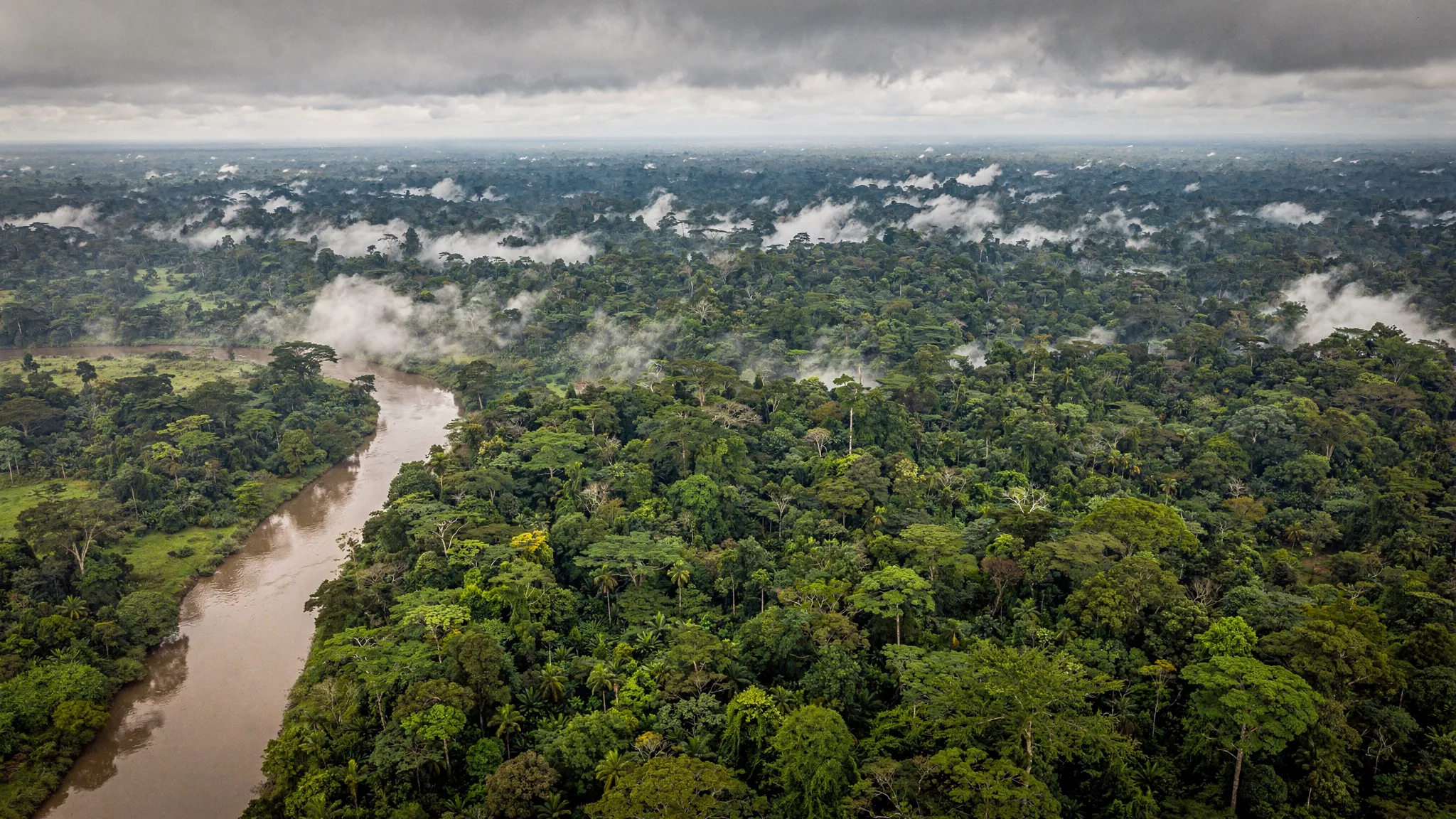
    Aerial view of a green tropical forest after rain, mist rising between the trees under an overcast sky.

    In 2024, carbon dioxide in the air grew at a record pace. In 2025, the growth rate fell by 45%. Yet fossil emissions still rose by 0.7%.

    How can that be? A team led from France and China combined vegetation models, ocean models and the OCO-2 satellite. They built a carbon budget for 2025 within months, not a year.

    The answer is the land. Forests and soils absorbed about 2.4 billion tonnes of carbon in 2025. In 2024 they had absorbed almost nothing, or even released carbon. The ocean barely changed.

    The tropics recovered most, especially Africa. Northern lands recovered only partly. CO2 in the air is still rising, just more slowly. And this sink swings with drought and El Niño.

    Source: Low latency global carbon budget reveals strong land sink recovery in 2025, https://arxiv.org/abs/2609.34226

    प्रीप्रिंटडेटा विश्लेषणवाचनासाठी ३ मिनिटे
  4. वैद्यक आणि आरोग्य

    A LASER IN A CONTACT LENS

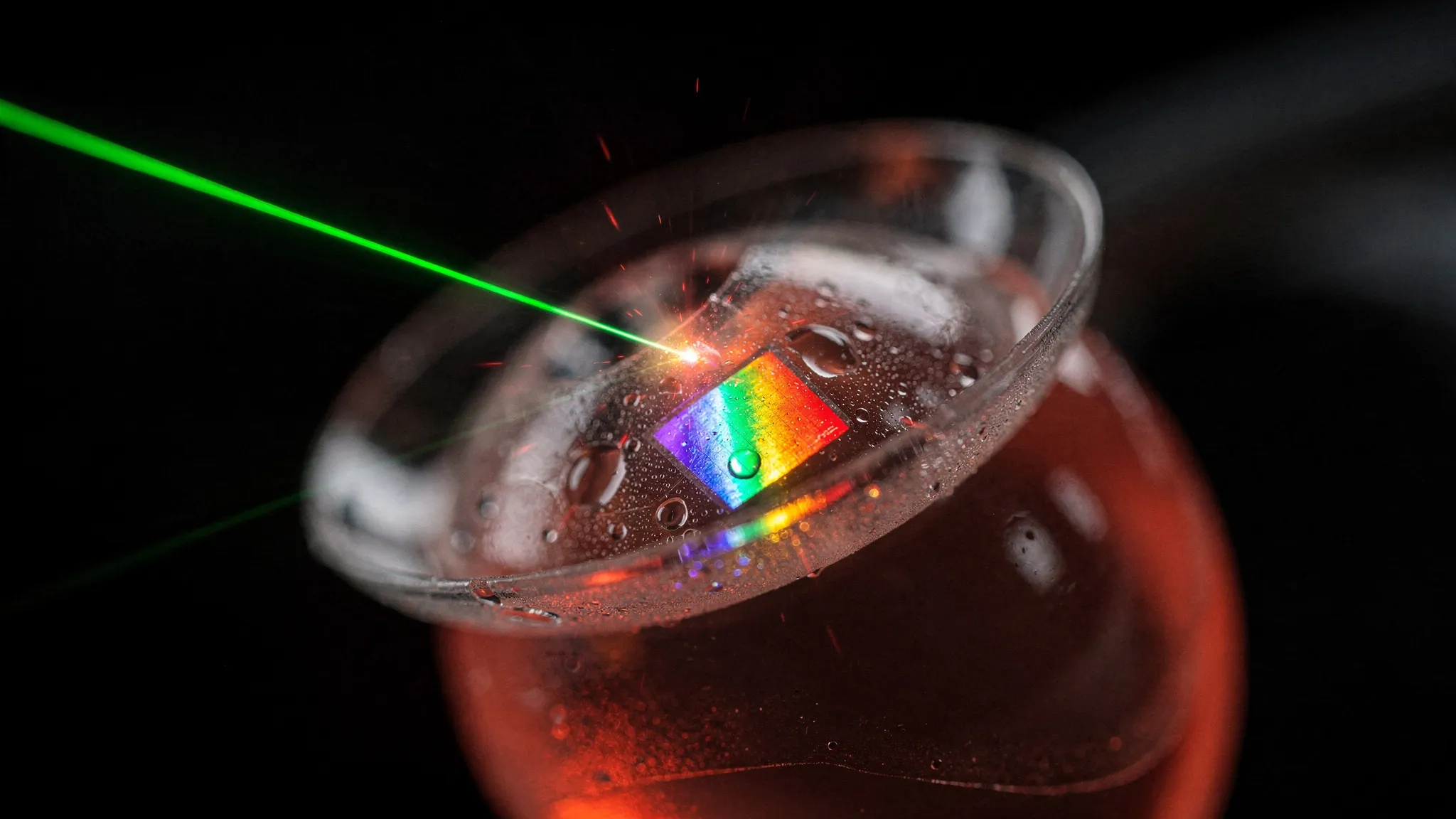
    A clear soft contact lens resting on a red-lit artificial eye, a green laser beam hitting a small rainbow-sheened patch near its centre.

    Glaucoma is managed by tracking the pressure inside the eye. Today, it is measured only at the clinic, now and then. Daily swings go unnoticed.

    A company team in Dubai built a soft contact lens with a tiny laser on it. A dye film, thinner than a micrometre, glows when flashed with green light. Its colour shifts as the lens stretches.

    On an artificial eye, raising the pressure turned the laser line slightly redder. The sensor read pressure to within about 1.2 millimetres of mercury. That is about the precision monitoring requires.

    No human or animal eye was tested yet. The pump laser and spectrometer are still outside the lens. Temperature also shifts the reading. The authors hold a patent on the design.

    Source: Contact lens with stretchable distributed-feedback laser for intraocular pressure monitoring, https://arxiv.org/abs/2609.34476

    प्रीप्रिंटप्रयोगवाचनासाठी ३ मिनिटे
  5. जीवशास्त्र

    CELLS THAT DIVIDE KEEP THE SWIRLS PERFECT

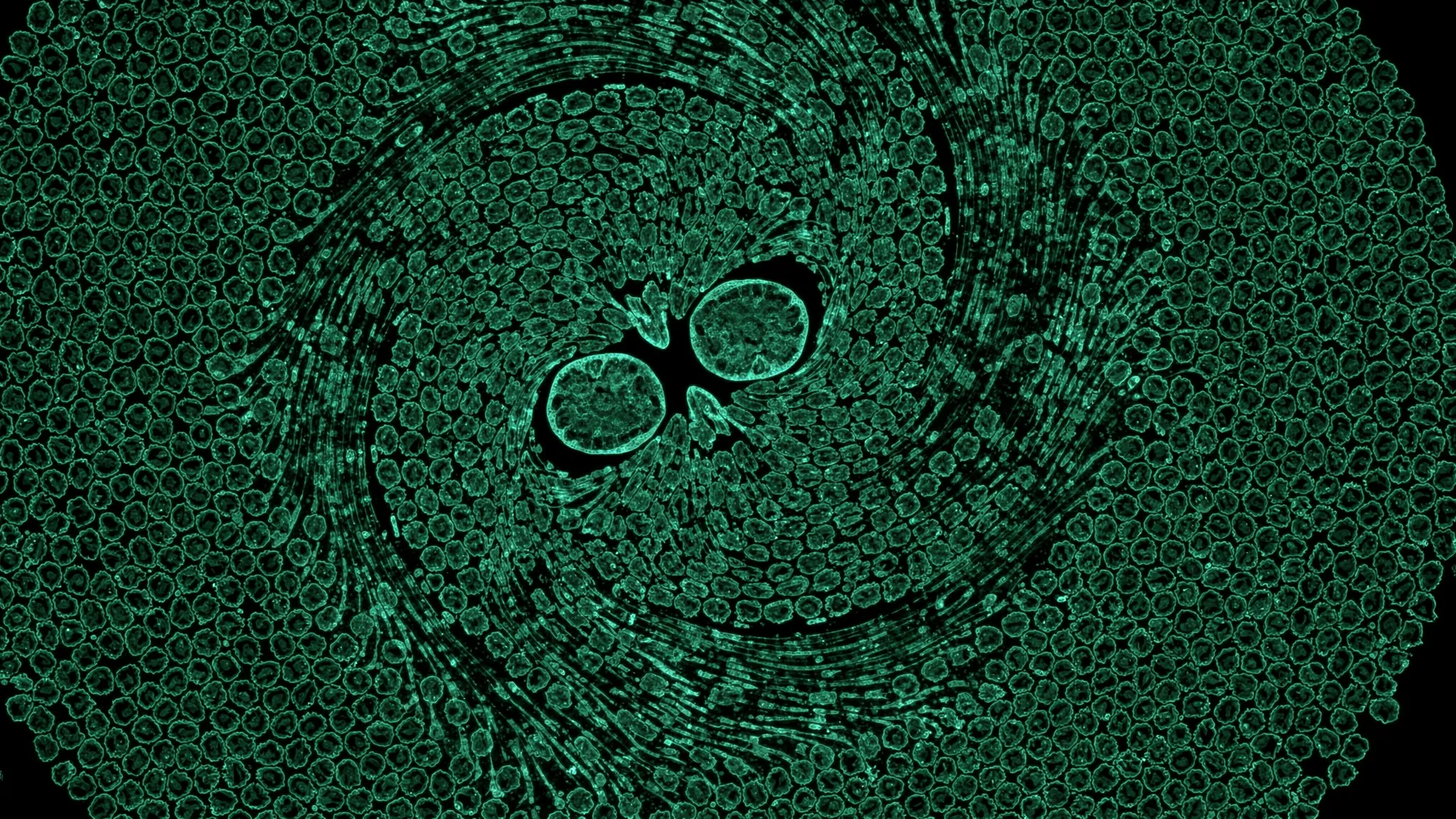
    Microscope view of a dense layer of epithelial cells, one cell in the middle dividing into two, lit in green.

    In a sheet of epithelial cells, cells swirl together in jets and vortices. The lines between clockwise and anticlockwise swirls follow a strict universal geometry. It looks the same zoomed in, zoomed out or rotated.

    Physicists in Copenhagen blocked cell division with two different drugs. The cells kept moving and swirling. But the special geometry broke down. Its key number jumped from 6 to about 8.

    Blocking cell death instead changed nothing. A computer model confirmed the culprit: without divisions, cells swap neighbours less. The tissue becomes stiff and over-constrained.

    So division does more than make new cells. It keeps the cell layer flexible enough to rearrange. The authors suggest anti-cancer drugs that stop division might also change how tissues move. That idea remains untested.

    Source: Cell division sets a universal flow geometry in cell layers, https://arxiv.org/abs/2609.34631

    समकक्ष-पुनरावलोकितप्रयोगवाचनासाठी ३ मिनिटे
  6. अवकाश आणि खगोलशास्त्र

    HUBBLE CATCHES A LAVA WORLD'S GLOW

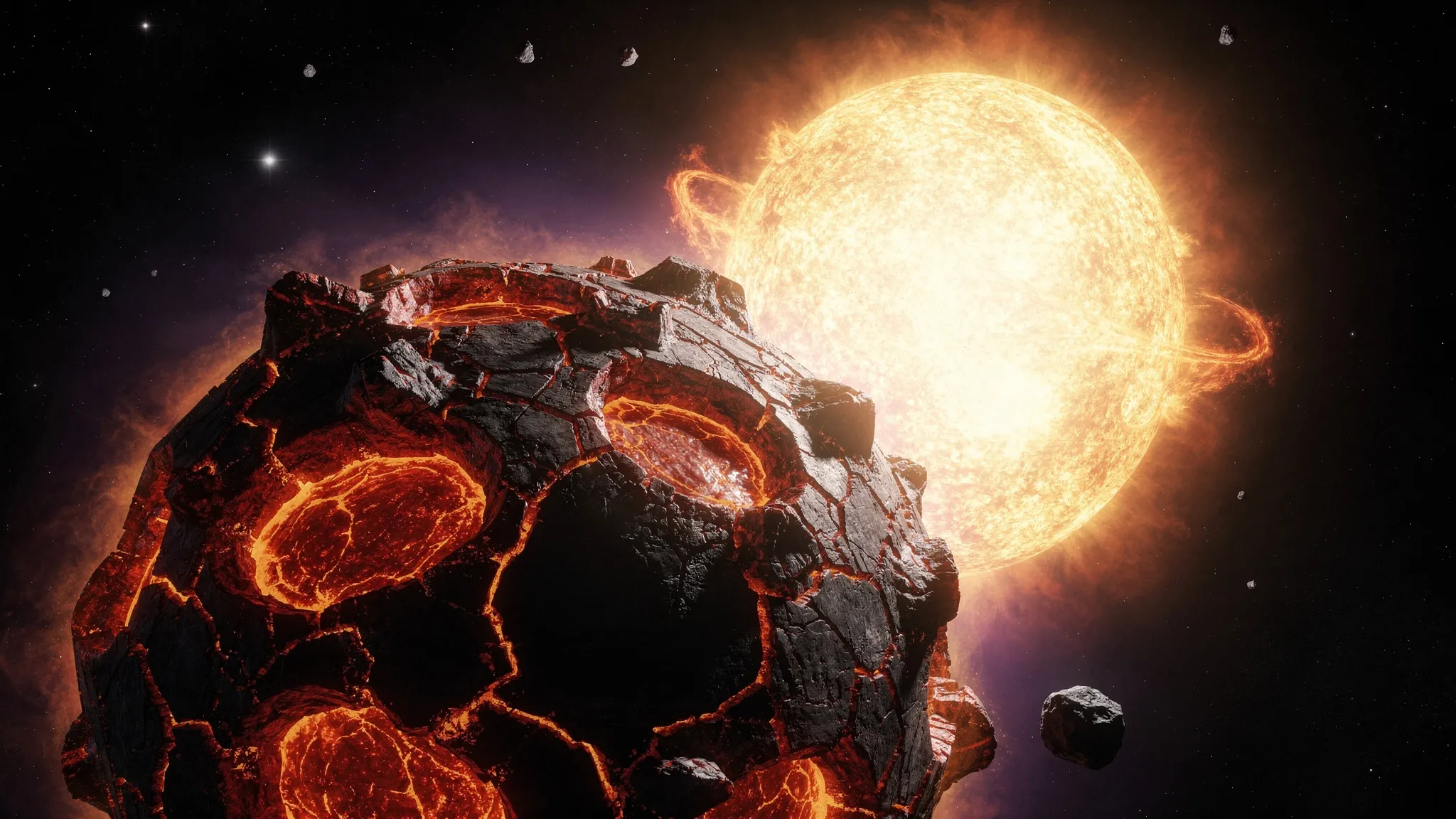
    A rocky world with a cracked dark crust and glowing pools of lava, close to a large blazing star, against black space.

    TOI-2431 b is a rocky planet one and a half times wider than Earth. It circles its star in just 5.4 hours. Its day side should be partly molten.

    Astronomers used Hubble to watch it pass behind its star. The total light dipped by just 69 parts per million. It is the first time Hubble has caught such an eclipse for a rocky planet.

    Combined with the TESS satellite, this gives a day side near 2,500 kelvins. That is almost the maximum possible, as if no heat reached the night side. Other lava worlds look cooler than expected.

    One catch: some of that light could be reflected starlight. If so, the planet is a bit cooler. The James Webb Space Telescope should settle it in the mid-infrared.

    Source: The First Hubble Detection of a Secondary Eclipse from a Rocky Exoplanet: the 5.4-hour planet TOI-2431 b, https://arxiv.org/abs/2609.31966

    प्रीप्रिंटनिरीक्षणवाचनासाठी ३ मिनिटे
  7. रसायनशास्त्र

    THE PHOSPHORUS OF LIFE, BORN AMONG THE STARS

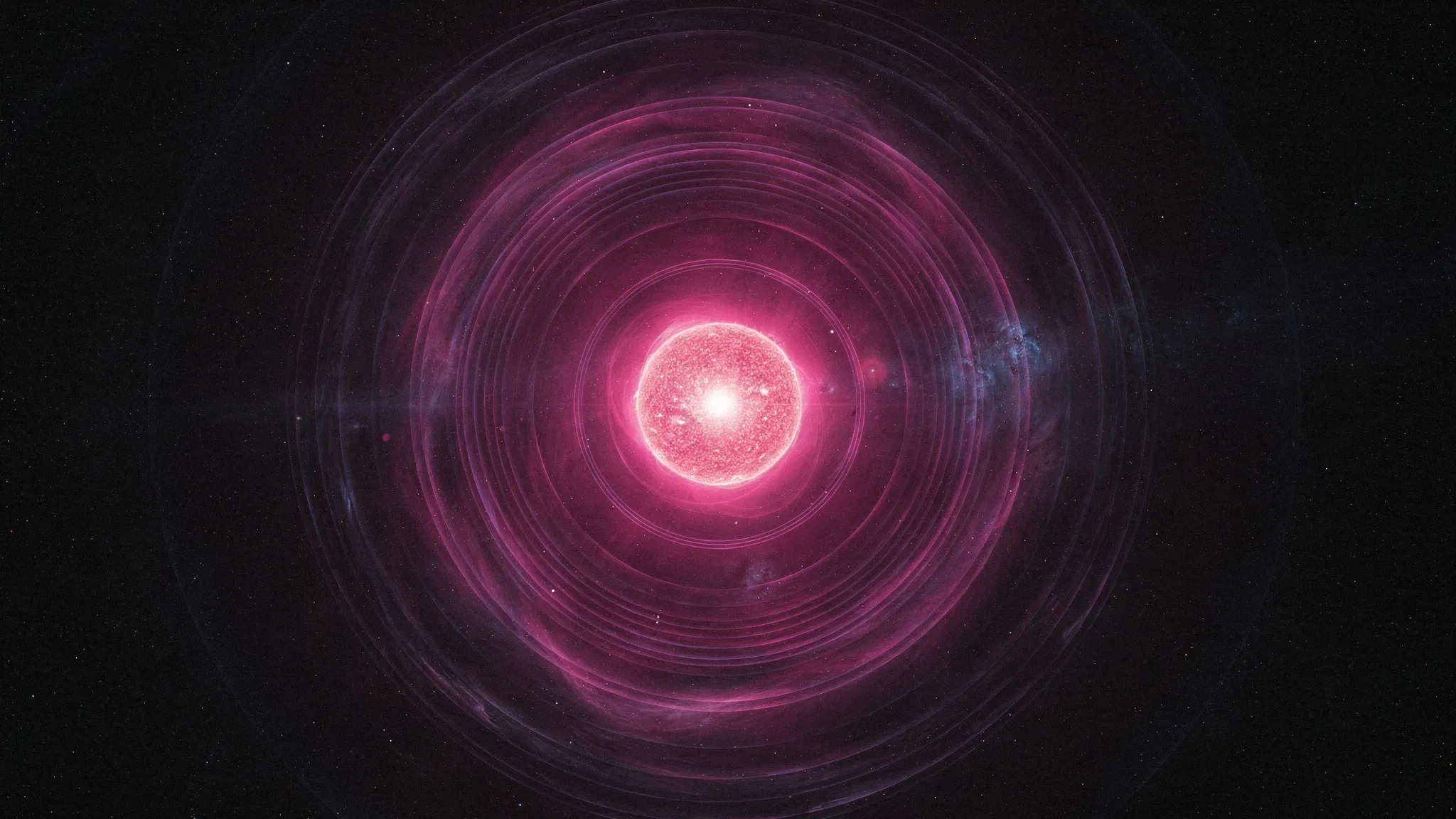
    An old star surrounded by concentric shells of glowing gas spreading outward into dark space, lit in magenta.

    Phosphorus is rare in the Universe, yet DNA, RNA and ATP all need it. How did it end up in living matter? Nobody knows for sure.

    In space, only three molecules linking phosphorus and carbon have been seen. Chemists suspected a key step: a phosphorus ion meeting acetylene, a simple carbon gas.

    A European team fired phosphorus ions at acetylene at the SOLEIL synchrotron near Paris. 99% of collisions made one product, HCCP+. The reaction also gets faster in the cold, unlike what databases assumed.

    In a model of an old carbon-rich star, this reaction becomes the main door to phosphorus ions. Its products could lead to the molecules already observed there. Next step: detect them with radio telescopes.

    Source: Synthesis of organo-phosphorous species in space: the reaction of P+ with C2H2, https://arxiv.org/abs/2609.33657

    प्रीप्रिंटप्रयोगवाचनासाठी ३ मिनिटे
  8. गणित

    AN AI'S PROOF, REDRAWN FOR HUMANS

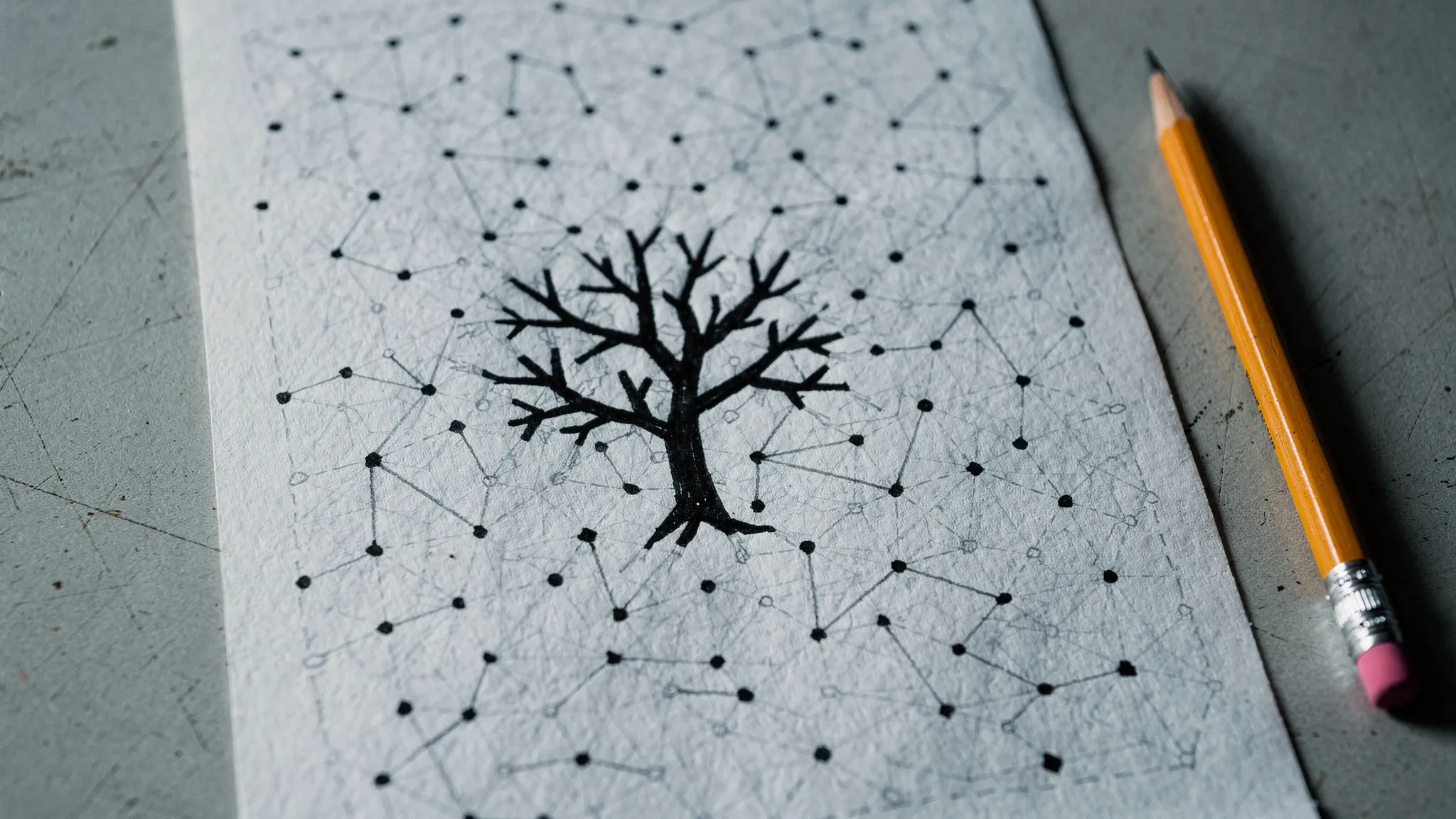
    A hand-drawn network of dots and lines on paper, a bold ink drawing of a branching tree at its centre, a pencil beside it, under soft light.

    Take a network of dots and lines. If each dot has enough links on average, does it contain every possible branching tree of a given size? Erdős and Sós raised this question in the early 1960s.

    In September 2026, a report credited a short proof of the full conjecture to a pre-release AI model, GPT-6 Astra. The proof was also checked by computer in the Lean language.

    Jay Cummings, a mathematician in California, now redraws it for humans. He reveals the network one dot at a time and counts the neighbours that arrive too early. Swapping dots shows the count can never be too large.

    His article is an exposition, not a new proof. It has 32 figures and worked examples. Rival expositions and extensions to other kinds of networks are already appearing.

    Source: The Erdős–Sós Conjecture: A Visual Exposition of the Proof Discovered by GPT-6 Astra, https://arxiv.org/abs/2609.32011

    प्रीप्रिंटसिद्धांतवाचनासाठी ४ मिनिटे
  9. भौतिकशास्त्र

    A DAM BREAKS IN A QUANTUM FLUID

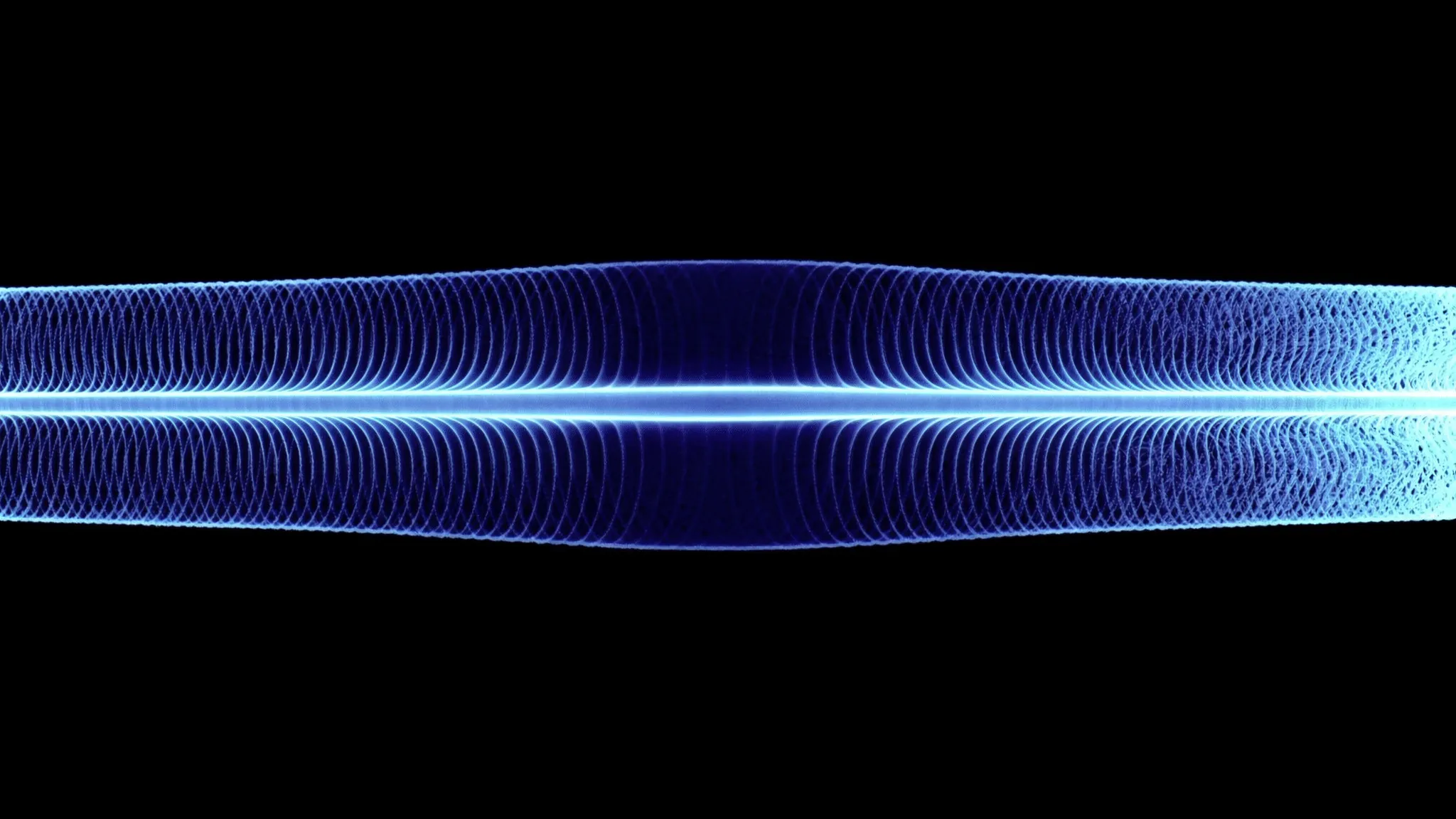
    A thin elongated cloud of ultracold atoms seen from the side, fine regular ripples along its length, brighter toward the right, in deep blue on black.

    Cool atoms to almost absolute zero and they merge into a single quantum wave, a superfluid. Now trap them in a line and add a wall. One side is denser than the other.

    Pull the wall away suddenly. Physicists simulated what happens next. Two trains of ripples rush out in opposite directions, like the tidal bores that run up some rivers.

    Between the two trains lies a calm zone where no sound travels. Its ray pattern matches a double rainbow, dark band included. The ripples grow longer only as time to the power one third.

    With a big enough density difference, the flow outruns the speed of sound. Sound can no longer travel back upstream: an analogue of a black hole's horizon forms. No experiment has seen these ripples yet, but the team suggests tricks to make them visible.

    Source: Quantum undular bores, rainbows, and event horizons in superfluid dam breaks, https://arxiv.org/abs/2609.32232

    प्रीप्रिंटसिद्धांतवाचनासाठी ४ मिनिटे
  10. संगणन आणि एआय

    IS SCIENCE STARTING TO REPEAT ITSELF?

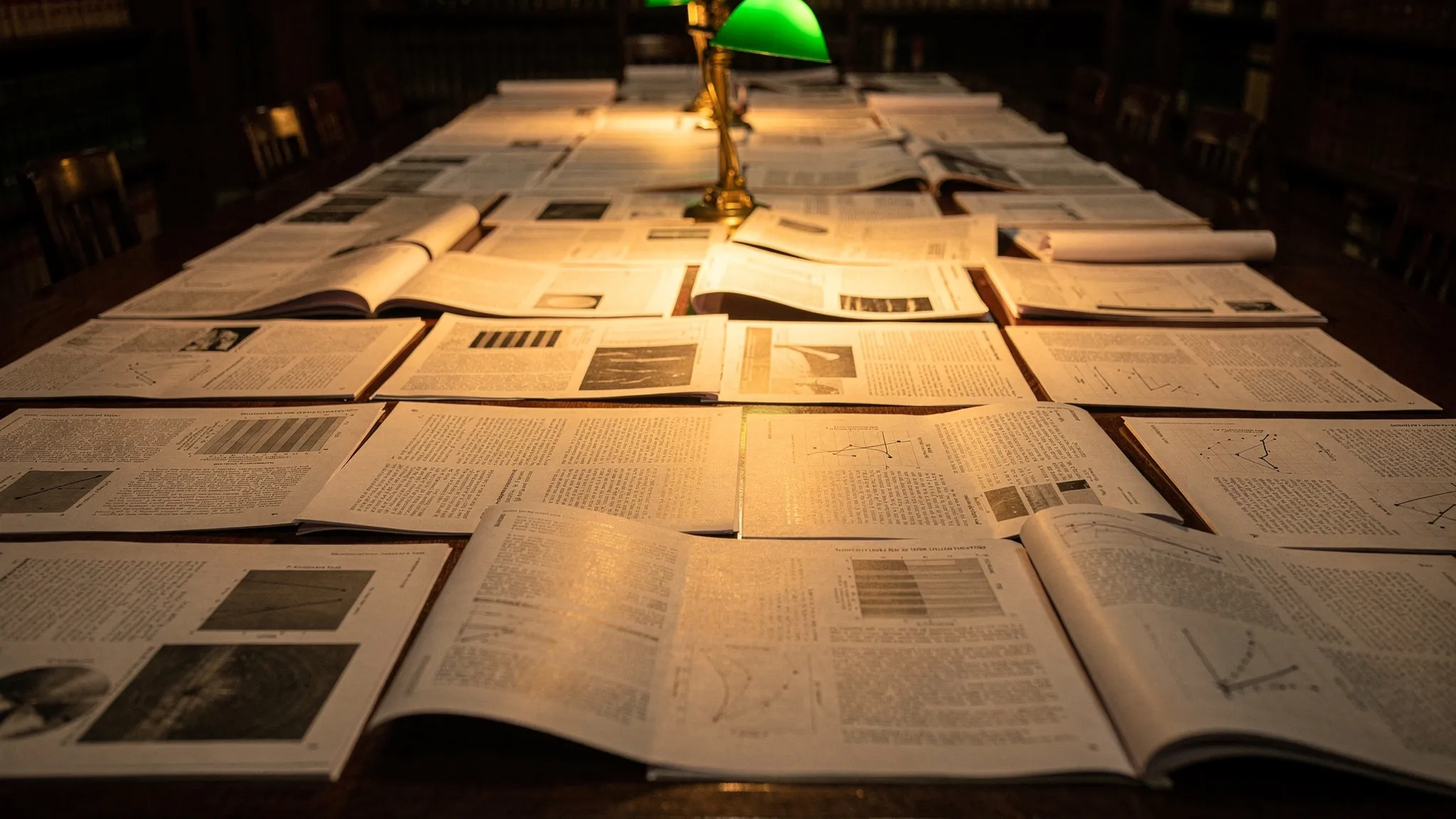
    Many printed scientific articles laid out in rows on a long library table, their pages showing similar layouts of text and graphs, under amber lamp light.

    Science publishes more every year. But are papers still saying something new? Two MIT mathematicians checked one measurable part of originality: how much a paper's text echoes recent work.

    They used language models to compare 26,000 full papers from eight fields with earlier work. Copy-paste was excluded: they looked for passages that say the same thing in different words.

    The share of echoing text was stable until 2020. Then it more than tripled by 2025. A quarter of 2025 papers contain at least one such passage. Fewer than one match in ten is cited.

    The rise coincides with AI writing tools, but the study does not prove they caused it. Similar text is not fraud either. The authors warn against turning originality into a score to game.

    Source: More of the same? Are scientific papers losing originality?, https://arxiv.org/abs/2609.32963

    प्रीप्रिंटडेटा विश्लेषणवाचनासाठी ३ मिनिटे
  11. संगणन आणि एआय

    AN ALGORITHM CHOOSES WHERE REFUGEES START

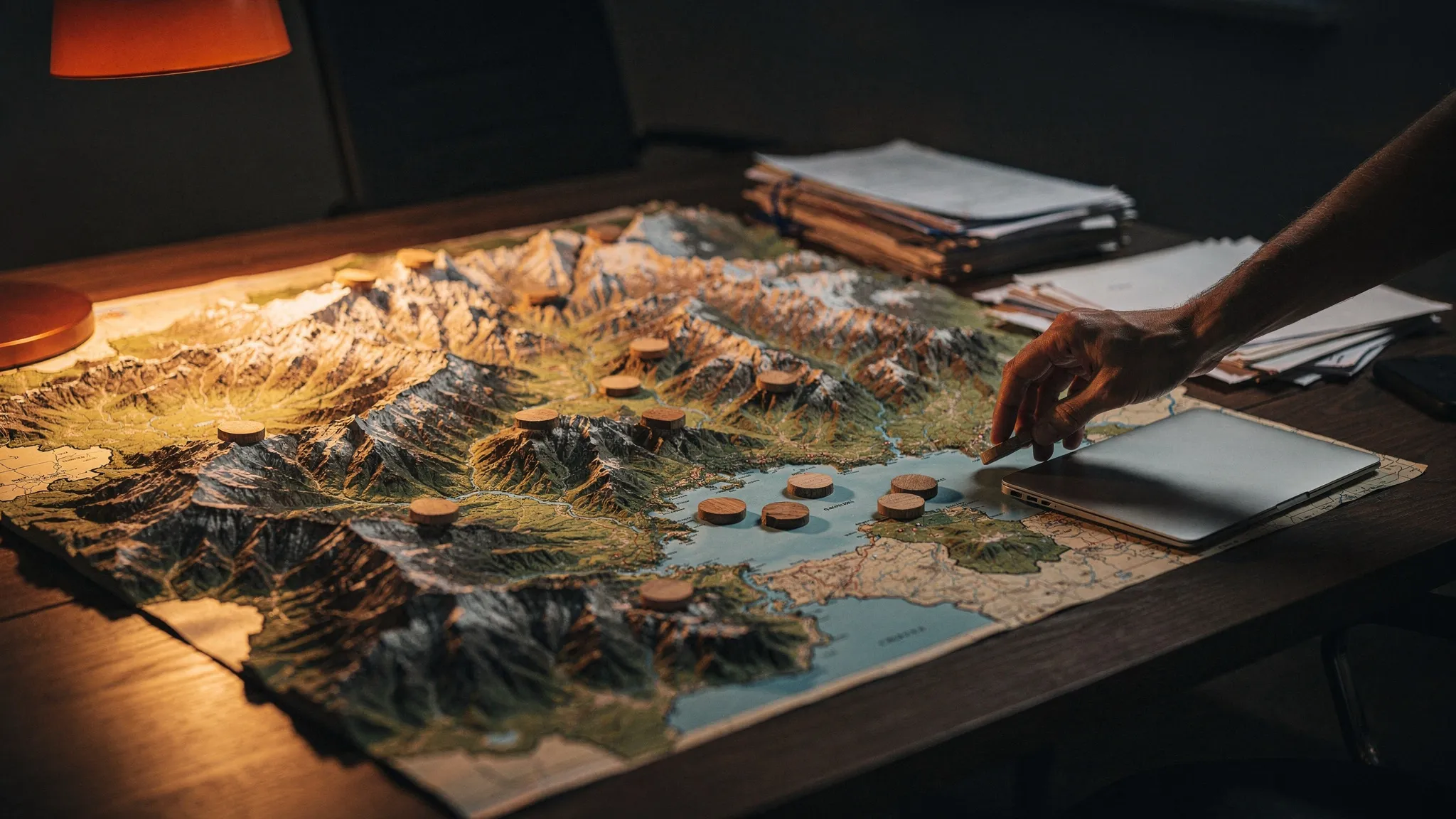
    A relief map of Switzerland on a desk, small markers placed on several cantons, a placement officer's hand beside a laptop, in amber light.

    Where a refugee is first housed shapes their whole future. In Switzerland, officials assign each case to one of 26 cantons, mostly by quota.

    From 2020 to 2023, about 2,000 refugee cases were split by lottery. Half got a canton picked by an algorithm to maximise employment. The other half got the usual random pick. Neither officials nor refugees knew which was which.

    Over three years, the algorithm group worked about 10% more months. After the Covid years, the gain reached about 17%. Jobs also lasted longer.

    Officials kept the final say and followed the advice 97% of the time. The tool costs little: about 50 francs per adult. The authors, who designed it, call their trial a cautious test. It does not replace language courses.

    Source: AI-based matching improves refugee employment in a double-blind randomized trial, https://arxiv.org/abs/2609.35448

    प्रीप्रिंटप्रयोगवाचनासाठी ४ मिनिटे
Legal notice