Edition of November 17, 2026

  1. At The Knowledge Frontier, we pick out the research papers of the day and explain them simply.

    The web has changed in nature. We no longer search, we scroll. Pages look alike, texts are churned out, and we end up reading a great deal without keeping any of it. Educating yourself there has become a strangely passive affair.

    Here, you do more than read. Every article ends with a quiz: a few questions on what you have just read. When the subject lends itself to it, it is an experiment — you set the values yourself and recover, in turn, the researchers' result.

    @VirScience
  2. Computing & AI

    A FOUR-DIGIT WINDOWS PIN, CRACKED IN 40 HOURS

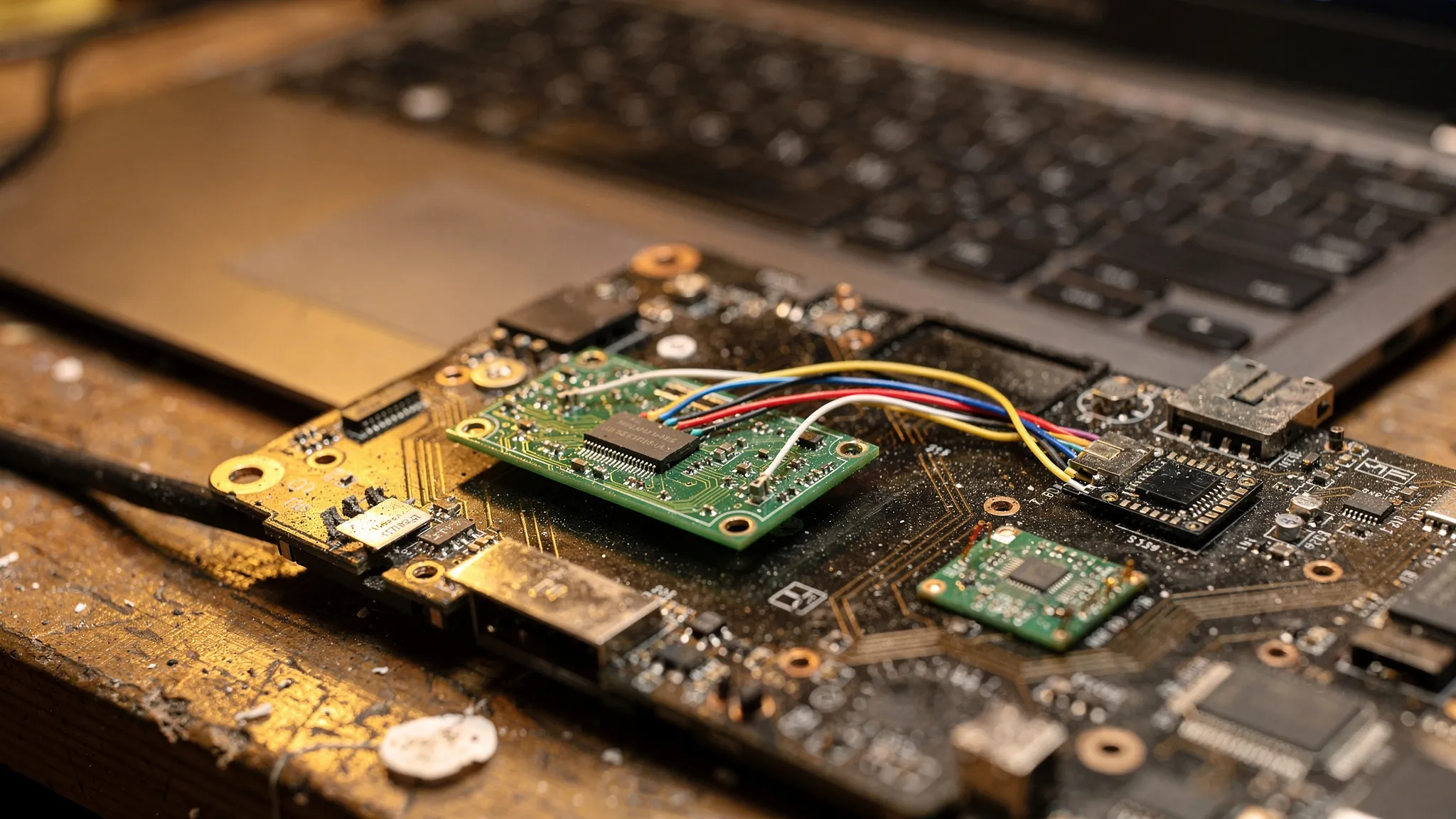
    Opened laptop mainboard on a workbench with a small handmade green circuit board wired in place of a chip, coloured wires running to a microcontroller, in warm light.

    Over a billion Windows 11 computers can be unlocked with a PIN. Windows Hello accepts PINs as short as four digits. A security chip keeps guessing slow: after 32 misses, one try every ten minutes.

    That chip stores its count of failures on a memory chip of the motherboard. A Berlin team slipped a small homemade board between that memory and the processor. At each restart, it quietly puts back the old count.

    On a locked laptop, their setup typed code after code. Worst case for four digits: 40 hours, not 69 days. A six-digit BitLocker disk code falls in 20 days instead of 19 years.

    The attack needs the machine opened on a workbench. Microsoft has promised to recommend six-digit PINs. Two extra digits stretch the worst case to 168 days.

    Source: Hello Again: Exploiting Replay Protected Monotonic Counters to Brute-Force Windows Hello PINs, https://arxiv.org/abs/2611.18126
    Peer-reviewedExperiment🧪 Experiment
  3. Physics

    THE SUN'S CORE, TAKEN AT 15.6 MILLION KELVIN

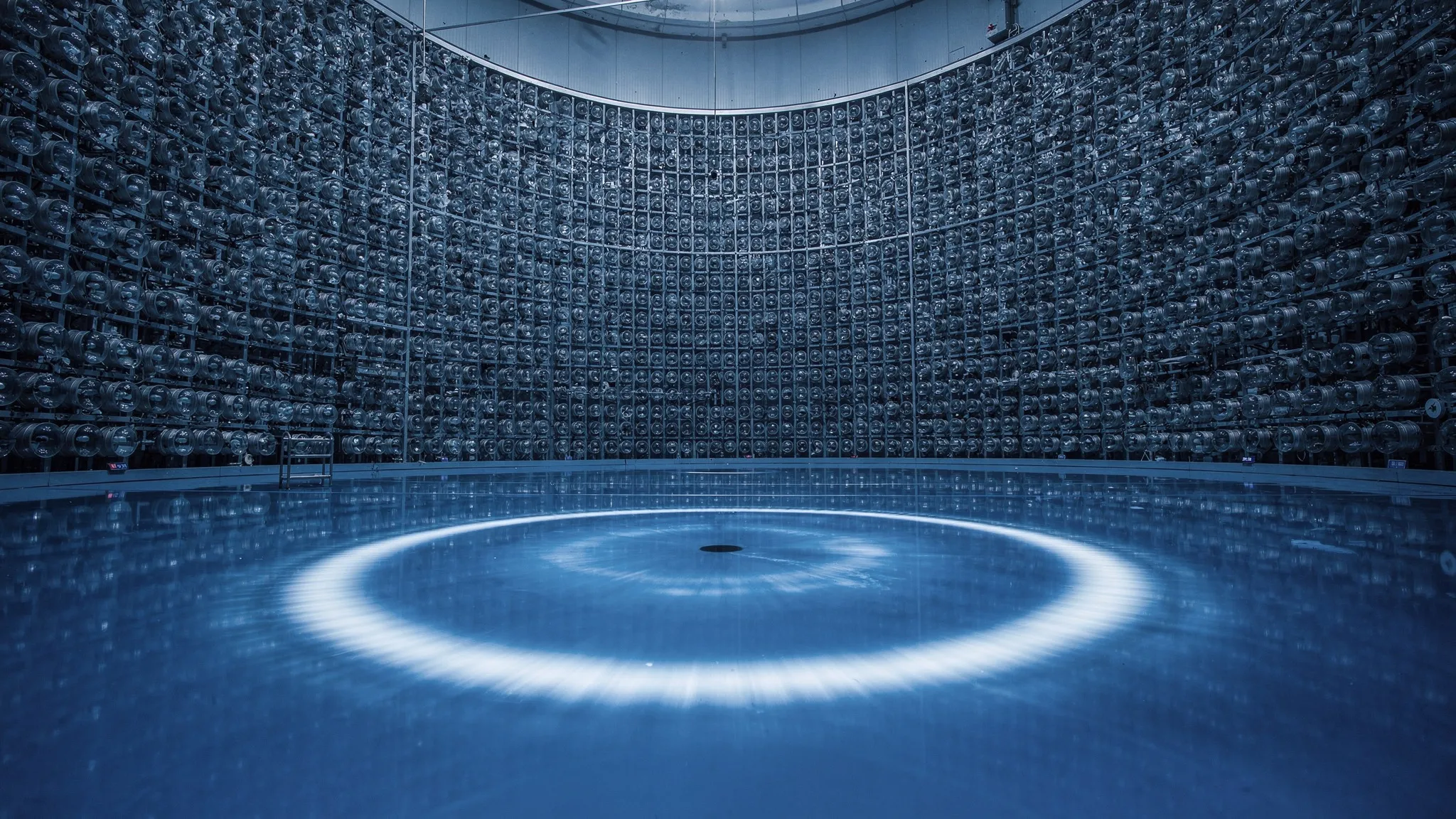
    Interior of a huge cylindrical underground detector, its curved wall covered in thousands of round light sensors, with a bright ring of light on the still water below.

    Deep in the Sun's core, fusion powers our star. It also emits particles called neutrinos. Catching them proves that this fusion is going on right now.

    In Japan, the Super-Kamiokande detector sits 1,000 metres underground. It holds 50,000 tonnes of water. It recorded 5,805 days of neutrinos from boron-8, a by-product of solar fusion.

    Boron-8 forms more readily as the core heats up. So its neutrinos act as a thermometer. Reading: about 15.6 million kelvin at the very centre. That holds in one standard model of the Sun.

    Neutrinos also change type depending on where they are born. That works like a ruler. The core is at most half the Sun's radius. With data from the SNO detector, at most just over a quarter.

    Source: ⁸B Solar Neutrino Measurements of Solar Core Size and Temperature from 5805 Days of Super-Kamiokande, https://arxiv.org/abs/2611.17651

    PreprintData analysis❓ Quiz
  4. Mathematics

    BORSUK'S PUZZLE IN 4D: THE ANSWER IS FIVE OR SIX

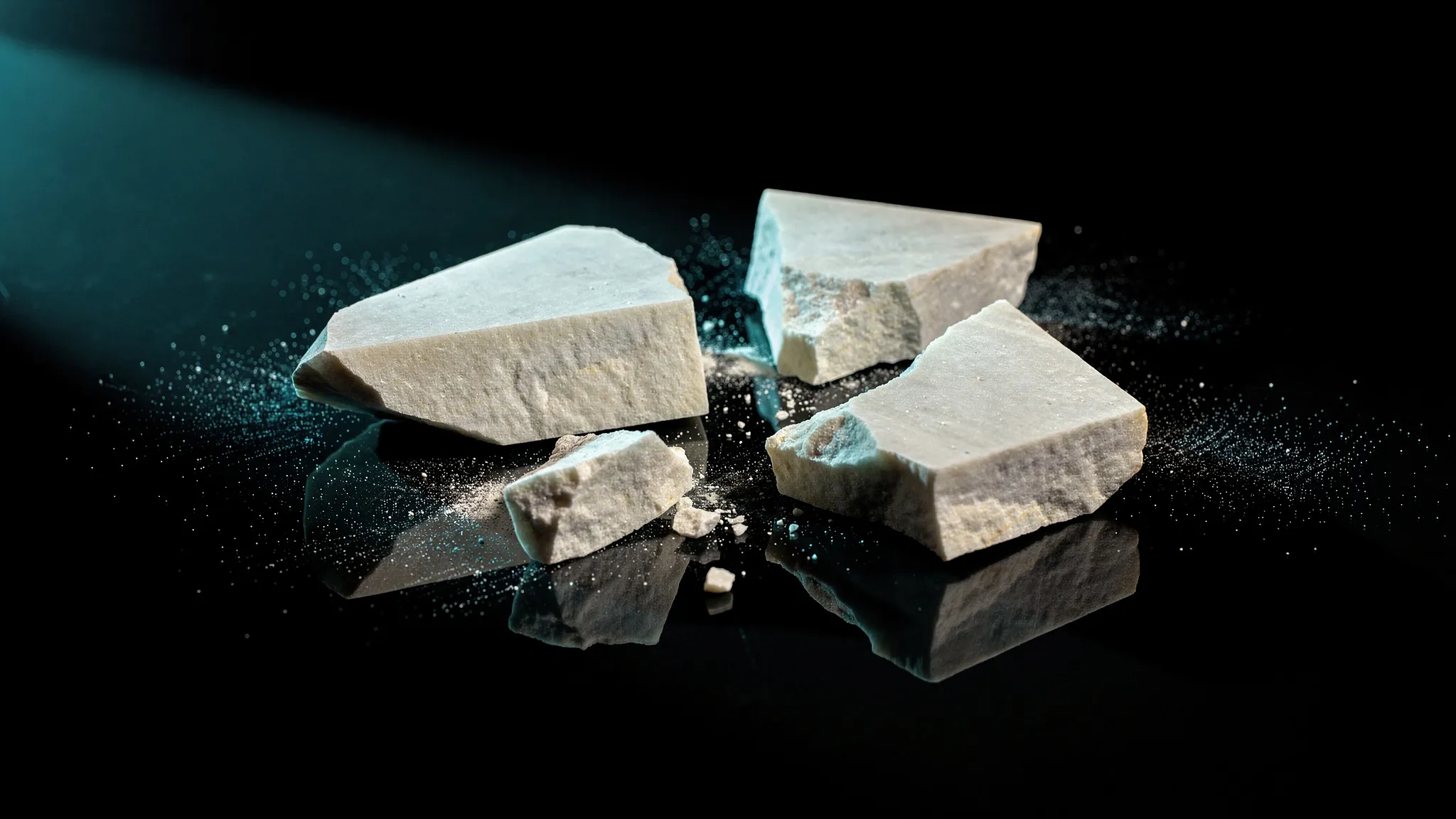
    Pale stone broken into several angular fragments, four large and two small, resting slightly apart on a black reflective surface with fine dust and teal light from the left.

    In 1933, Borsuk asked a simple question. Cut any shape into pieces, each narrower than the whole. Is the number of dimensions plus one always enough?

    In the plane and in space, the answer is settled: three and four pieces. Four dimensions remains the first open case. Its proven bound went from nine to eight in May, then seven in October.

    A mathematician in New Zealand now brings it down to six. For wide shapes, five balls catch everything except one leftover piece. That leftover never holds two points a full width apart.

    The whole proof was checked by Lean, a proof-checking program. The author declares help from OpenAI's Astra. Some shapes need five pieces. So the answer is five or six.

    Source: The four-dimensional Borsuk number is five or six, https://arxiv.org/abs/2611.17375

    PreprintTheory❓ Quiz
  5. Space & astronomy

    MOST PLANETS ORBIT FLAT ON THEIR DUST BELTS

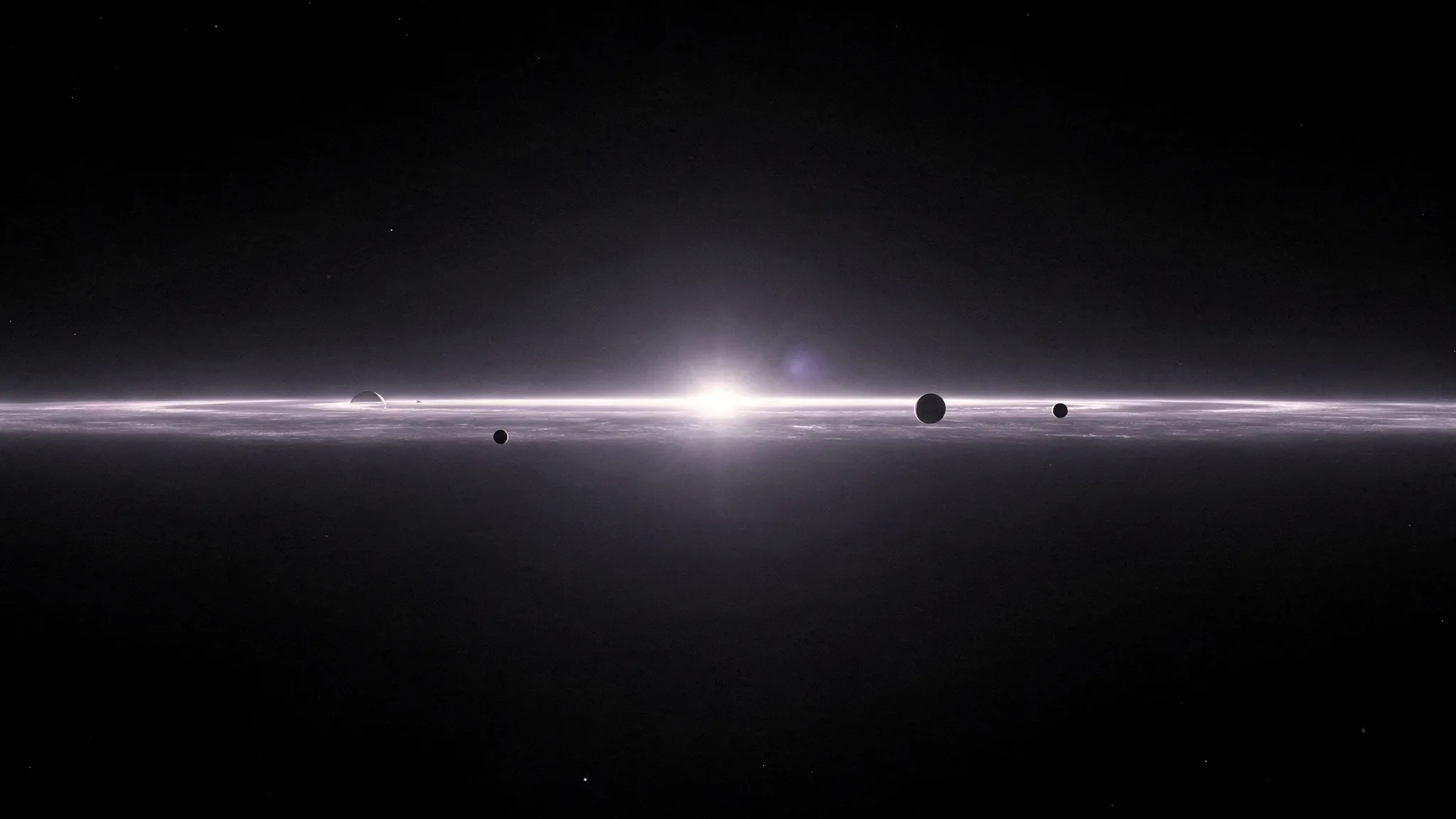
    Thin bright flat ring of dust seen edge-on with the star glowing at its centre and a few small dark planets lying along the ring plane in violet light.

    In our Solar System, the planets and the Kuiper Belt lie in nearly one plane. That belt is a ring of icy bodies beyond Neptune. Is such flatness the rule around other stars too?

    Many stars have their own version: distant belts of dust from colliding debris. A team led from California compared them with 32 planets in 16 systems, ours included.

    Star positions from the Hipparcos and Gaia catalogues reveal the tilt of unseen planets. Result: 30 planets out of 32 lie within 10 degrees of their own belt.

    The two exceptions are tilted by more than 40 degrees. Both orbit some of the oldest stars in the sample. A hint that planets are born flat, and only get knocked askew much later.

    Source: Exoplanets are predominately aligned with exo-Kuiper Belts, https://arxiv.org/abs/2611.17423

    PreprintData analysis❓ Quiz
  6. Earth & climate

    IN ANCIENT COLOMBIA, INVENTION CAME IN CALM TIMES

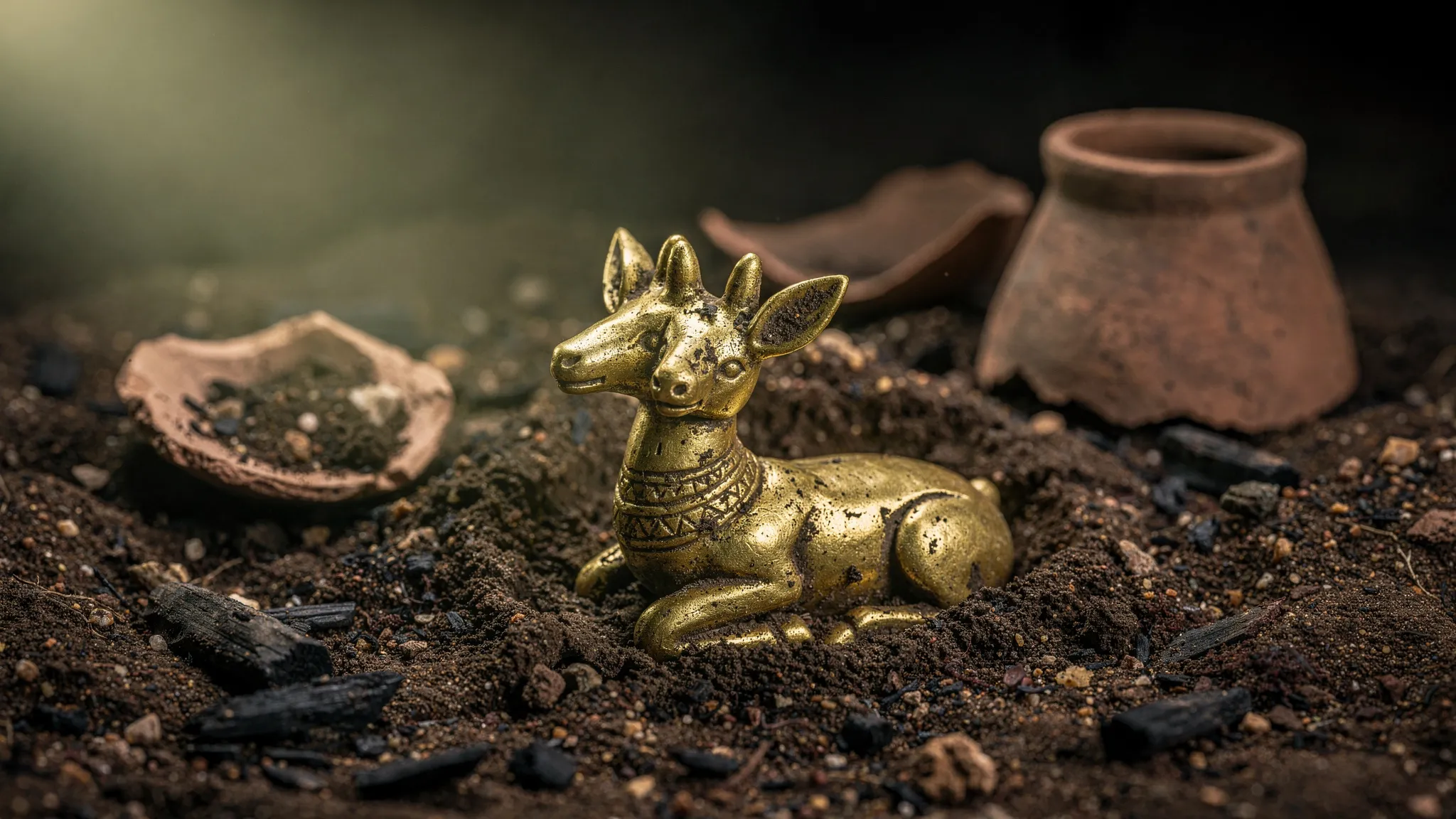
    Small gold figure of a two-headed deer lying in dark excavated soil, beside broken clay pottery and charred wood, in soft olive-green light.

    Do people invent when times get hard? Or when enough of them can share ideas? A team tested both answers on 2,083 radiocarbon dates from ancient Colombia.

    About 3,600 years ago, human activity began to grow some 13 times faster. Right at that turn, two technologies appear together: goldwork and raised farming fields. Pottery and plant care had come much earlier, and spread slowly.

    Lake records from Ecuador show a calm climate then: El Niño kept a steady strength. Later, fewer El Niño events sharply cut human activity. More of them barely raised it.

    These societies may have innovated when they could think together, not when forced to. Climate, the authors say, set the pace of life but did not spark the inventions. It is a correlation, not a proof.

    Source: A Bayesian approach to technological emergence, climate variability, and demographic stability in northern South America, https://arxiv.org/abs/2611.18188

    PreprintData analysis❓ Quiz
  7. Computing & AI

    AI VIDEOS COULD EMIT 75 TIMES MORE BY 2030

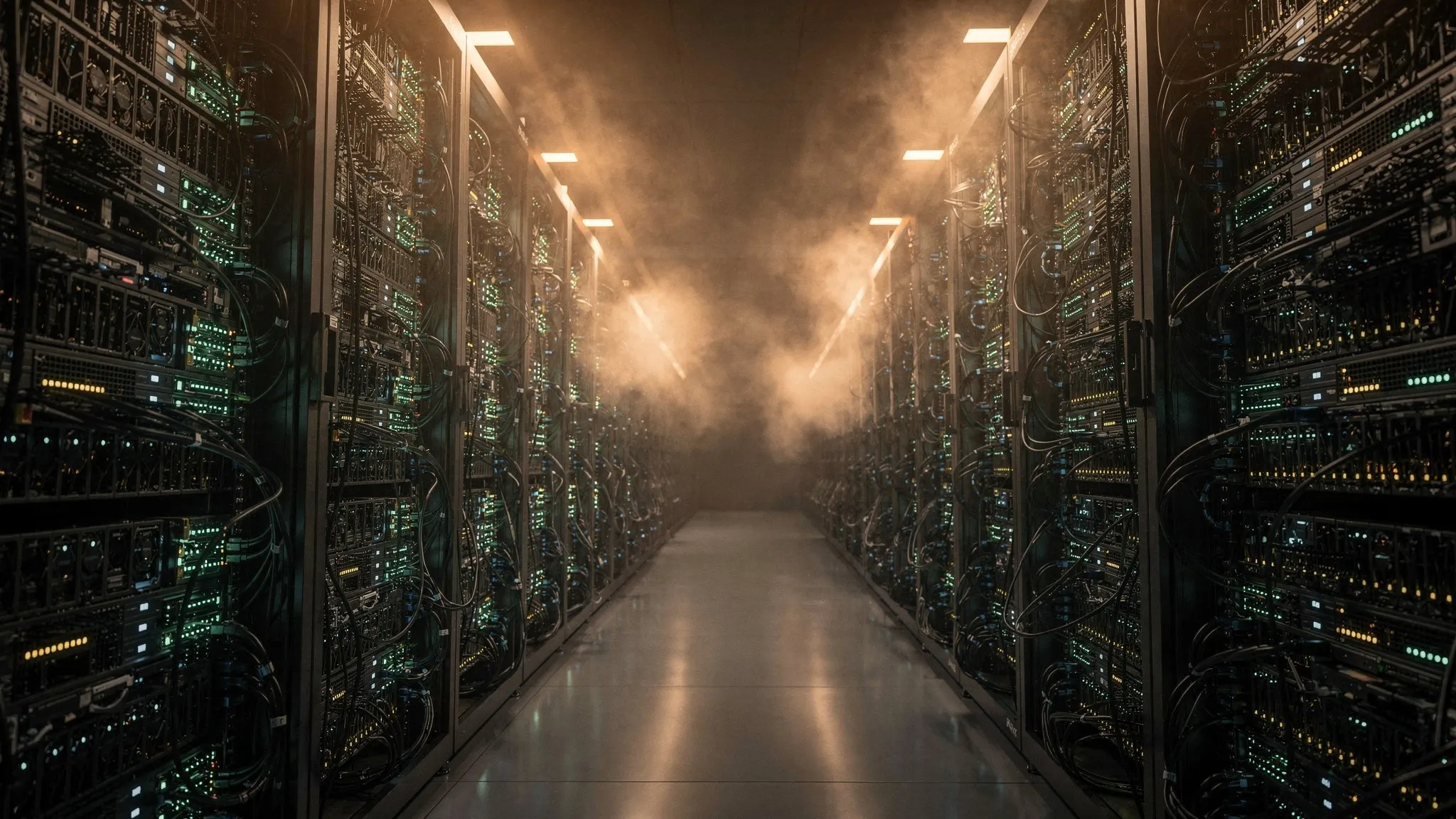
    Long aisle between tall server racks full of blinking status lights, with a warm amber haze drifting above them and the corridor fading into darkness.

    Few companies say how many AI videos they make. So a French team counted. It scraped the public Sora feed for 54 days and watched HeyGen's live counter. As far as the team knows, nobody had added it all up before.

    Add the figures six other providers publish, allow for what nobody reports, and the team's model puts 2026 at about 7 billion videos. The team's model puts the bill at 724 gigawatt-hours of electricity. Emissions: 124,000 tonnes of CO₂ equivalent.

    Suppose demand keeps doubling, and clips get longer and sharper. Then emissions jump about 75-fold by 2030. Better chips and smarter software cannot keep up.

    Even 30% efficiency gains every year leave 2030 emissions 27.5 times above 2026. Only one scenario cuts them: usage frozen at its 2026 level. Then they drop by about two-fifths.

    Source: Measured from the feed: the unsustainable growth of AI video generation, https://arxiv.org/abs/2611.17938

    PreprintSimulation❓ Quiz
  8. Space & astronomy

    THE SOLAR PANCAKE BEHIND THE MAY 2024 STORM

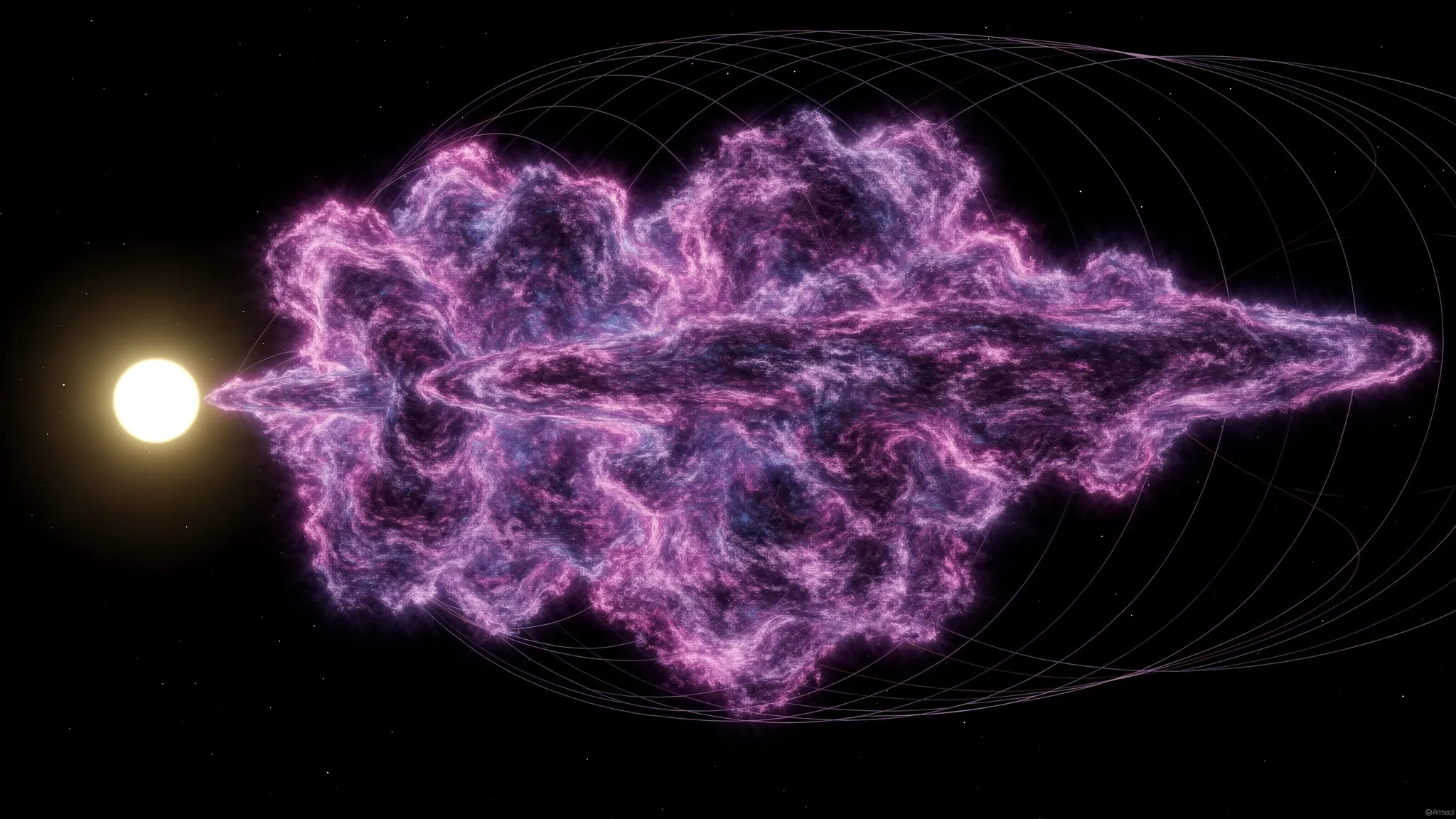
    Glowing white Sun at the left with two clouds of purple and pink plasma streaming away, the front one stretched flat, crossed by faint curved field lines.

    On 8 May 2024, one patch of the Sun hurled several plasma clouds at Earth. Two days later came the strongest geomagnetic storm since 2003.

    The second cloud was faster. It caught up with the first one and pressed on it from behind. A Chinese team rebuilt the chase in a computer, from the Sun to beyond Earth.

    Squeezed, the first cloud flattened into a "pancake" instead of spreading out. Its southward magnetic field stayed strong. Near Earth it reached about 60 nanoteslas, twice the value for a lone cloud.

    That southward field drives severe space weather. Such storms can disrupt power grids, navigation and communications. Squeezing happens whenever one cloud catches another. It gives forecasters a physical clue for the next big storms.

    Source: Squeezing Drives Southward Magnetic Field Enhancement During 10 May 2024 CME-CME Interaction, https://arxiv.org/abs/2611.17807

    PreprintSimulation❓ Quiz
  9. Physics

    FOUR MAGNETS, ONE PHONE, THREE LAWS OF NATURE

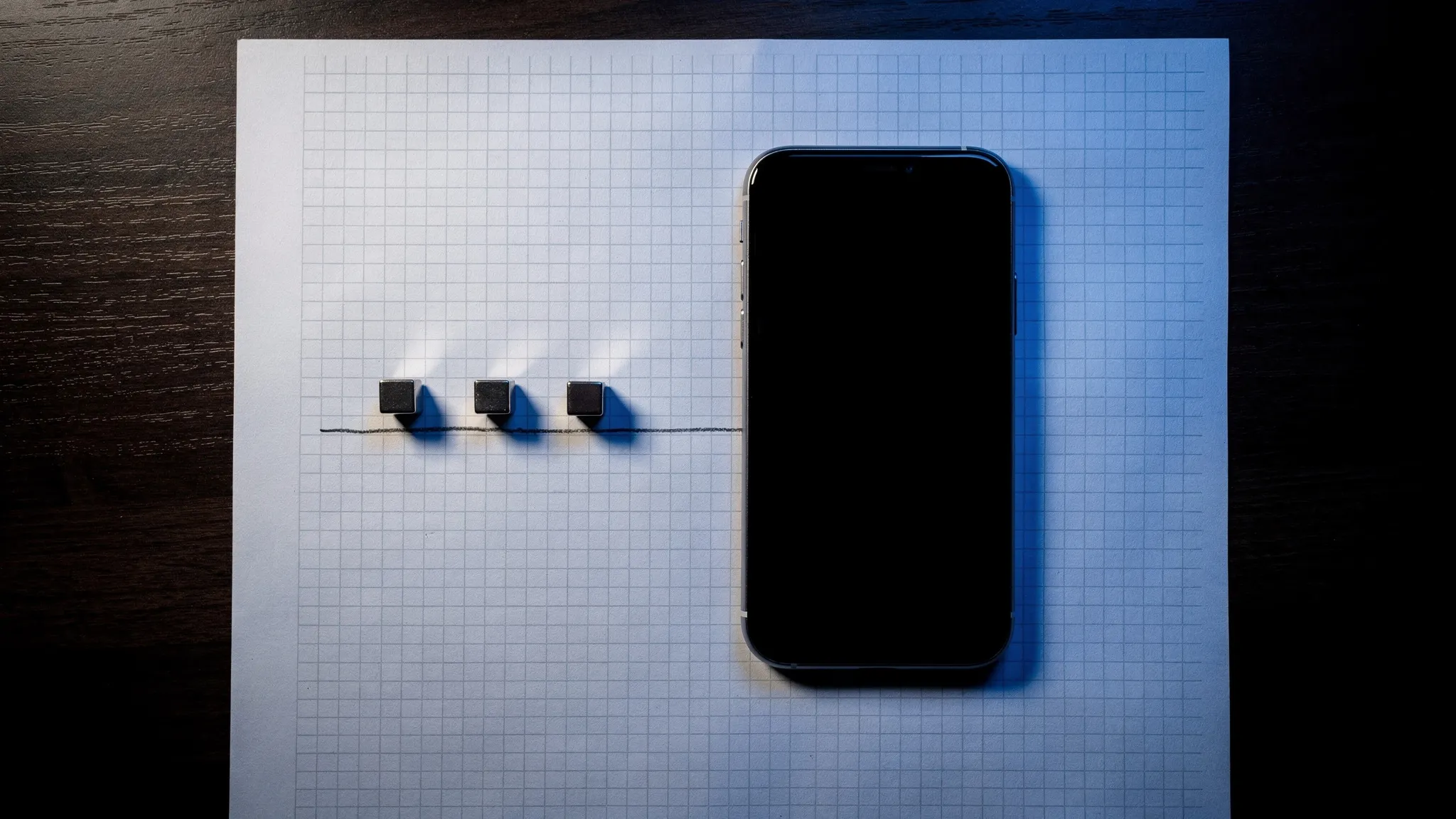
    Top-down view of a dark-screened smartphone on graph paper, with three small cube magnets in a row along a pencil line to its left, in cobalt blue light.

    Move away from a magnet, and its field drops fast. Double the distance, and it gets eight times weaker. That is the classic law of a dipole.

    Now pair magnets so that their poles oppose. Their dipoles cancel, and what remains fades even faster. First comes the quadrupole, then the octupole, each one a power of distance steeper.

    Physicists in Uruguay and Spain measured all three. Their kit: four cube magnets and a sheet of graph paper. Their instrument: the magnetometer hidden in a smartphone.

    Measured exponents: close to 3, 4 and 5, as theory predicts. First-year students can do it in a three-hour lab. One trap awaits them. Four magnets alternating plus, minus, plus, minus still fade only as the fourth power.

    Source: Experimental characterization of magnetic multipole fields up to octupole order using smartphone magnetometry, https://arxiv.org/abs/2611.18131

    PreprintExperiment🧪 Experiment
  10. Life sciences

    SQUEEZED BACTERIA SLOW DOWN, THEN ADAPT

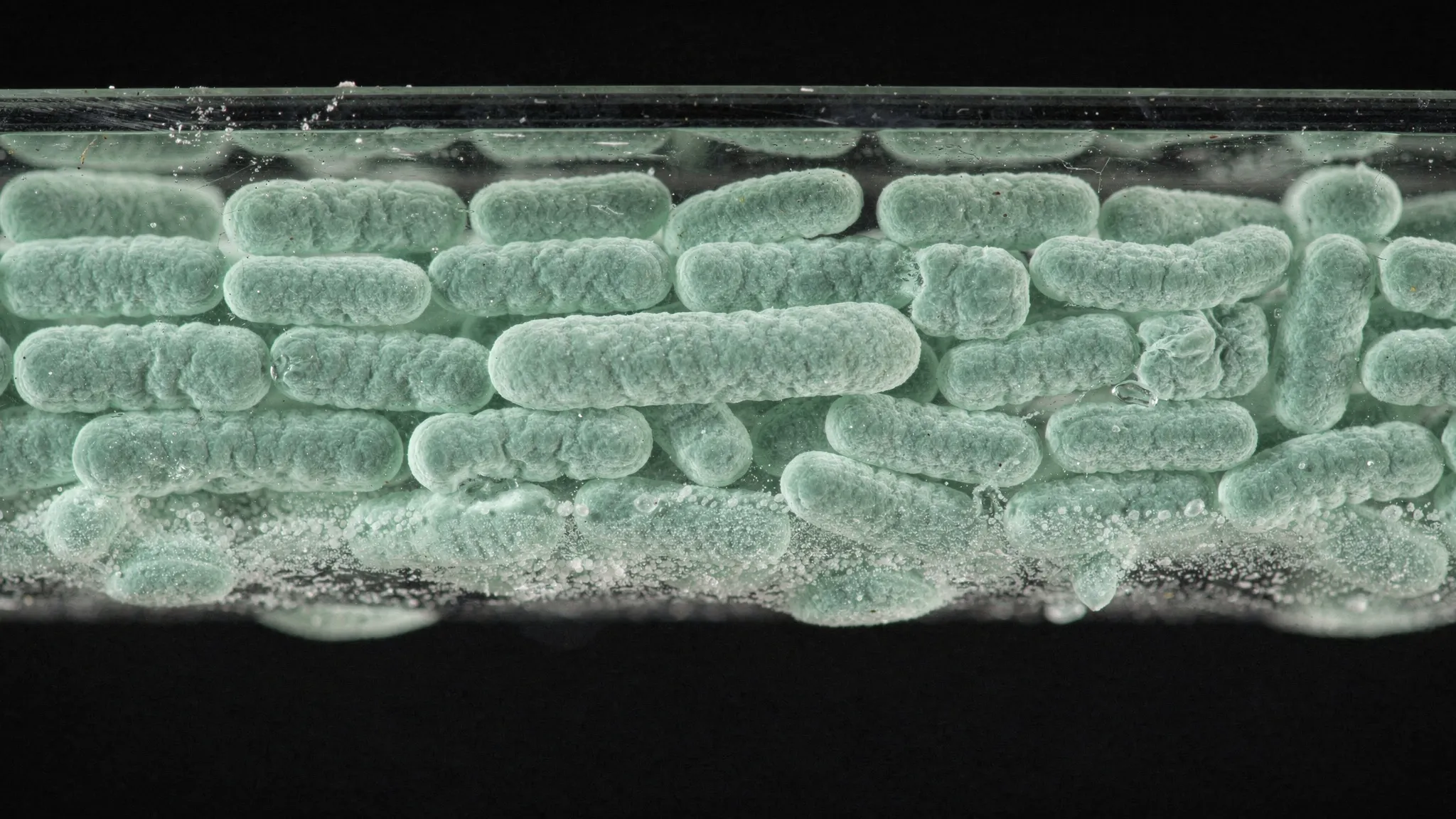
    Side view of rod-shaped green bacteria packed in a flat layer between glass and gel, with one cell much longer than its neighbours, on a black background.

    Bacteria often live squeezed: in soil, in mucus, in sediments. But what happens at the very moment they get squeezed? A team in Luxembourg and Germany filmed E. coli, cell by cell, to find out.

    Pressed under a stiff gel, the cells at once grew about 2.5 times slower. Then they recovered over several generations. Even sticking to glass slowed them down.

    Normally, a bacterium adds a roughly fixed length before splitting in two. Under the gels, the first divisions looked instead like a timer at work. The usual rule came back after one or two generations.

    Through it all, newborn cells kept about the same size. And the division rule recovered before growth did. Growth and size control run on two separate clocks.

    Source: Mechanical acclimation of bacterial growth and division across generations, https://arxiv.org/abs/2611.18273

    PreprintExperiment❓ Quiz
Legal notice