To make small stars like the Sun, gas must cool down. Carbon and oxygen do that job. But right after the Big Bang, there were almost none.
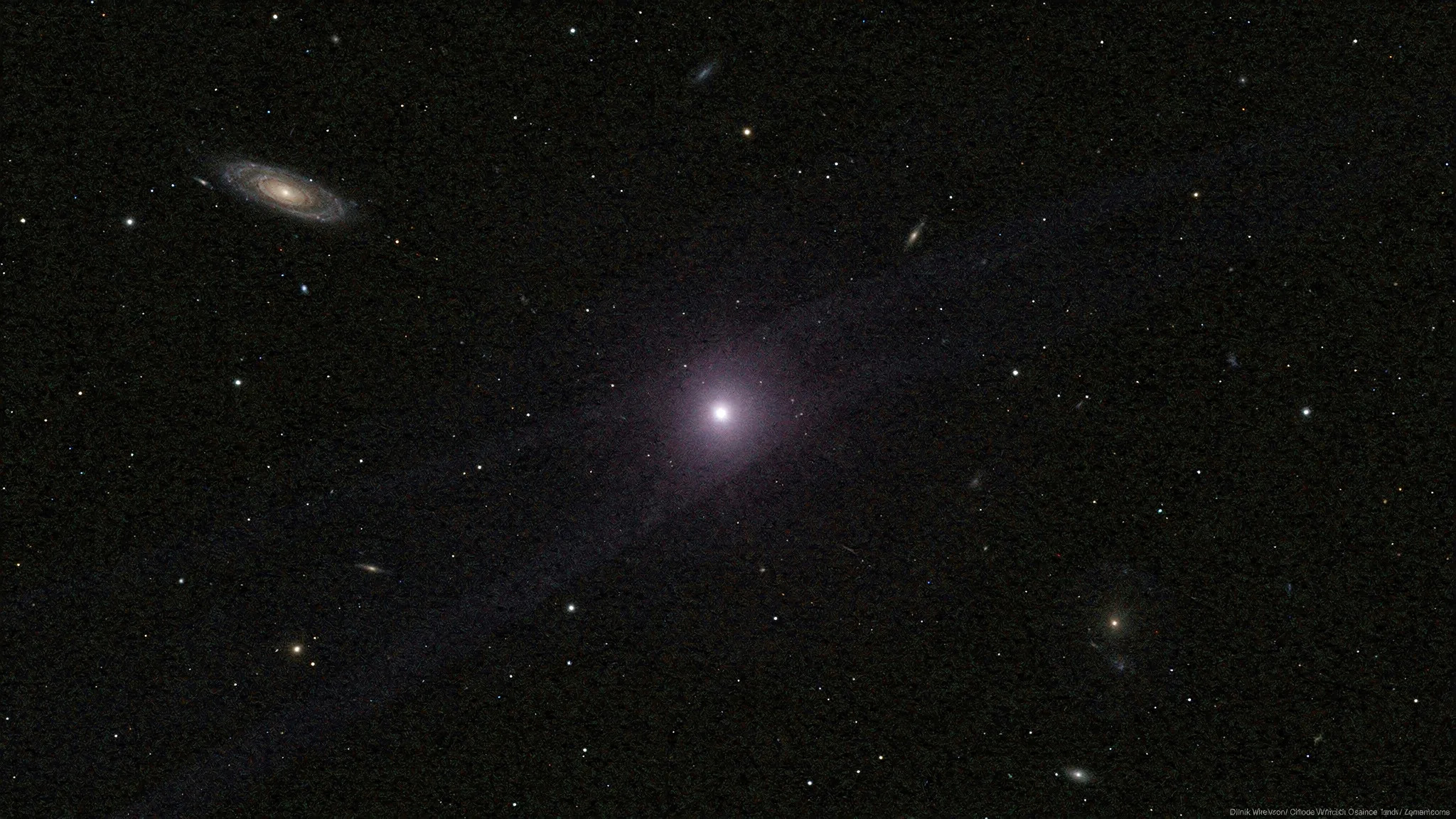
A team pointed the GHOST spectrograph at a distant quasar. Its light crossed a gas cloud 1.1 billion years after the Big Bang. The cloud left its fingerprints in the light.
The verdict: 11,000 times less carbon than the Sun. That is four times more pristine than any such cloud ever found. Too little carbon and oxygen to efficiently form stars of one solar mass or less.
So this galaxy could only make heavy stars. Its gas shows what the earliest massive stars left behind when they exploded. And the team found it among just 30 quasars. How many more are out there?
Source: Nearly pristine gas in a galaxy 1 billion years after the Big Bang, https://arxiv.org/abs/2610.16509