Edition of October 15, 2026

  1. At The Knowledge Frontier, we pick out the research papers of the day and explain them simply.

    The web has changed in nature. We no longer search, we scroll. Pages look alike, texts are churned out, and we end up reading a great deal without keeping any of it. Educating yourself there has become a strangely passive affair.

    Here, you do more than read. Every article ends with a quiz: a few questions on what you have just read. When the subject lends itself to it, it is an experiment — you set the values yourself and recover, in turn, the researchers' result.

    @VirScience
  2. Medicine & health

    MUONS SEE INSIDE A CHEST FOR THE FIRST TIME

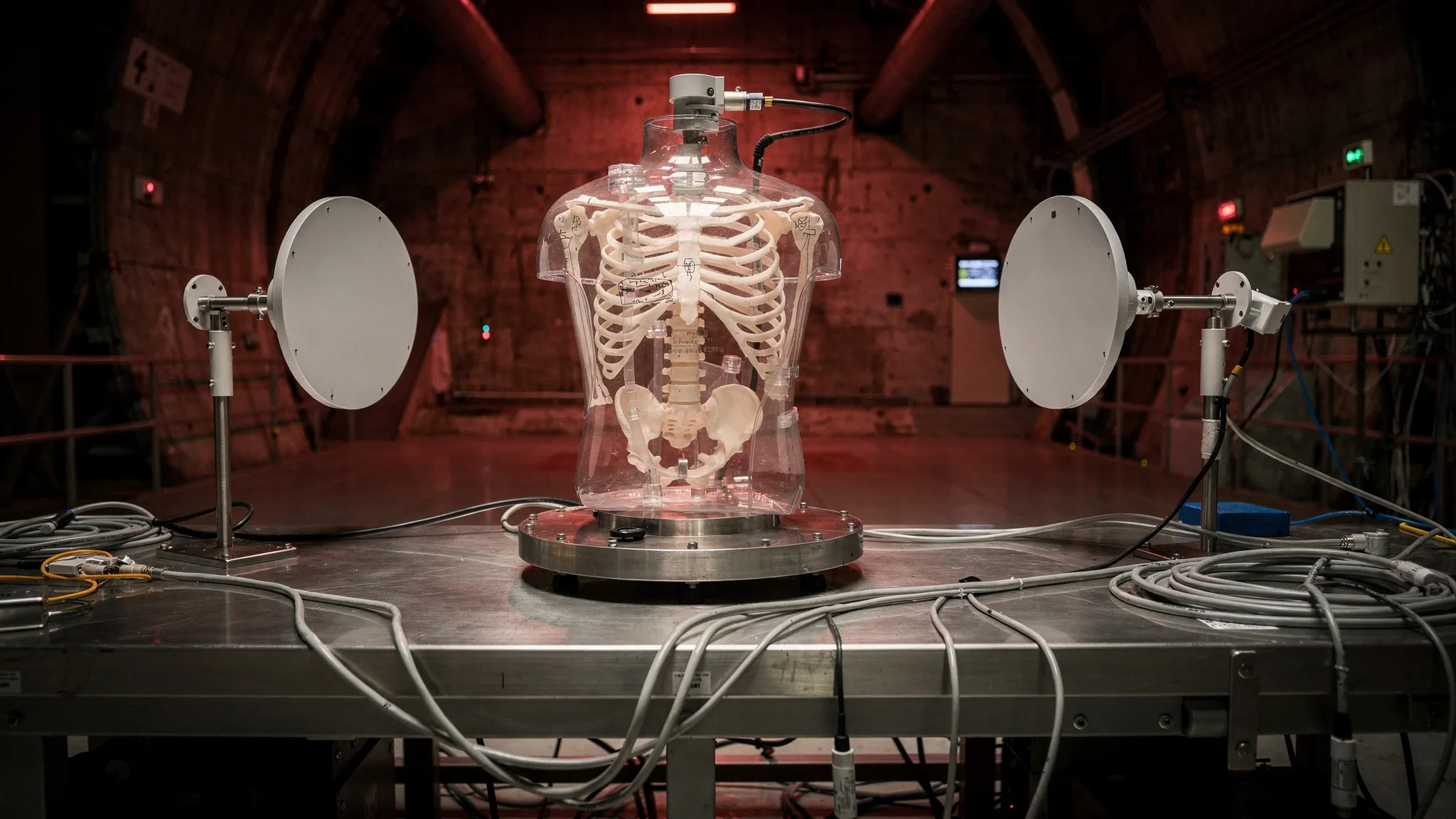
    A transparent plastic torso containing a pale skeleton stands on a turntable between two round flat detectors, on a metal bench covered with cables, in a red-lit concrete hall.

    Muons, heavy cousins of the electron, cross huge thicknesses of matter. They have imaged volcanoes and found a hidden void in the Great Pyramid. But soft tissue barely deflects them.

    At CERN, a team sent a muon beam through a medical dummy chest with plastic bones and lungs. Detectors measured how each of 293,035 muons was nudged, from seven angles. An AI trained on simulations cleaned up the image.

    In the heart region, the measured tissue density matched the simulation within 1%. Ribs and spine appeared near their true place. Small air bubbles in the heart wall stayed invisible.

    The local dose: about 2 microgray, far below a chest X-ray, though the two numbers are not directly comparable. The team now looks to compact, laser-driven muon sources.

    Source: Experimental Demonstration of Soft-Tissue Muon Scattering Tomography, https://arxiv.org/abs/2610.16647
    PreprintExperiment
  3. Space & astronomy

    THE BLACK HOLE THAT SWALLOWS ITS OWN LIGHT

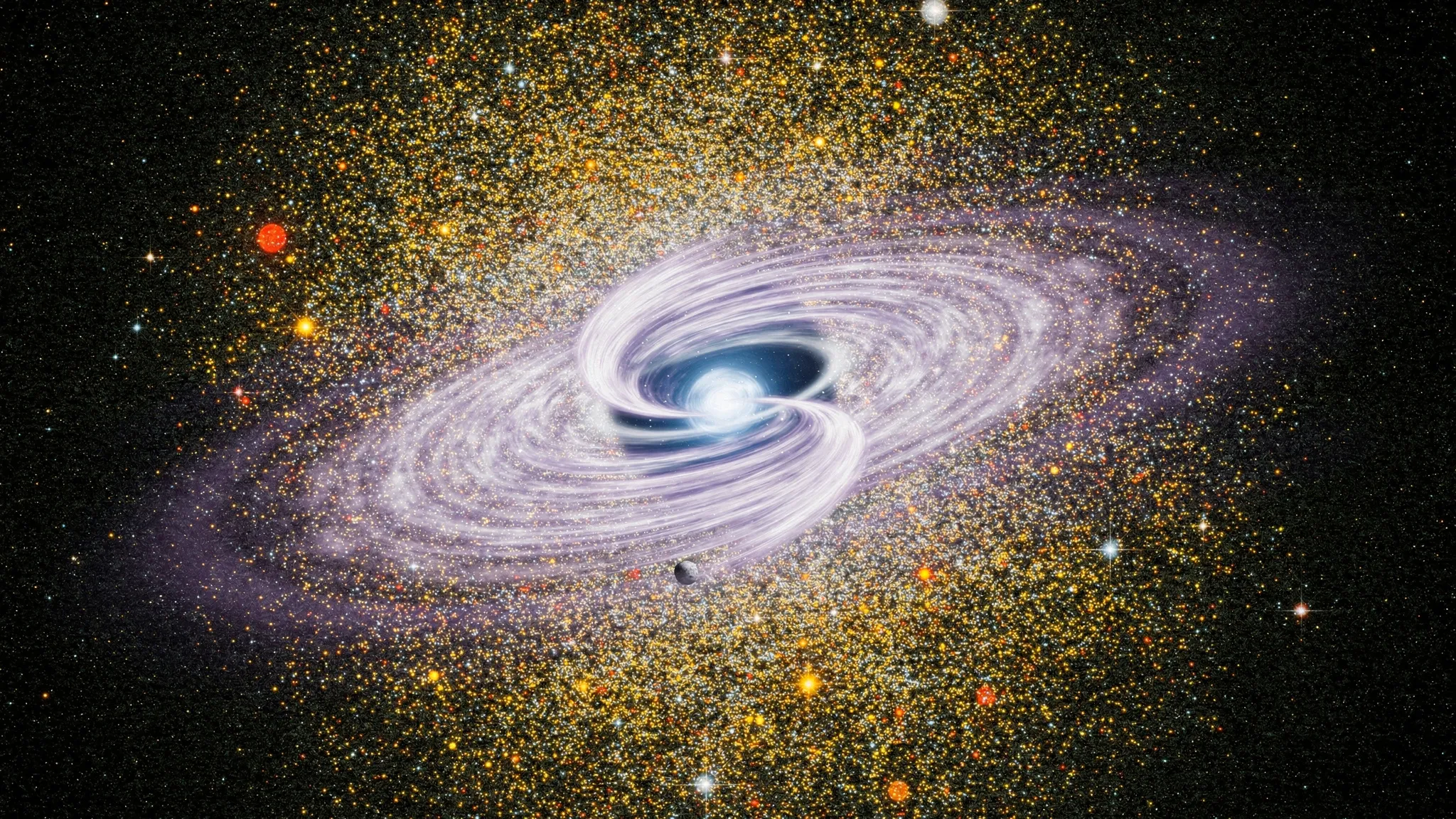
    Artist's view of a bright white point at the centre of a swirling violet disc of gas, set inside a dense field of golden stars.

    An event horizon lets nothing out, not even light. So how do you prove it exists around a black hole only tens of kilometres wide?

    Chinese astronomers picked five extreme pairs in star clusters. A tiny white dwarf orbits a dead star in under 40 minutes. In such tight orbits, gravitational waves set how fast matter flows. So the feeding rate can be calculated.

    Four of the dead stars are neutron stars. One is a black hole. Fed at a similar rate to one of its rivals, the black hole system shines a thousand times less.

    A neutron star has a hard surface: falling matter crashes and glows. A black hole has none: the energy vanishes behind its horizon. Indirect evidence, from a single black hole so far.

    Source: Observational evidence of black hole event horizon from ultra-compact X-ray binaries, https://arxiv.org/abs/2610.17618

    PreprintData analysis
  4. Life sciences

    THE FIRST LOOK AT A SINGLE ANT PHEROMONE DROP

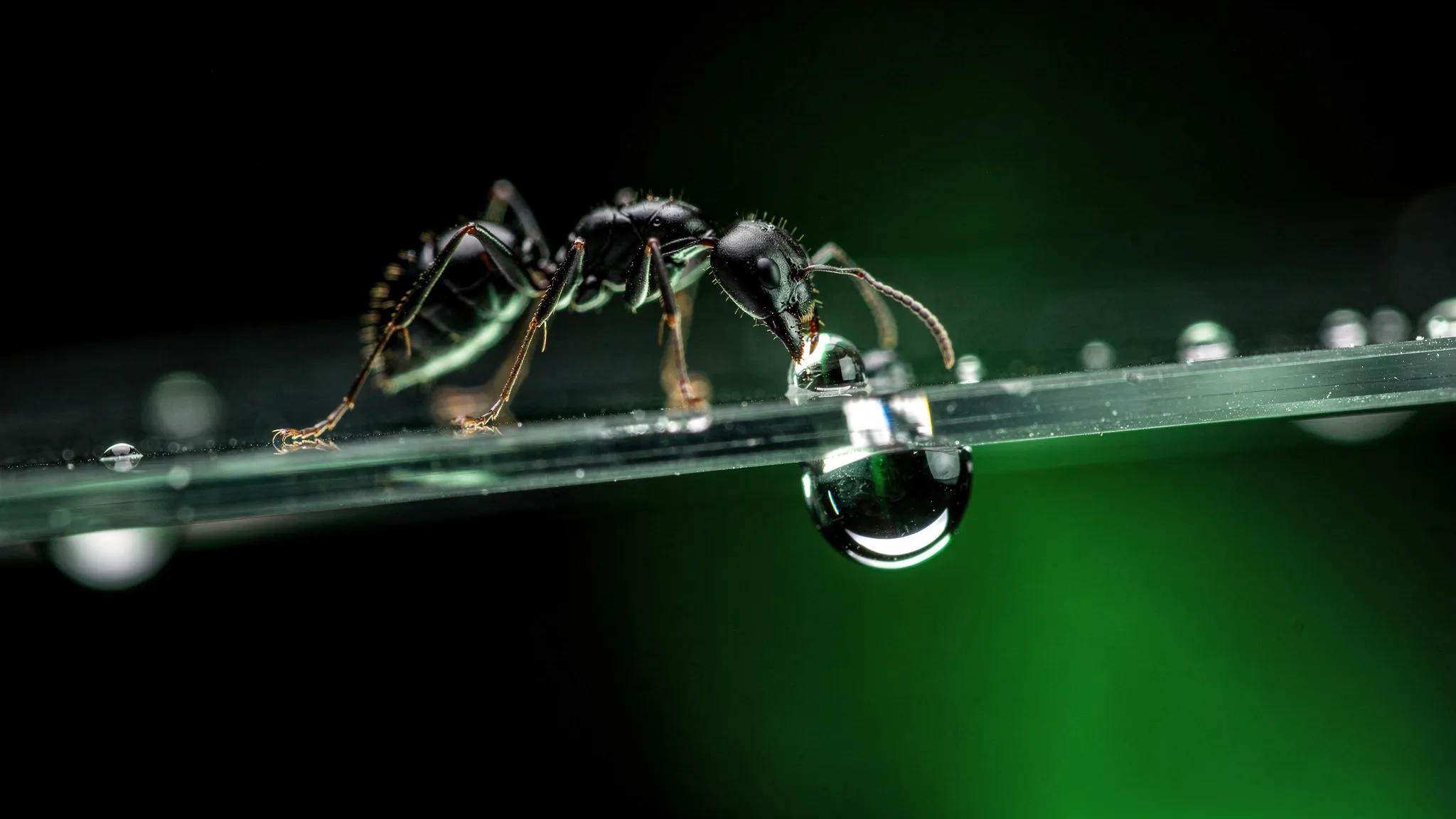
    Macro photograph of a black ant walking on a thin glass strip dotted with clear droplets, one large drop hanging below the glass, against a dark green background.

    Ants lay scent trails to lead their sisters to food. These trails even inspired computer algorithms. Yet no one had ever seen a single drop of trail pheromone.

    A team in Limoges let *Lasius niger* ants walk on a glass bridge. A special microscope measured how each transparent drop delays light, giving its thickness to the nanometre.

    A typical drop holds less than a trillionth of a litre. Most of it evaporates within seconds. A solid remains and slowly loses about 10% in an hour. A residue was still there the next day.

    Surprise: drops vary more than 20-fold in volume, and 90% of that spread comes from differences between ants. Some workers may be trail specialists.

    Source: Imaging the building blocks of ant pheromone communication, https://arxiv.org/abs/2610.18079

    PreprintExperiment
  5. Space & astronomy

    ELEVEN COSMIC MIRAGES WEIGH IN ON THE HUBBLE TENSION

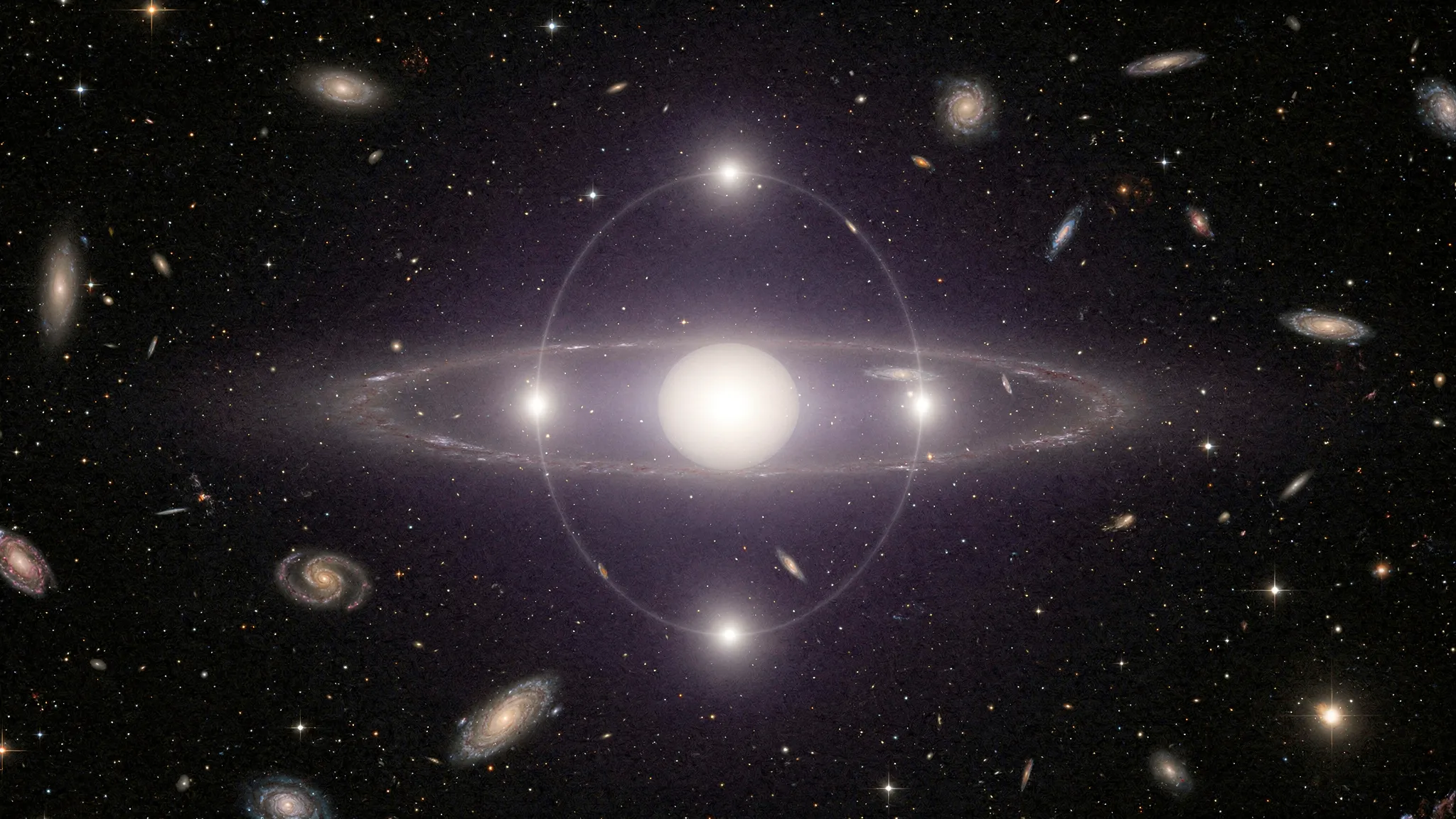
    A bright round galaxy at the centre surrounded by four bright points in a cross linked by a faint ring of light, with many small spiral galaxies on a dark violet sky.

    Massive galaxies bend the light of distant quasars into several images. When the quasar flickers, each image flickers at a different moment. Those delays measure the Universe's expansion rate.

    The TDCOSMO team used eleven such mirages, with new data from the James Webb telescope. The stars' motions in each lensing galaxy pinned down its mass.

    Result: 71.1 kilometres per second per megaparsec, with 3.3% uncertainty. The value stayed hidden from the team until its review was over. It sits close to nearby-galaxy measurements, 1.6 sigma above the early-Universe prediction.

    Combined with other surveys, the data also lean slightly away from a constant dark energy, at 2.3 to 2.5 sigma. That is still far from a discovery.

    Source: TDCOSMO 2026: A 3% measurement of the Hubble constant from strong lensing and stellar kinematics, https://arxiv.org/abs/2610.14781

    PreprintData analysis
  6. Space & astronomy

    A ONE-SHOT PLAN TO WARM MARS LEAVES IT COLDER

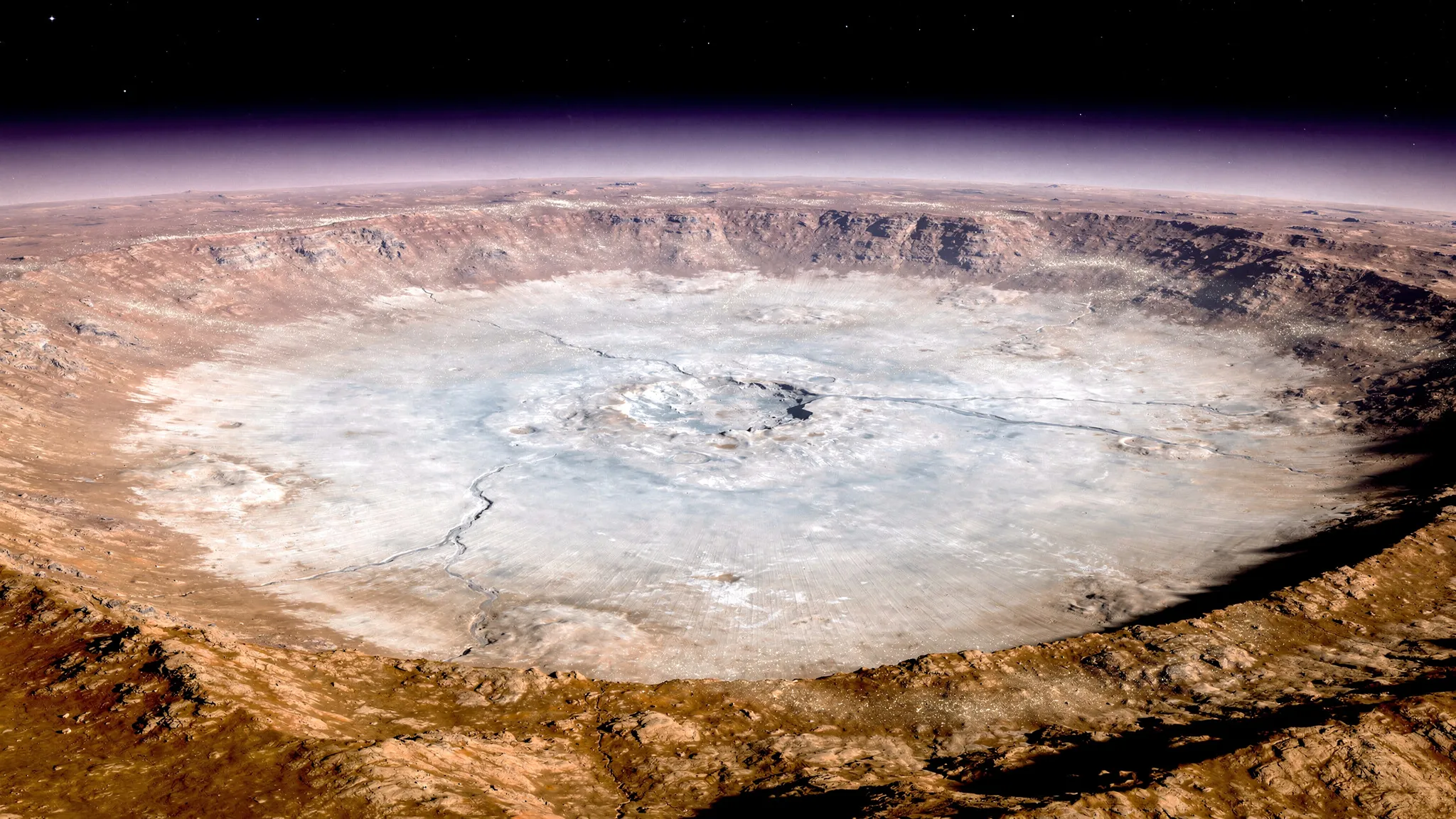
    A huge crater on Mars seen from above, its floor covered by a pale sheet of ice, rusty rims and a thin violet haze along the horizon.

    Could tiny metal rods make Mars livable? Some studies propose aluminium nanoparticles that trap heat, sprayed continuously into the air. Two Munich physicists tested a cheaper idea: a single injection.

    In a 3D climate model, they replaced all Martian dust with these particles once. They also placed a thick sheet of water ice in the Hellas basin. Then they ran a full Martian year, 669 days.

    Surprise: the planet cooled. Average surface temperature fell by 3.1 degrees. Water vapour dropped by 99.65%, and 12% of the atmosphere froze onto the ground.

    The particles slowly fell out of the sky, and the bright ice reflected sunlight. The authors call the effect a passing pulse. Warming Mars would take far more than one dose.

    Source: 3D Global Climate Simulations of Synthetic Mars Warming: Assessing the Feasibility Limits of Terraforming, https://arxiv.org/abs/2610.18114

    PreprintSimulation
  7. Chemistry

    SODIUM AND HYDROGEN, A SUPERCONDUCTOR ON PAPER

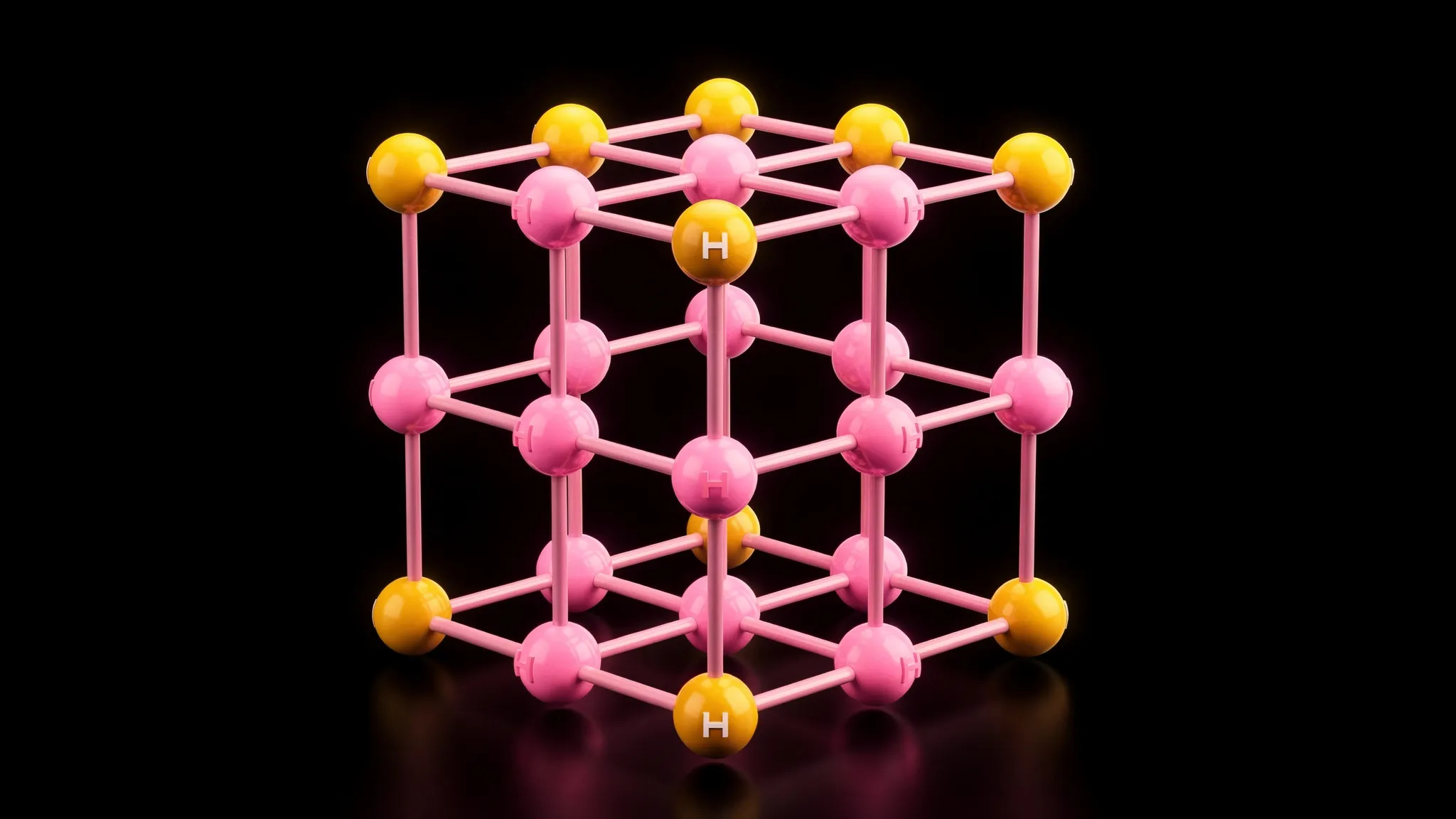
    Three-dimensional model of a cubic lattice of pink and yellow balls joined by pink sticks on a black background, some yellow balls marked with the letter H.

    Superconductors carry current with zero resistance, but only when cold enough. The best hydrogen-rich ones work above 200 kelvin. The catch: they need around a million atmospheres.

    Two US physicists studied a compound of sodium and hydrogen, NaH6, entirely by computer. No sample was made, nothing was measured. Their calculations predict 230 kelvin at half that pressure, about -43 °C.

    Twist: its hydrogen atoms stay paired, like in hydrogen gas. Such pairs were thought to kill superconductivity. In one of its forms, pressure tilts the pairs, and the critical temperature rises along with the tilt.

    Caution: at that pressure, the 230-kelvin form is not the most stable one. The stable form reaches 99 kelvin. Only an experiment can now settle it.

    Source: H2-Like Units and Pressure-Tunable High-Tc Superconductivity in NaH6, https://arxiv.org/abs/2610.17148

    PreprintSimulation
  8. Earth & climate

    AFTER THE HURRICANE, THE ROAD BACK IN TAKES LONGEST

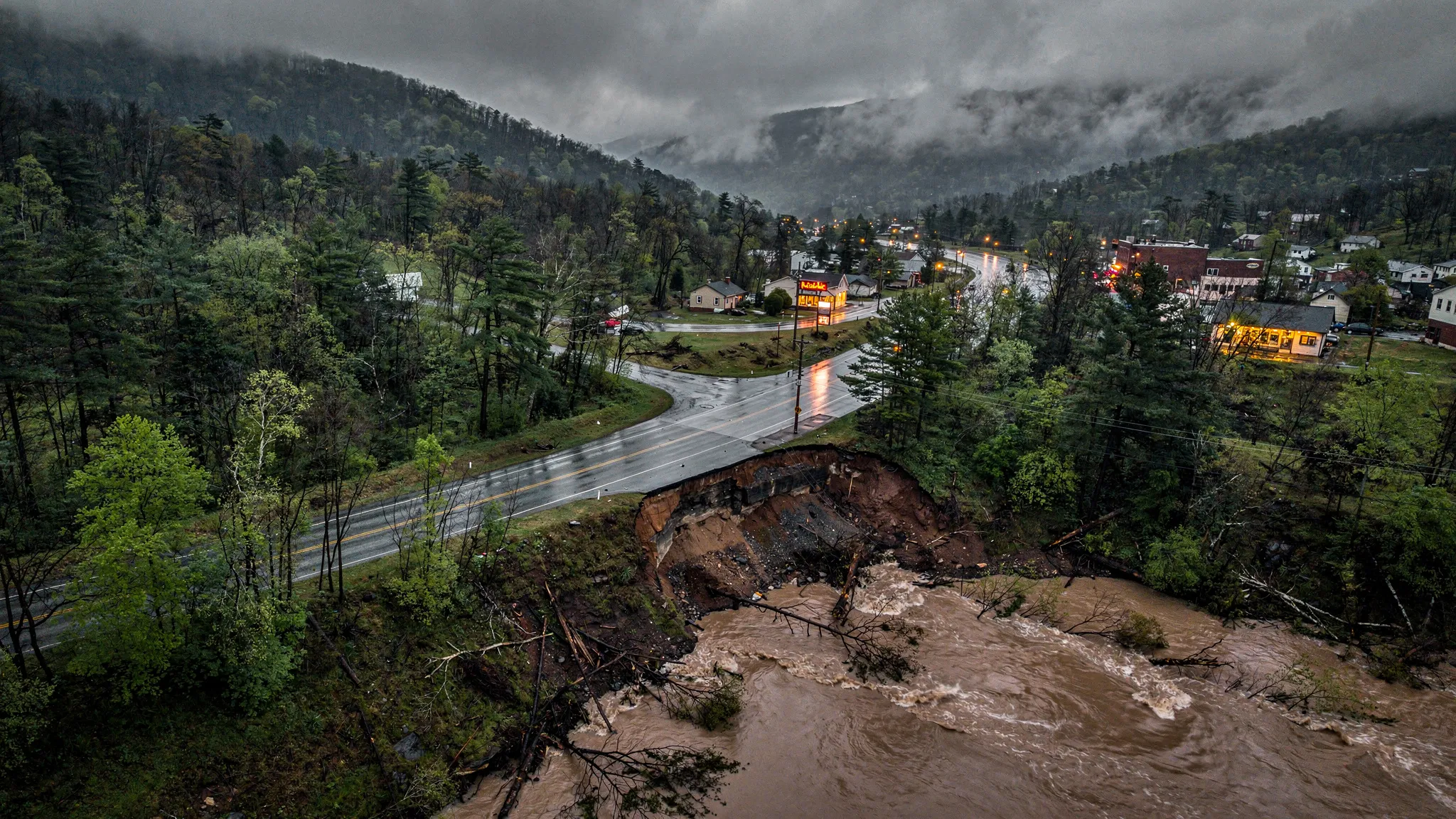
    Aerial photograph of a wet mountain road partly washed away by a muddy, swollen river, a small town with lit windows in the forested valley beyond, under low grey clouds.

    In autumn 2024, two hurricanes struck the US Southeast 13 days apart. Helene flooded rural, inland areas. Milton hit Florida's coastal cities. A natural experiment.

    Researchers tracked visits recorded by mobile devices across 521 counties, home to 42.9 million people. They split movement into local trips, arrivals from outside and departures.

    Milton caused deeper drops, up to 60%. Yet local life restarted in about 4.5 days after both storms. The real gap was elsewhere: arrivals from outside took 11 days to recover after Helene, 5 after Milton.

    The lesson: a town can look busy again while still cut off from the wider region. Its transport links and access to services may need a check. The authors suggest tracking returning visitors to spot isolated rural communities.

    Source: Hurricane recovery gaps lie in reconnection, not local restart, https://arxiv.org/abs/2610.17550

    PreprintData analysis
  9. Physics

    THE LIGHT THAT KEEPS A NUCLEAR CLOCK TICKING

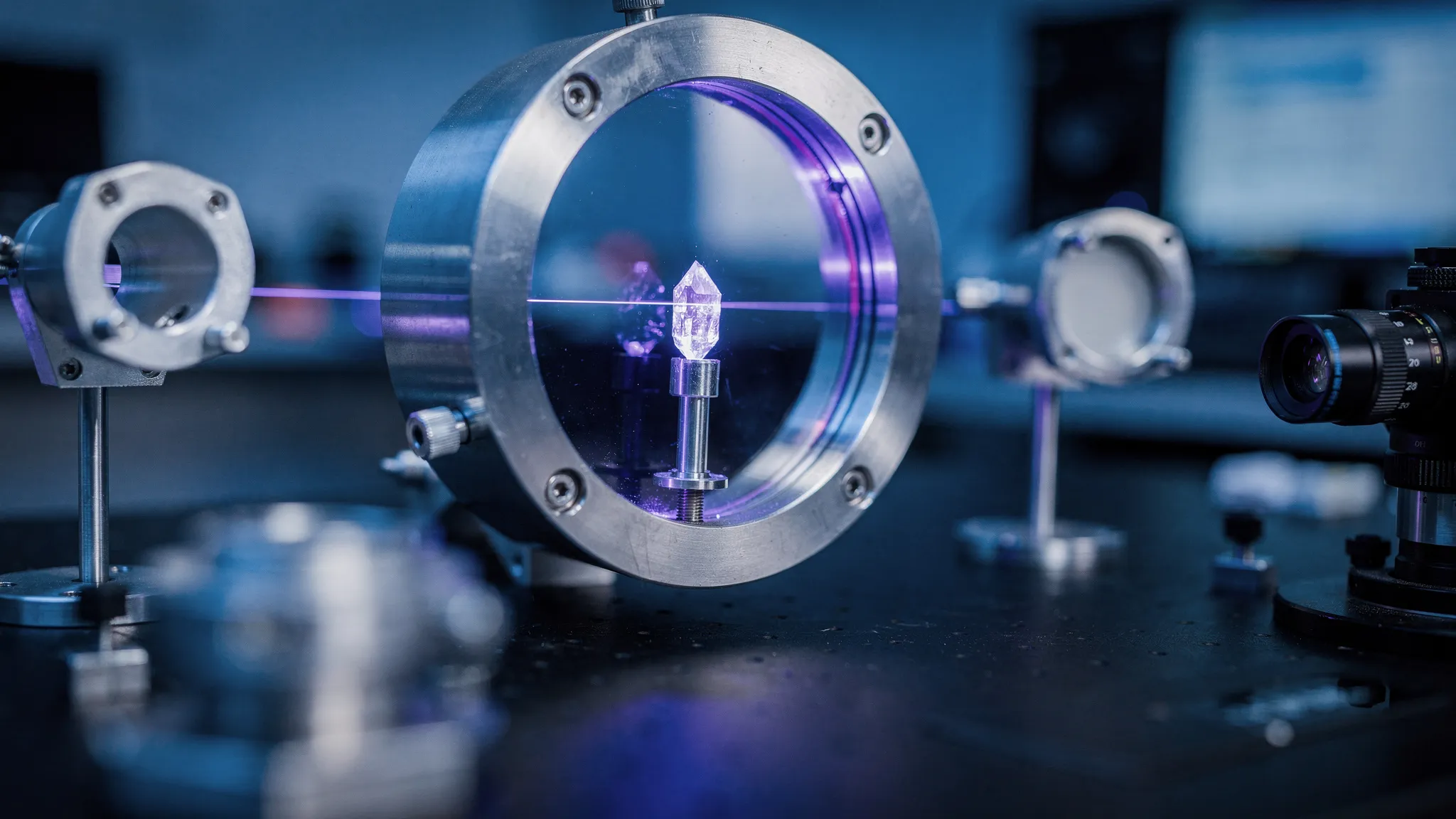
    A small clear crystal on a metal post inside a round steel chamber with a window, crossed by a thin violet laser beam, among optics on a dark lab table in blue light.

    The nucleus of thorium-229 can switch states with a tiny dose of energy. That makes it a candidate for a clock based on an atomic nucleus. But it only responds to light at 148.4 nanometres, deep in the ultraviolet.

    A team in China halved the wavelength of an infrared laser three times. The last step uses a strontium borate crystal, in a box filled with pure nitrogen, because oxygen absorbs this light.

    Result: about 8.1 nanowatts, a faint but clean beam. It ran for 33.3 hours, and a simple trick filtered out its slow drifts.

    Conflict of interest: some authors work for, or own, Shanghai Precilasers, a laser company. The authors also note their higher power does not prove a more efficient crystal.

    Source: Continuous-wave 148.4-nm generation in strontium tetraborate for nuclear absorption spectroscopy, https://arxiv.org/abs/2610.18470

    PreprintExperiment
  10. Computing & AI

    A HUMANOID ROBOT LEARNS WHERE TO AIM

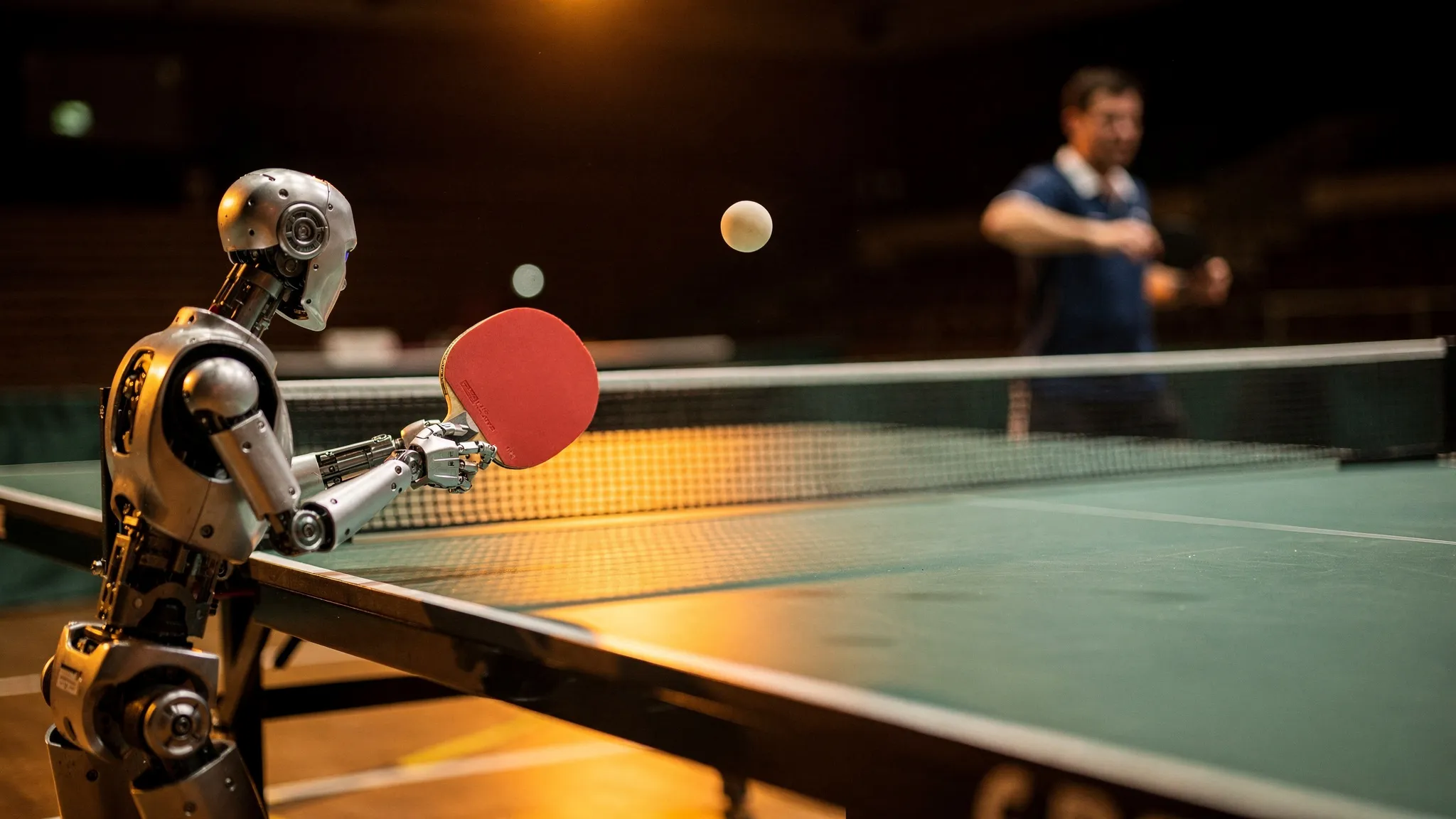
    A silver humanoid robot holding a red paddle at a table-tennis table, a white ball in the air above the net, a human player blurred on the far side, in warm amber light.

    Hitting a ping-pong ball back is one skill. Choosing where to send it is another. A Chinese team taught both to a humanoid robot, but separately.

    First, the robot learned to land the ball on any spot asked of it. In simulation, 94% of its legal returns landed within 30 centimetres of the target. Then its body was frozen.

    A second AI learned only where to aim, by playing against copies of itself. With identical strokes, it won 89% of points against a player always aiming at the centre. It learned to aim away from its opponent.

    On a real robot, it beat a recreational human player in three games to 11: 11-4, 11-6 and 11-9. The ball model still ignores spin.

    Source: From Hitter to Player: Separating Motor Execution and Strategy in Competitive Humanoid Table Tennis, https://arxiv.org/abs/2610.14067

    PreprintExperiment
Legal notice