Edition of October 16, 2026

  1. At The Knowledge Frontier, we pick out the research papers of the day and explain them simply.

    The web has changed in nature. We no longer search, we scroll. Pages look alike, texts are churned out, and we end up reading a great deal without keeping any of it. Educating yourself there has become a strangely passive affair.

    Here, you do more than read. Every article ends with a quiz: a few questions on what you have just read. When the subject lends itself to it, it is an experiment — you set the values yourself and recover, in turn, the researchers' result.

    @VirScience
  2. Space & astronomy

    THE ONLY GREEN STARS KNOWN ARE WHITE DWARFS

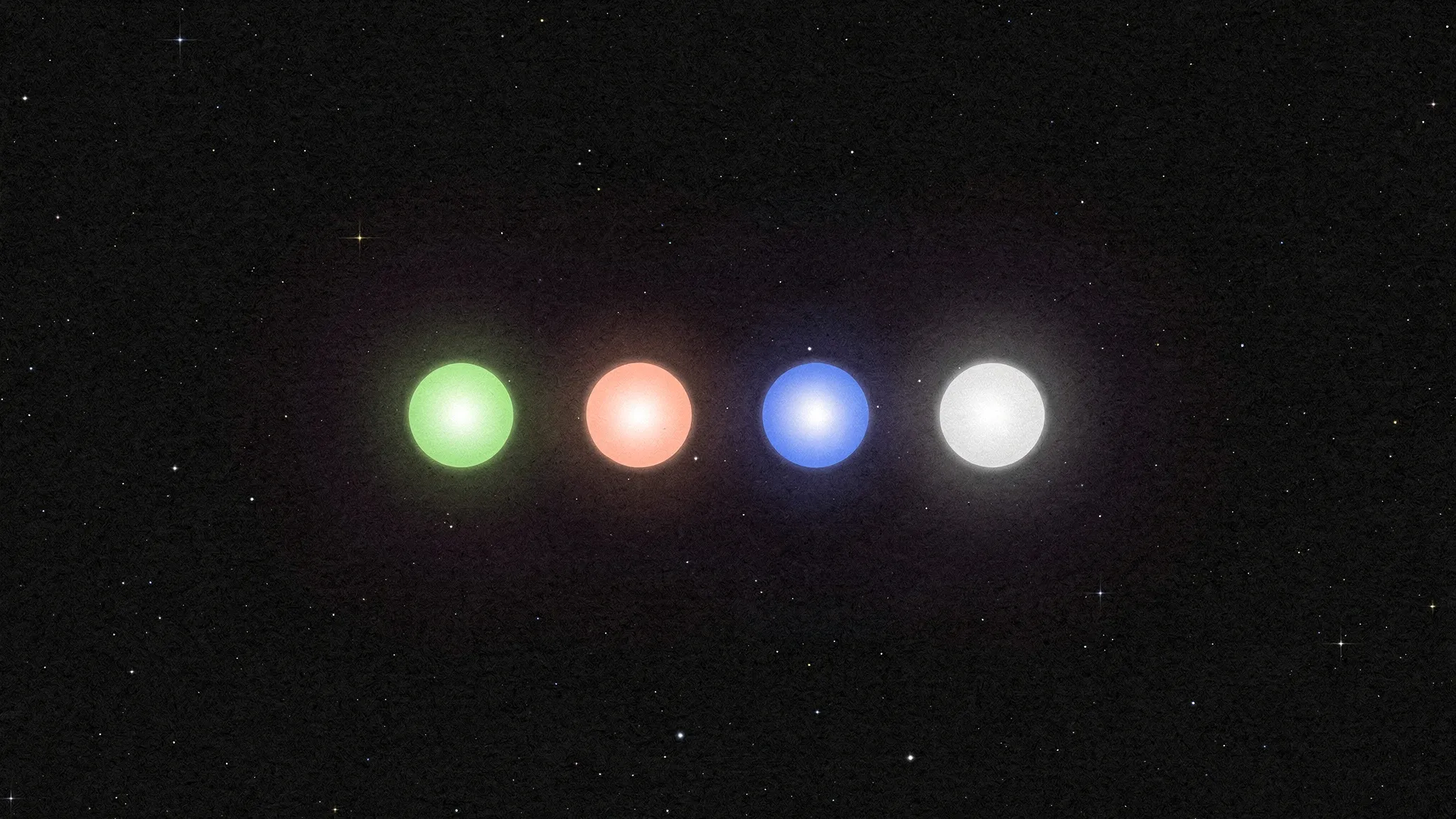
    Four small glowing star discs in a row on a starry black sky: chartreuse green, salmon pink, vivid blue and white.

    Stars come in orange, white or blue, depending on their temperature. White dwarfs, the dense remains of dead stars, break that rule. A British-German team worked out what colour they would really look up close.

    Their method: turn each star's light into the colour a human eye would see, as screens do. Some atmospheres are so dense that carbon, calcium or sodium swallow whole bands of colour.

    The result is a palette. Carbon stars turn pink or purple. One star, WD J1330+6435, would look chartreuse green: no other kind of star is known to be green. Another, at only 4,000 degrees, is vivid blue.

    Yet among the 152 white dwarfs within 20 parsecs of the Sun, the median colour sits close to pure white. Only about 3% stray far from it. The name fits after all.

    Source: Any colour you like: The diverse chromaticities of white dwarfs, https://arxiv.org/abs/2610.18966
    Peer-reviewedData analysis
  3. Mathematics

    MONDRIAN'S PUZZLE: A GAP THAT STOPS GROWING

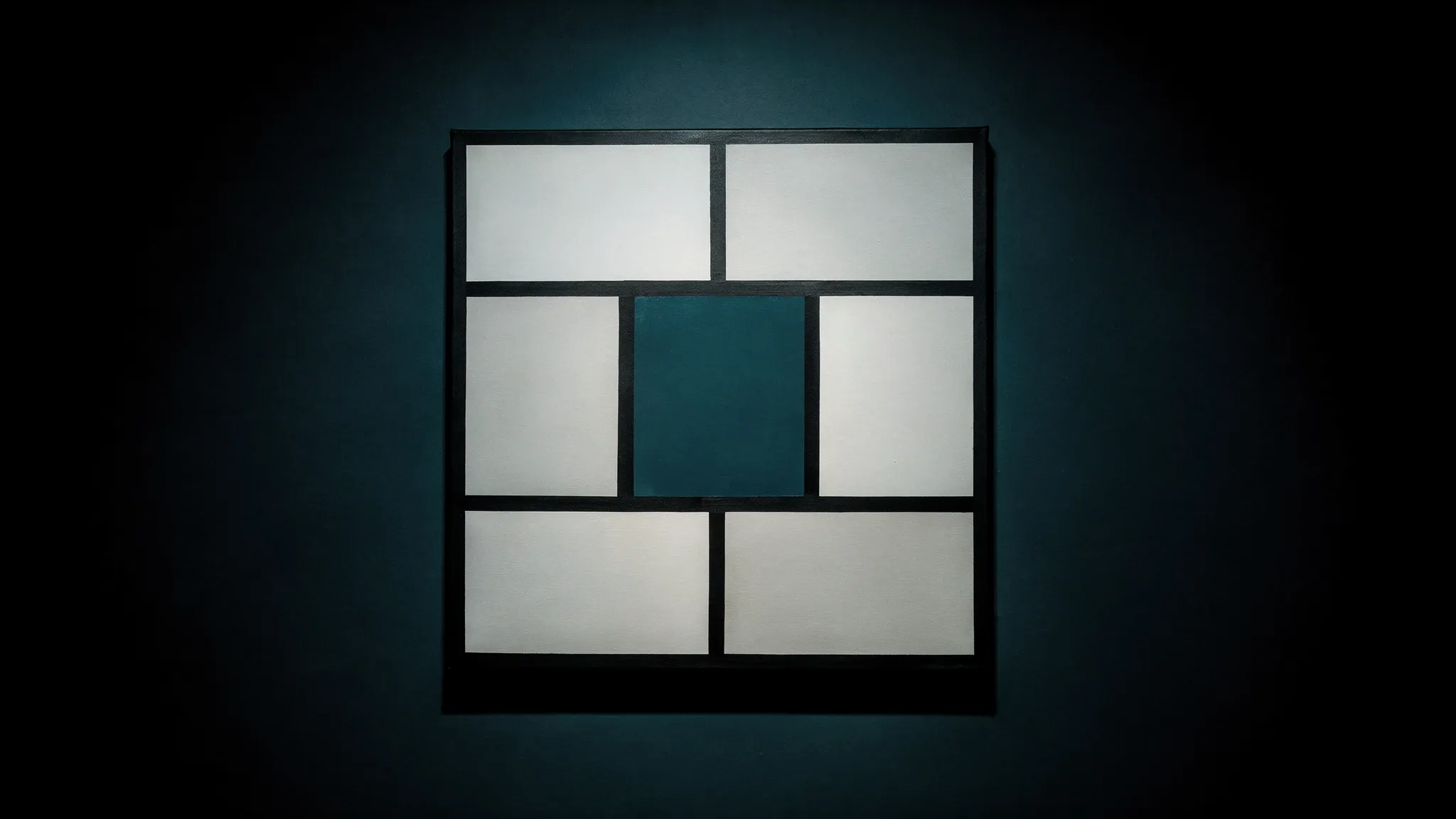
    A square abstract painting on a dark cyan wall, divided by thick black lines into seven rectangles: six off-white, one dark cyan in the middle.

    Piet Mondrian painted canvases made of coloured rectangles. Mathematicians turned them into a puzzle. Cut a square into rectangles with whole-number sides, all different. How close can their areas be?

    The gap between the largest and smallest area is called the defect. A defect of zero would be a perfect cut. Nobody has found one, and most believed the gap must keep growing with the square.

    Two Florida mathematicians prove otherwise. Start with a square of side 315 cut into seven rectangles: areas from 14,000 to 14,280. Then build bigger squares, 106,785 wide and beyond, forever.

    Each one keeps the same gap: 280. The trick is an equation from number theory, Pell's, applied to √19. A perfect cut is still not ruled out, and still unfound.

    Source: A Bounded-Defect Construction for the Mondrian Art Problem, https://arxiv.org/abs/2610.19193

    PreprintTheory
  4. Mathematics

    WITH BORROWED MONEY, THE GAMBLER WINS ONE TIME IN TWO

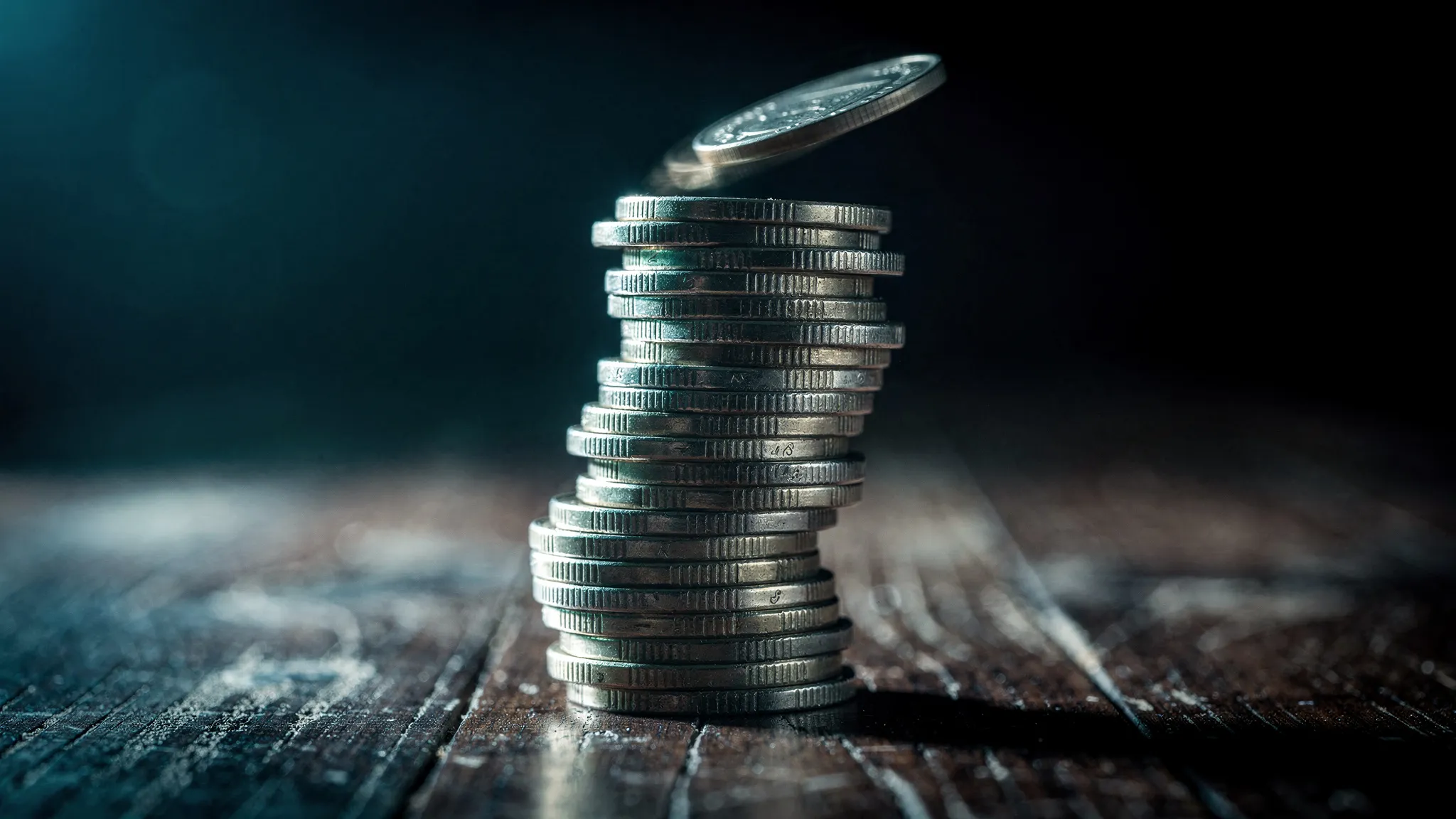
    A tall leaning stack of silver coins on a dark wooden table, one coin tipping off the top, in dim cyan side light.

    A gambler who only makes fair bets cannot expect to win. The odds of multiplying the stake by 1,000 before going broke are at most 1 in 1,000. That is the classic gambler's ruin.

    Now allow borrowing, and bets of up to 10 times what the gambler owns. A Carnegie Mellon computer scientist works out the best strategy. Win a tiny bit on each bet, lose everything rarely.

    The result: about a 50% chance of turning $1 into $1,000 without ever going bankrupt. In general, the odds of multiplying your money by r are about r to the power of minus 1 over the leverage.

    Lehman Brothers ran leverage of 20 to 40. With fair bets, growing eightfold had a 90% chance. When it failed, it was worth about minus $150 billion. Someone gets ruined, just not the gambler.

    Source: With Leverage, the Gambler is Not the One Who Gets Ruined, https://arxiv.org/abs/2610.19239

    PreprintTheory🧪 Experiment
  5. Earth & climate

    THE MAY 2024 AURORAS, MAPPED BY 696 ORDINARY WITNESSES

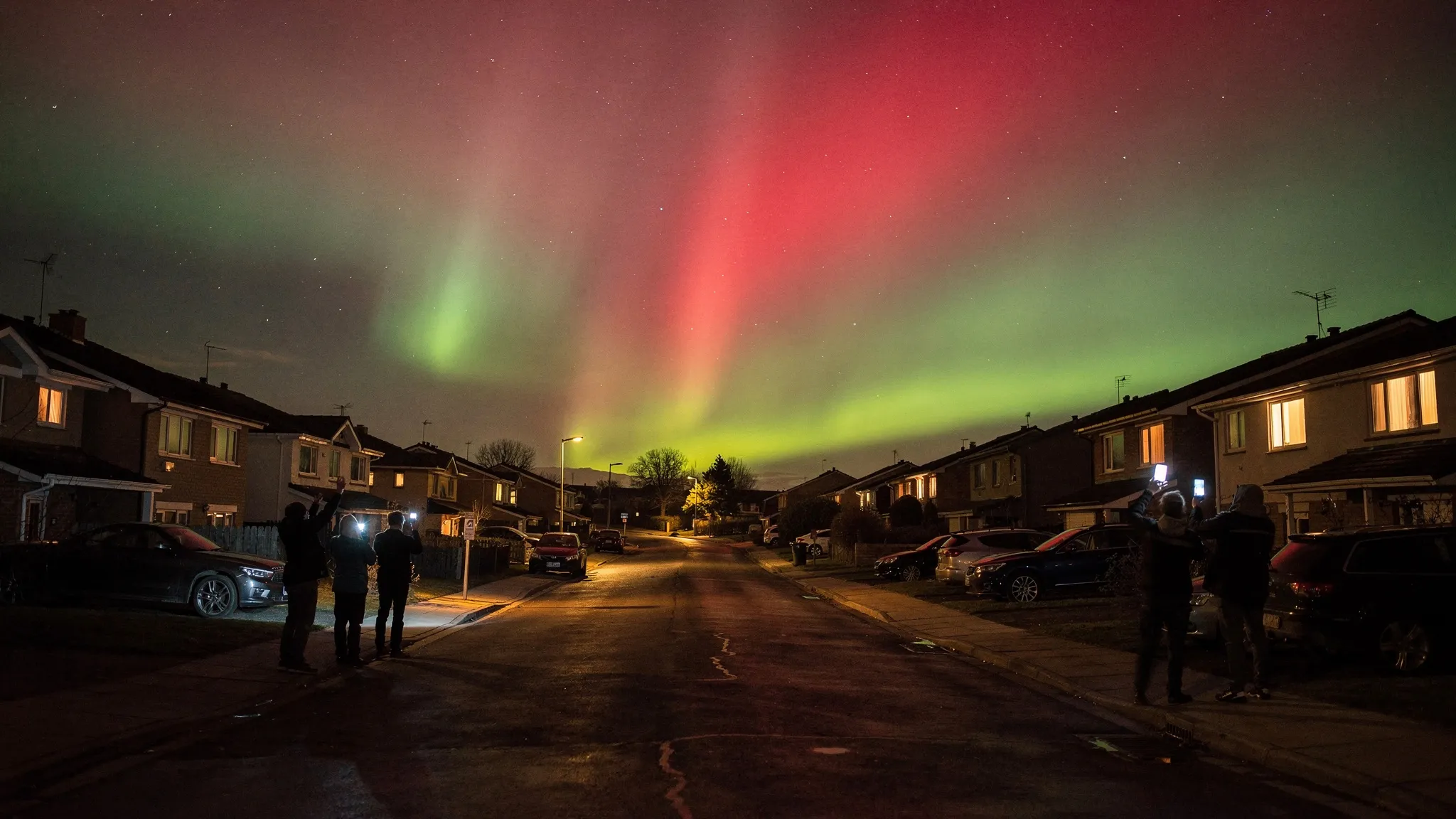
    A suburban street at night under a sky of red and green aurora, a few people on the pavements holding up their phones to photograph it.

    On 10 May 2024, clouds of solar plasma struck Earth. It was the most intense geomagnetic storm in over 20 years. Millions of people were alerted. Many stepped outside, phones in hand.

    Scientific instruments were mostly too far north, or blinded by bright summer nights. So researchers asked the public. They collected 696 reports from over 30 countries, plus 186 from a Finnish catalogue.

    The aurora was seen mostly between 40 and 60 degrees of geomagnetic latitude, a few reports even lower. That is much closer to the equator than models predicted. Green was spotted with the naked eye down to about 38 degrees.

    Most witnesses saw red and pink, bright enough for the eye. That points to a flood of low-energy electrons. Next time, a better form could turn every phone into an instrument.

    Source: The Gannon Storm: Citizen science observations during the geomagnetic superstorm of 10 May 2024, https://arxiv.org/abs/2610.19929

    PreprintData analysis
  6. Physics

    A QUANTUM LAB'S ION TRAP TAKES THE MOTORWAY

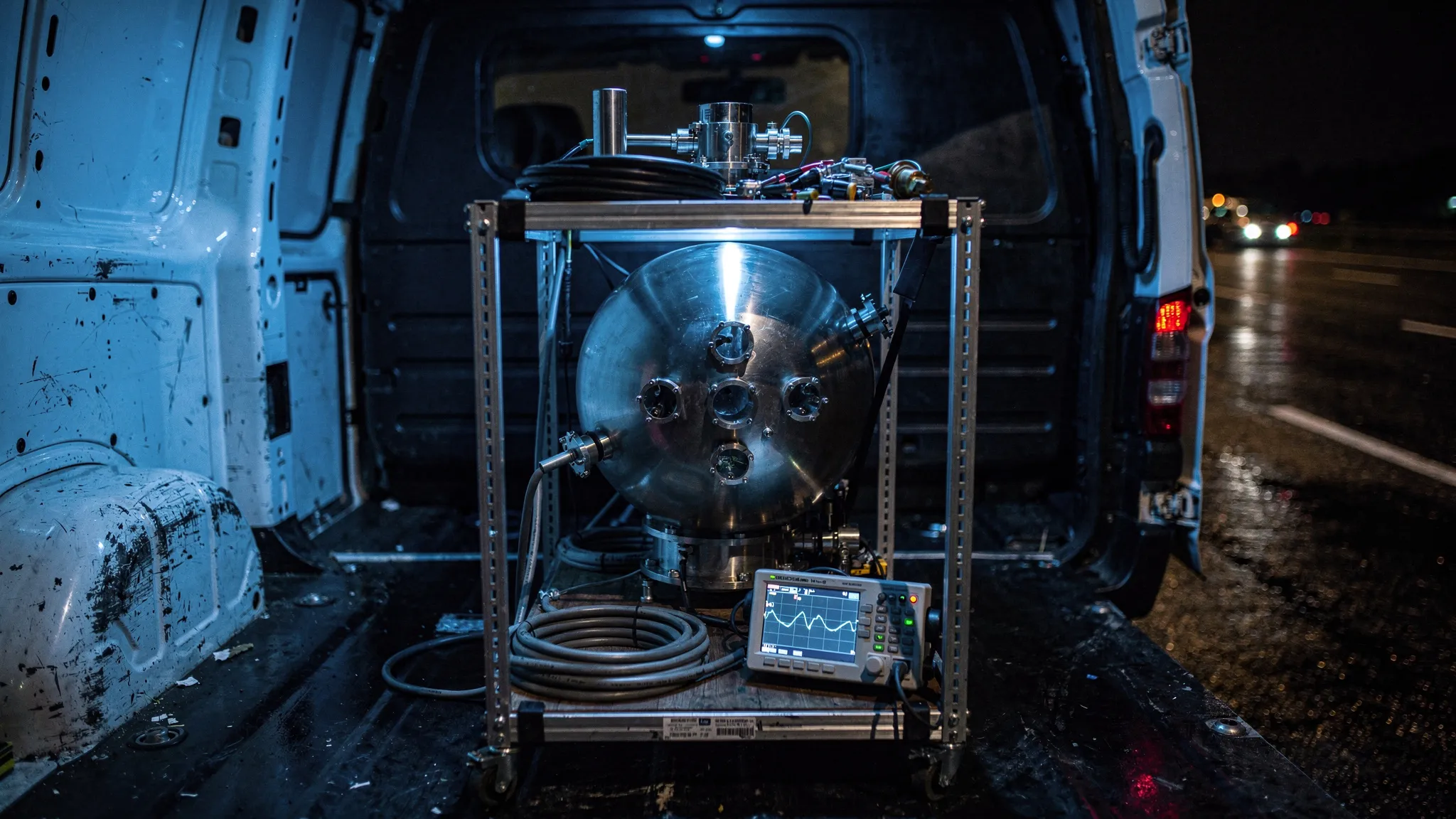
    At night, in the open back of a white van on a wet motorway, a metal rack holds a round steel vacuum chamber with ports, coiled cables and a small oscilloscope.

    Trapped ions are among the best building blocks of quantum computers. Electric fields hold them floating in a vacuum. But these devices only work standing still, on a lab bench.

    A team from Innsbruck and Siegen put a whole trap in a rack 1.8 metres tall. They loaded it into a van, powered it with two backup power units, and hit the motorway.

    First trip: 18.6 km just past the Austria–Italy border, 15 minutes, about 3,800 ions still trapped on arrival. Second trip: 63.4 km in Germany, 45 minutes, about 1,170 ions left. That loss matches what the trap loses sitting in the lab.

    It is the first such trip for this kind of trap, the one most quantum labs use. The ions were only kept, not yet cooled or used as qubits. That is the next step, on the move.

    Source: Demonstration of a mobile ion-trap quantum device, https://arxiv.org/abs/2610.20487

    PreprintExperiment
  7. Chemistry

    ULTRASOUND READS A CHEESE SLICE WITHOUT TOUCHING IT

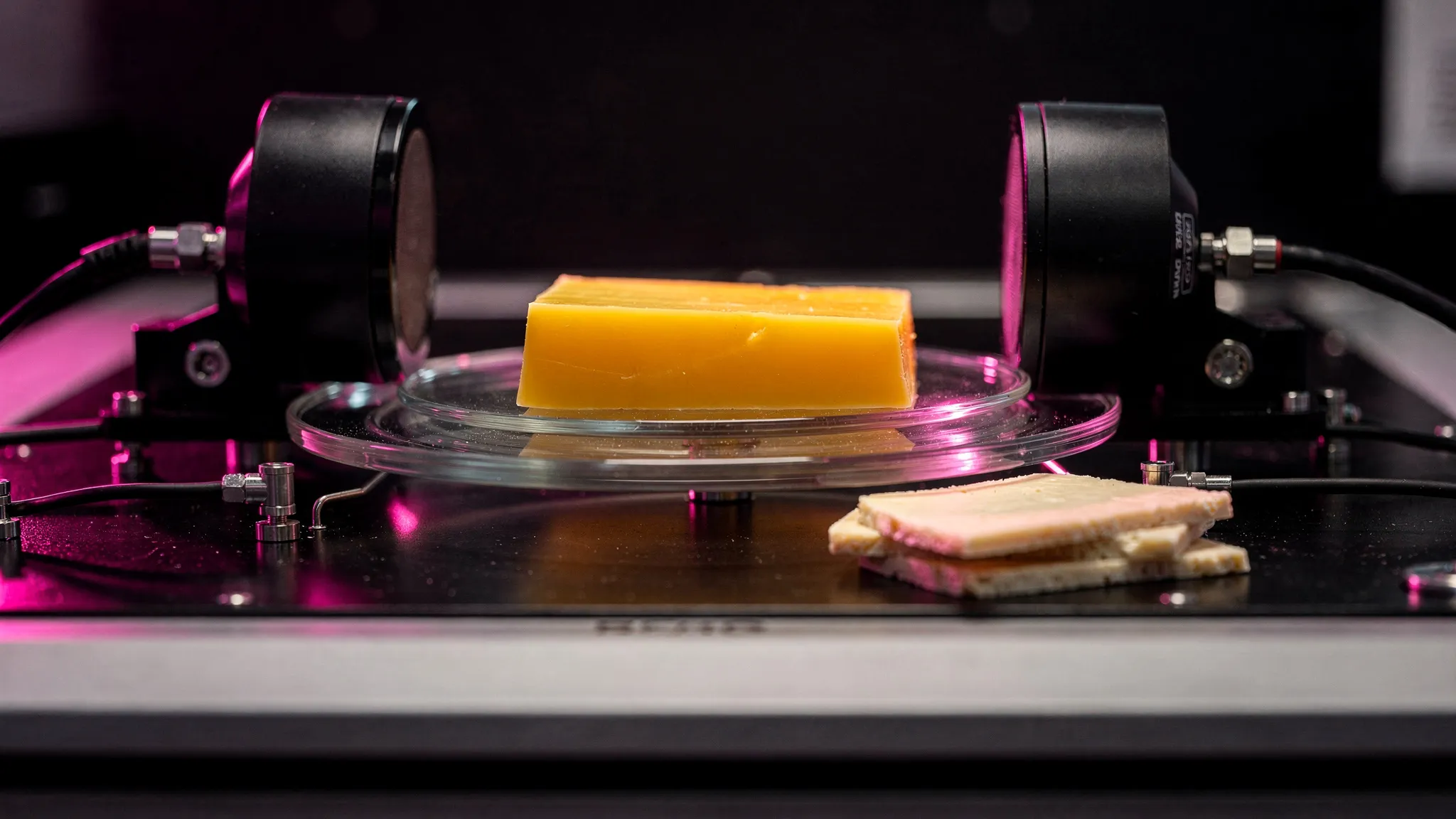
    A block of yellow cheese on a clear plate between two round black transducers facing each other, pale slices stacked nearby, in magenta laboratory light.

    Why does plant-based cheese never feel quite like the real thing? Testing texture usually means crushing a sample. A team in Leeds tried listening to it instead.

    They sent ultrasound through the air and through 119 slices of 13 supermarket cheeses, nine dairy and four plant-based. One scan takes about a minute and leaves the slice intact.

    The maps tell them apart at a glance. Aged Cheddar shows patches millimetres wide, left by its fused curds; the plant-based slices look uniform. On average, both are just as firm. But dairy firmness spans a 7.5-fold range, plant-based only 1.9.

    A small neural network then predicts each slice's full squeeze curve from the scan alone. Three plant slices behave like Cheddar, one like Emmental, none like mozzarella. That soft corner is still empty.

    Source: Sounds Cheesy - Bridging the Texture Gap Between Dairy and Plant-Based cheese with Non-Contact Ultrasound and AI, https://arxiv.org/abs/2610.19924

    PreprintExperiment
  8. Computing & AI

    AT 160 KBPS, EVEN THE SHARPEST EARS CAN'T BEAT THE CODEC

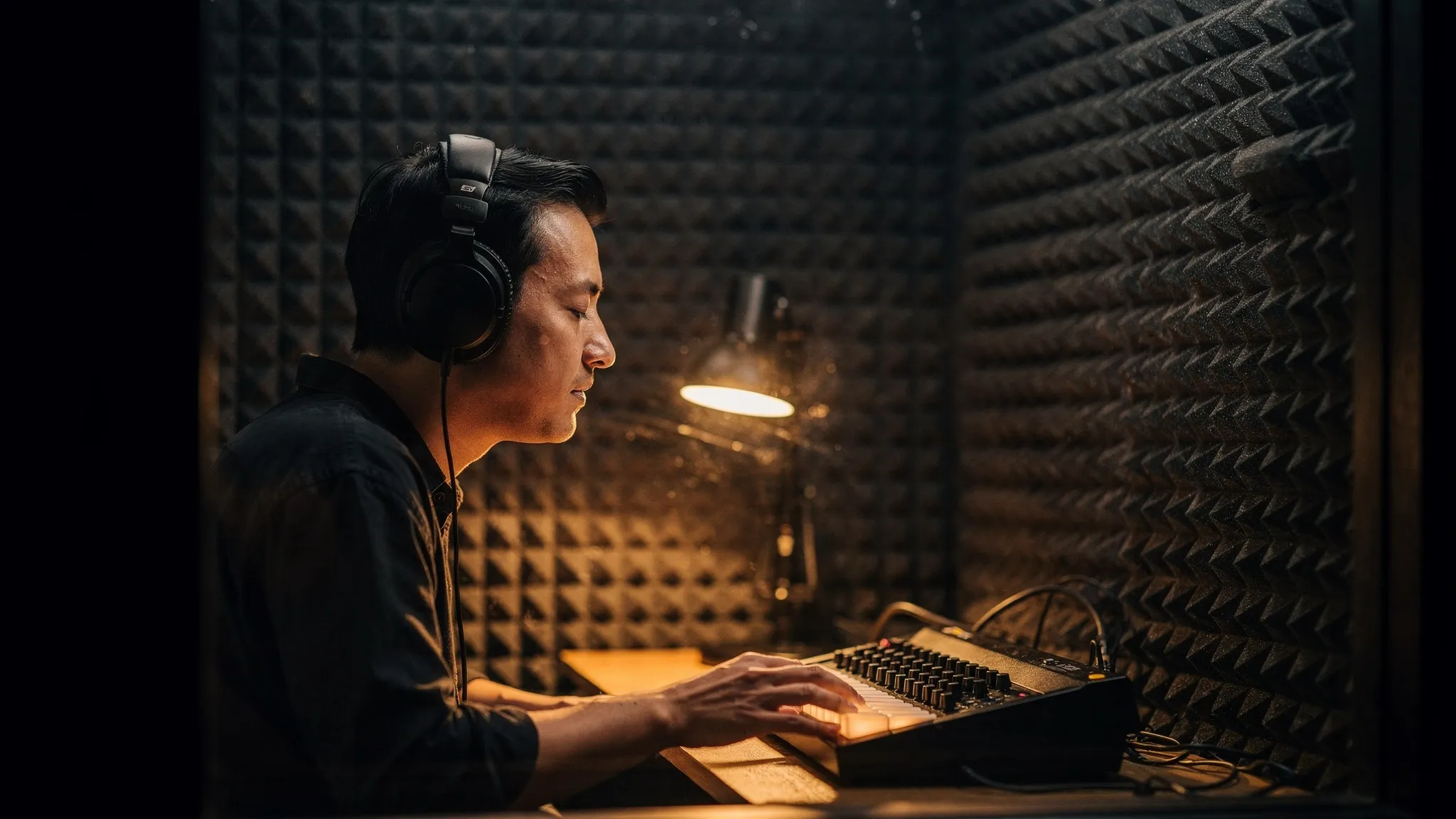
    A man with closed-back headphones listens, eyes closed, in a booth lined with acoustic foam, one hand on a small control panel, under a warm desk lamp.

    Streamed music is compressed: part of the sound is thrown away, where the ear should not notice. But from what quality on does it truly become inaudible? Two Deezer researchers tested Opus, an open codec.

    The test was strict: double-blind, in soundproof booths, with closed headphones. Listeners heard the original, then two versions to compare: one compressed, one secretly identical to the original.

    With 21 listeners and 23 tricky excerpts, 128 kilobits per second passed. Then the team kept only the 10 sharpest ears and the 8 hardest excerpts. Under that scrutiny, 128 was caught.

    At 160 kilobits per second, those same ears no longer told it apart from the CD, and the statistics confirmed it. Other equipment and more experts would make the verdict universal.

    Source: Evaluating perceptual transparency of lossy music audio compression with Opus codec, https://arxiv.org/abs/2610.20246

    PreprintExperiment
  9. Life sciences

    WITH AGE, CELLS STOP ANSWERING IN UNISON

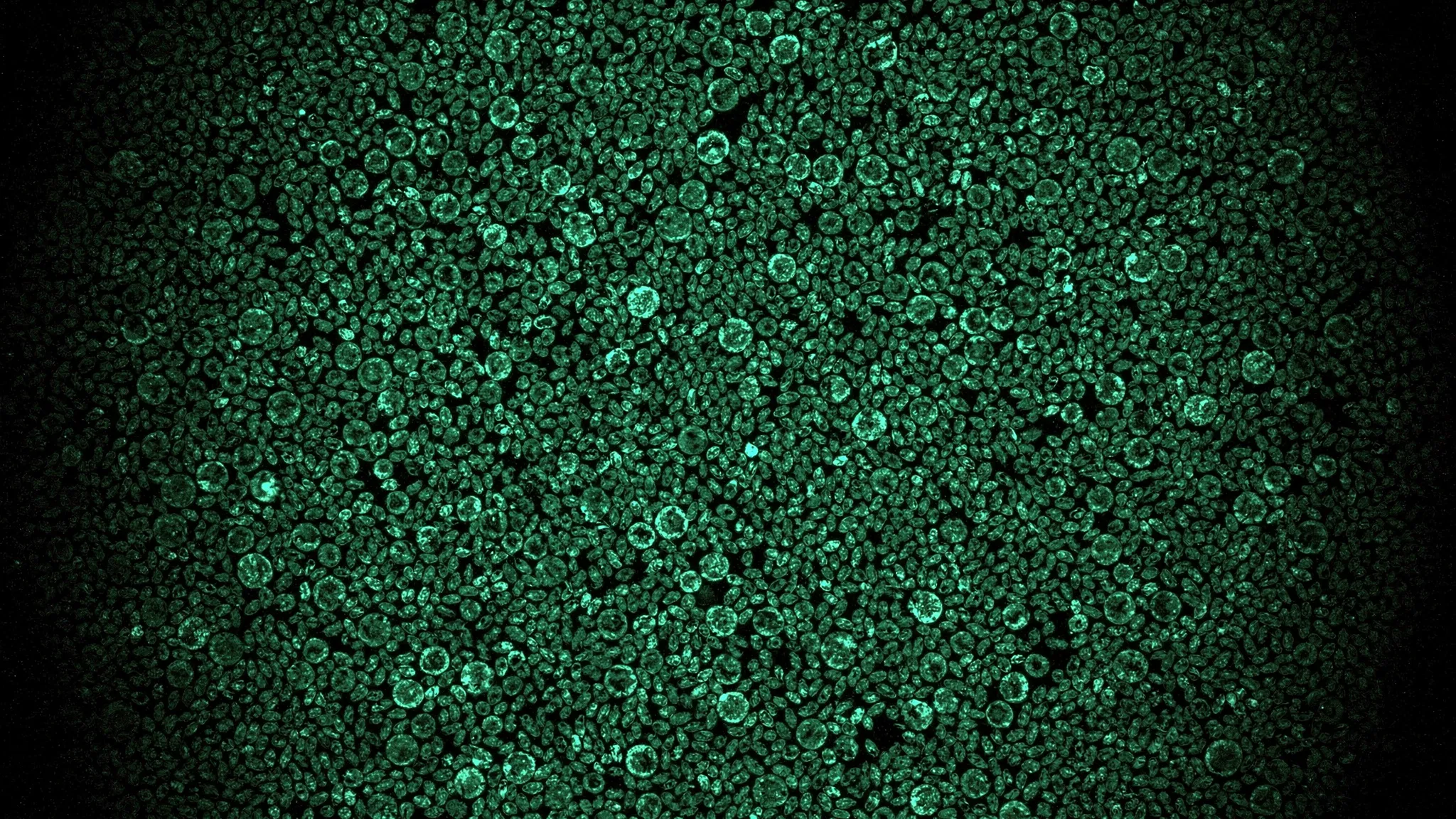
    A dense field of cultured cells under a fluorescence microscope, glowing green at very different brightnesses from one cell to the next.

    One idea about aging: random damage piles up in each cell, mutation by mutation. Gene control slowly comes apart. But each cell is damaged differently. How do we see a common pattern?

    A team from Israel, China and the US trained a neural network on gene activity in single cells. It can switch off one gene virtually, in each cell, and predict the knock-on effects.

    Across 45 cell types from humans, mice, flies and worms, the effect of switching off the same gene varied more between old cells in 41. Cells carrying more mutations, or more signs of senescence, strayed most.

    Old cells seem to lose their shared rulebook. These are model predictions, not lab knockouts, and links rather than causes. Real experiments will have to confirm them.

    Source: Deep learning-based virtual perturbation reveals increasing heterogeneity of gene regulatory responses with aging, https://arxiv.org/abs/2610.19029

    PreprintData analysis
Legal notice