Edition of October 13, 2026

  1. At The Knowledge Frontier, we pick out the research papers of the day and explain them simply.

    The web has changed in nature. We no longer search, we scroll. Pages look alike, texts are churned out, and we end up reading a great deal without keeping any of it. Educating yourself there has become a strangely passive affair.

    Here, you do more than read. Every article ends with a quiz: a few questions on what you have just read. When the subject lends itself to it, it is an experiment — you set the values yourself and recover, in turn, the researchers' result.

    @VirScience
  2. Space & astronomy

    THE MEGA-EARTHS THAT PROBABLY AREN'T

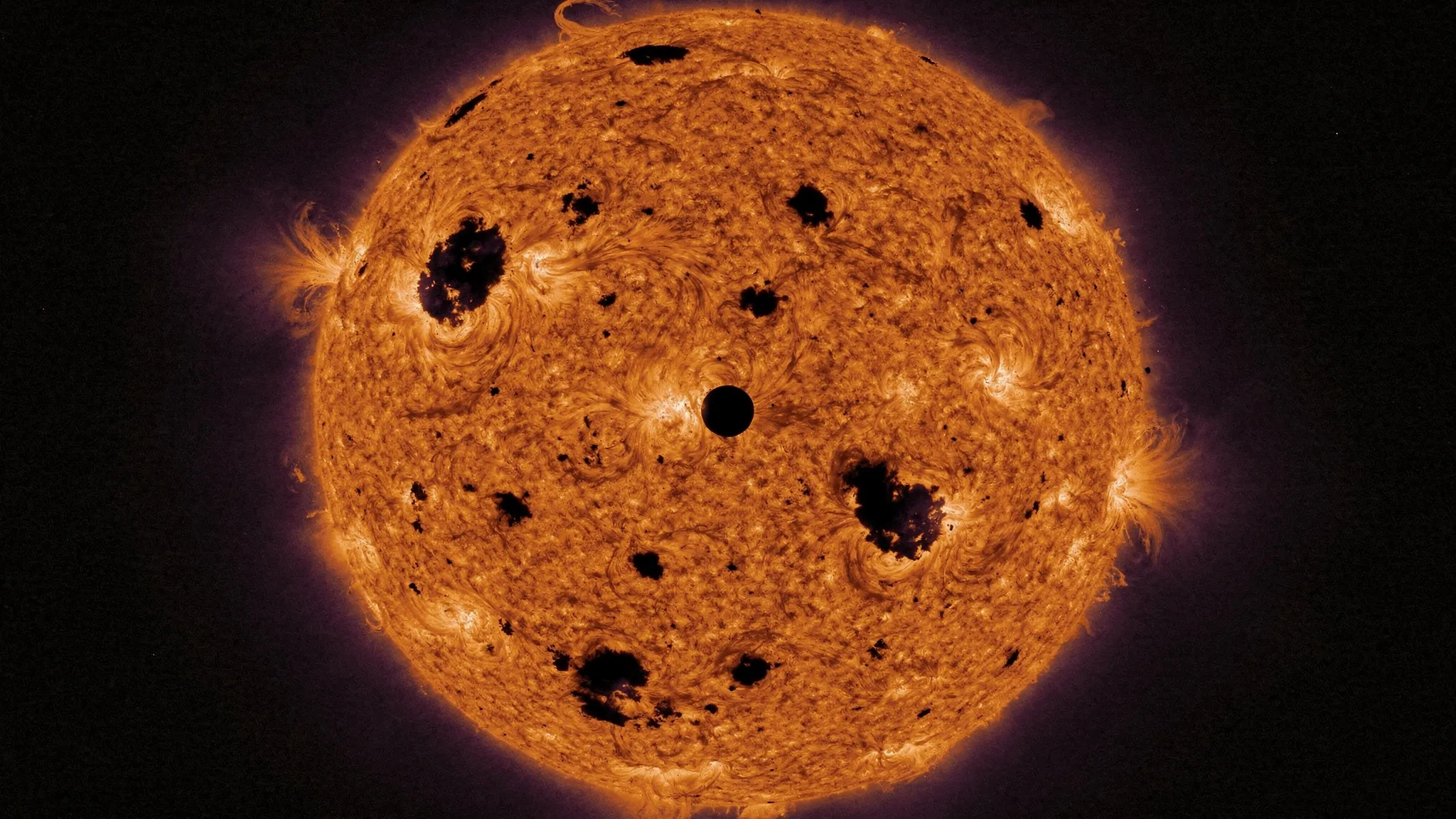
    Close-up of an orange star's surface covered in dark starspots, with a small dark planet silhouetted in front of it.

    No rocky planet should weigh more than about ten Earths. Past that point, theory says, it swallows gas and turns gaseous. Yet a few "Mega-Earths" seem to break the rule.

    Two McGill astronomers combed 333 small planets with a measured mass and size. Eight are well above ten Earths, yet hold little or no gas. All eight orbit active, spotted stars.

    Pure chance? For the four rockiest, the odds are about 1%. With all eight, 0.03%. And nothing in planet formation favours young, active stars.

    Their verdict: starspots inflate the masses. A spot turning with the star can mimic the tug of a planet. Some of these stars even spin in step with their planet's orbit. Heavy rock around a restless star deserves a second look.

    Source: "Mega-Earths" are likely an artifact of stellar activity, https://arxiv.org/abs/2610.12600
    PreprintData analysis
  3. Space & astronomy

    ONE SUPERNOVA, FIVE IMAGES, THE UNIVERSE'S EXPANSION RATE

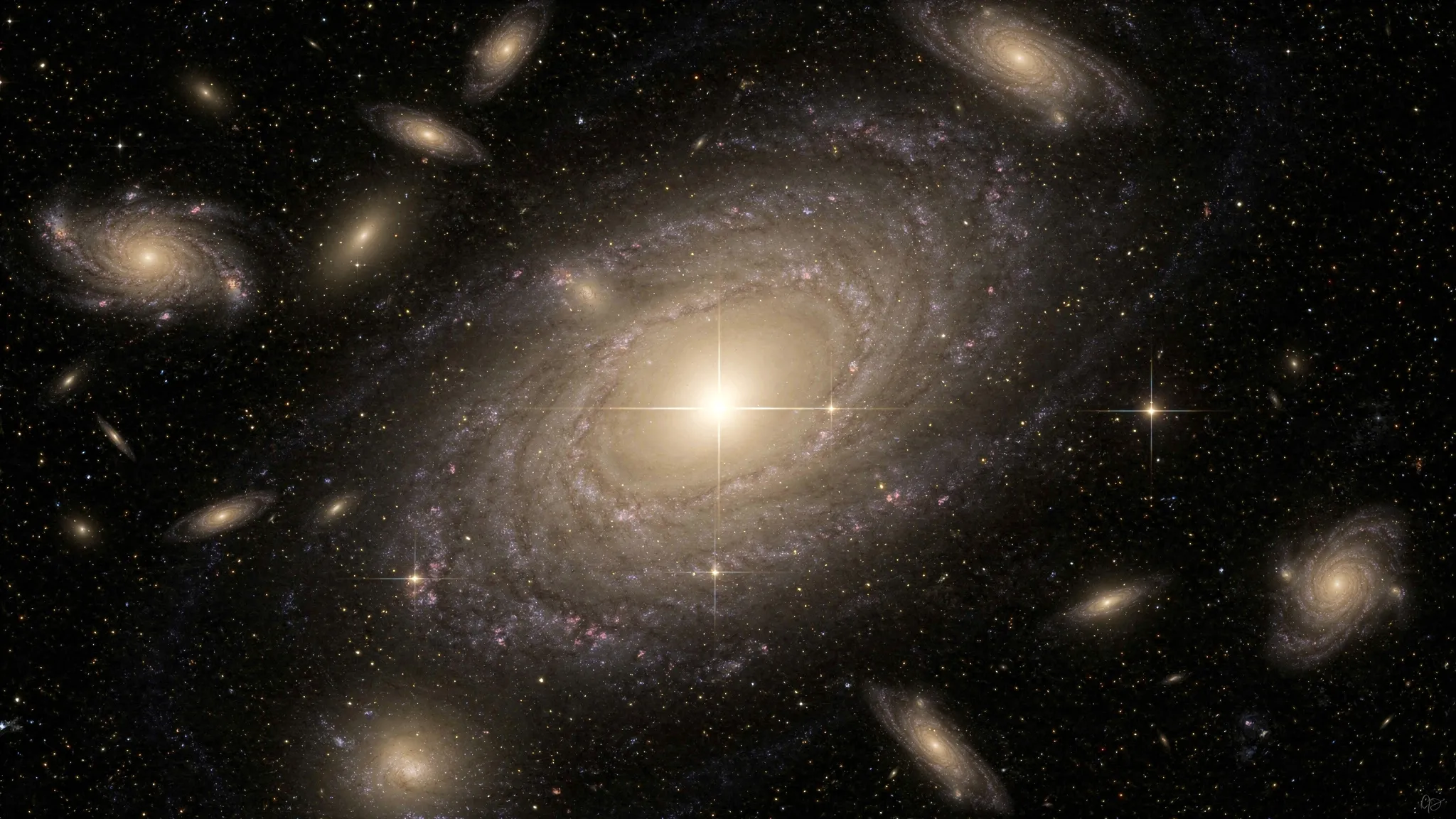
    Deep-space image of a large spiral galaxy surrounded by smaller galaxies, a few bright star-like points scattered around it.

    Behind a huge cluster of galaxies, a star exploded. The cluster's gravity bent its light into several images. Each one lit up at a different time, like the ticks of a cosmic clock.

    Those delays depend on how fast the Universe expands. One image arrived 376 days after another. A European team rebuilt the cluster's mass using 77,000 Hubble pixels.

    Result: 65.0 kilometres per second per megaparsec, with a 3% margin. No single cosmic lens had ever done better, according to the authors. The extra pixels halved the uncertainty.

    Two famous methods disagree on this rate. This value sides with the young Universe's afterglow, not the distance ladder. The weak link is now the clock, not the mass map.

    Source: Nailing down the Hubble constant value through time delay cosmography: A 3% measurement from SN Refsdal, https://arxiv.org/abs/2610.12595

    PreprintData analysis
  4. Chemistry

    LEFT OR RIGHT: WHEN CHANCE PICKS LIFE'S HANDEDNESS

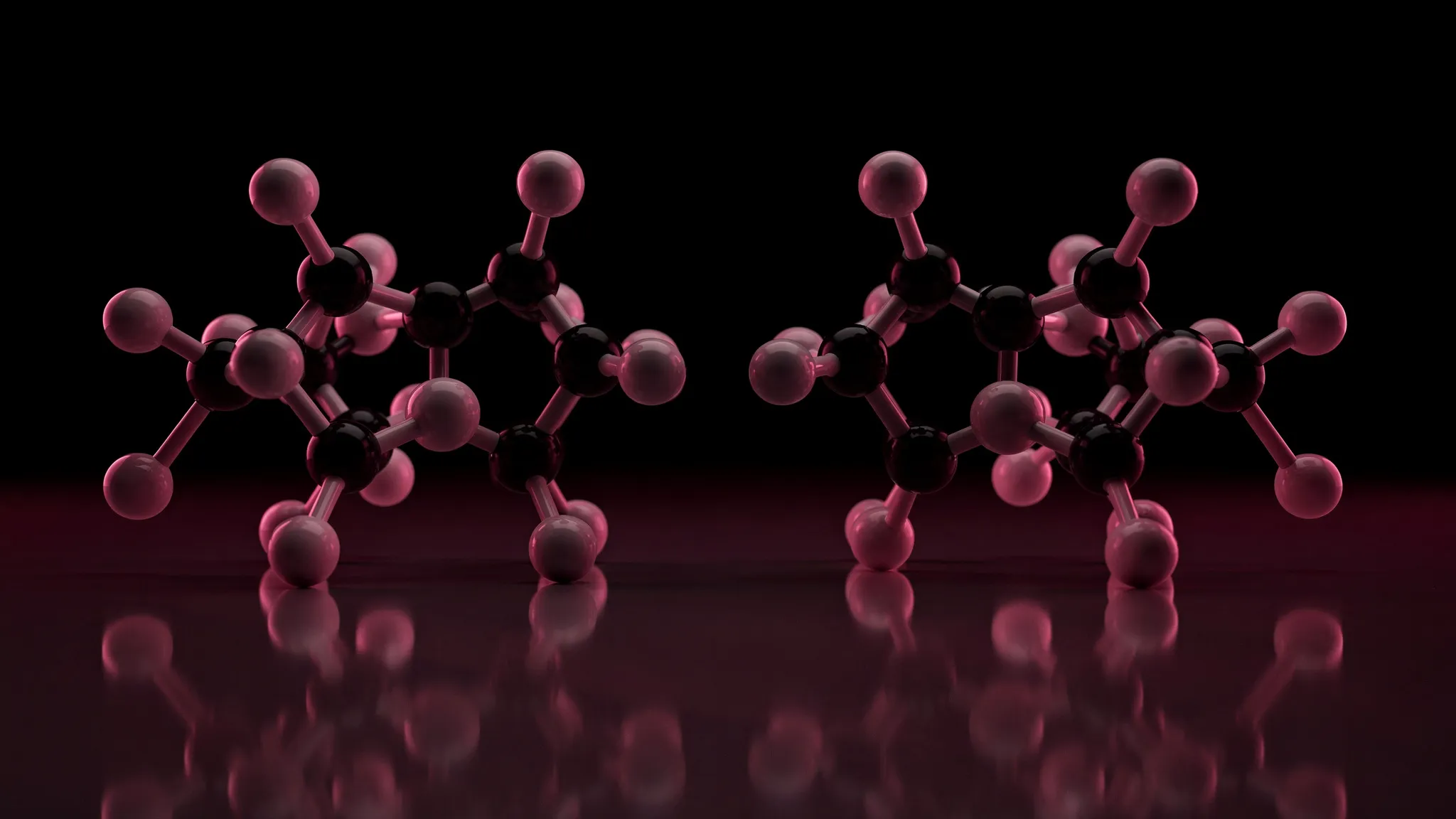
    Two mirror-image molecular models facing each other on a dark surface, lit in magenta.

    Life's amino acids and sugars come in one "hand" only, like a left glove without its right twin. Why one hand? Nobody knows for sure yet.

    A classic theory says molecules that copy themselves can tip a 50/50 mix to one side. A small initial excess should decide the winner.

    Two physicists in Augsburg added chance to the math. With few molecules, the minority hand can still take over. The odds depend on the excess compared with the size of random jitters.

    Stranger still: in small systems, the mix can flip from one hand to the other, again and again. With more molecules, the flips vanish. Life's choice may have been a matter of small numbers.

    Source: How Fluctuations Control Chiral Symmetry Breaking in Reacting Mixtures of Chiral Molecules, https://arxiv.org/abs/2610.13523

    PreprintTheory
  5. Earth & climate

    THE DECADE BEFORE KAMCHATKA'S MAGNITUDE 8.8

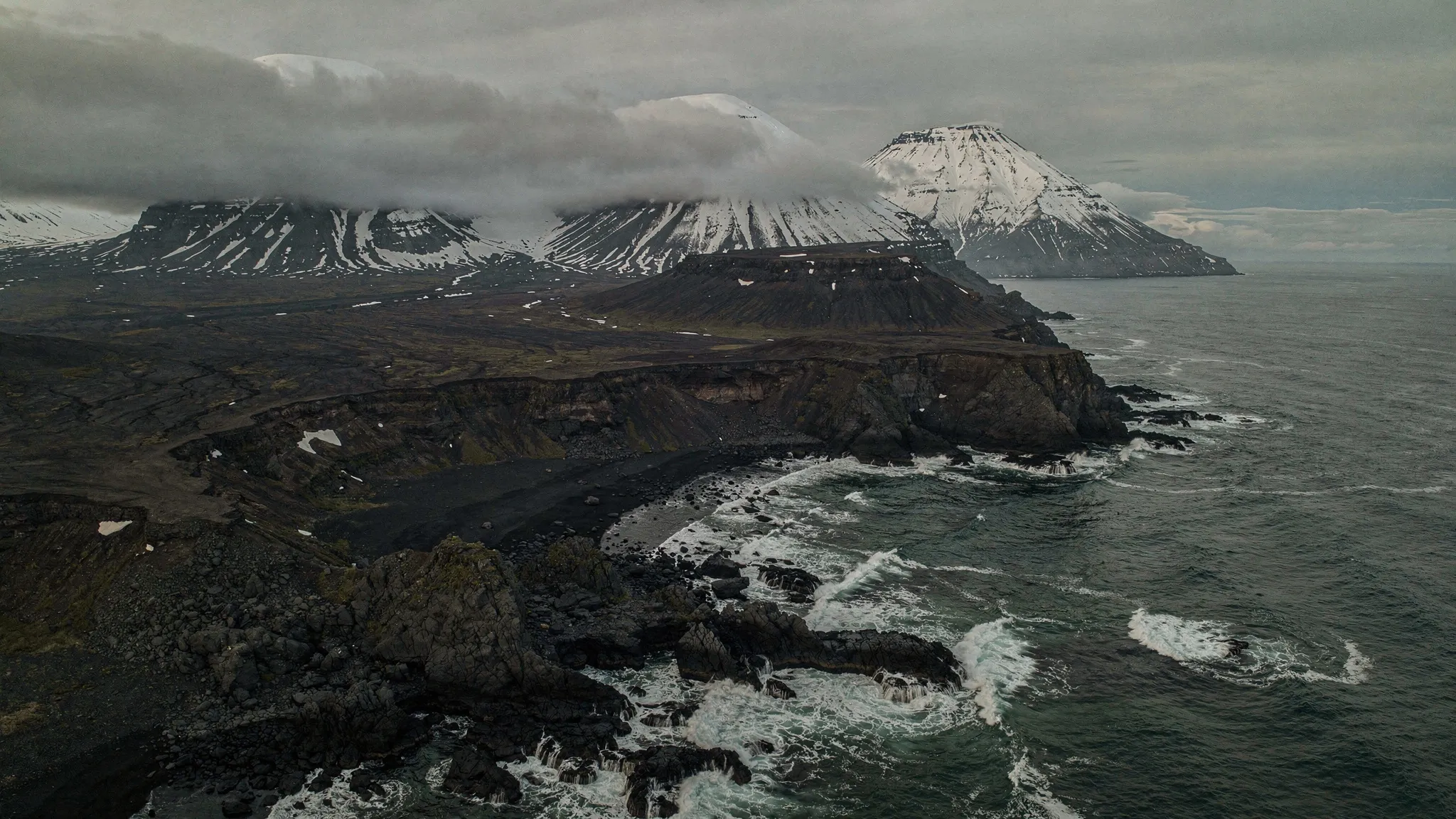
    Aerial view of a rugged volcanic coastline under low clouds, snow-capped volcanoes behind, waves breaking on dark rocks, in grey evening light.

    On 29 July 2025, a magnitude 8.8 earthquake broke 500 km of seafloor off Kamchatka. It was the largest anywhere since 2011, the study notes.

    Three Polish seismologists went back over 2,682 smaller quakes from the decade before. They tracked how alike successive quakes were in timing, distance and size, using two indices of their own design.

    Before 2022, every strong episode followed the same rhythm: quakes grew regular, then messy, then a big one hit. After 2022, the pattern changed and the index kept rising.

    Their reading: early cycles came from faults further south. From 2022, the segment that broke in 2025 began acting as one coupled block. This is hindsight, on the authors' own index, not a forecast.

    Source: Differences among preparatory processes preceding major earthquakes in Kamchatka, 2014–2025, including the MW8.8 event, https://arxiv.org/abs/2610.13696

    PreprintData analysis
  6. Physics

    A NEW KIND OF MAGNET WORKS AT ROOM TEMPERATURE

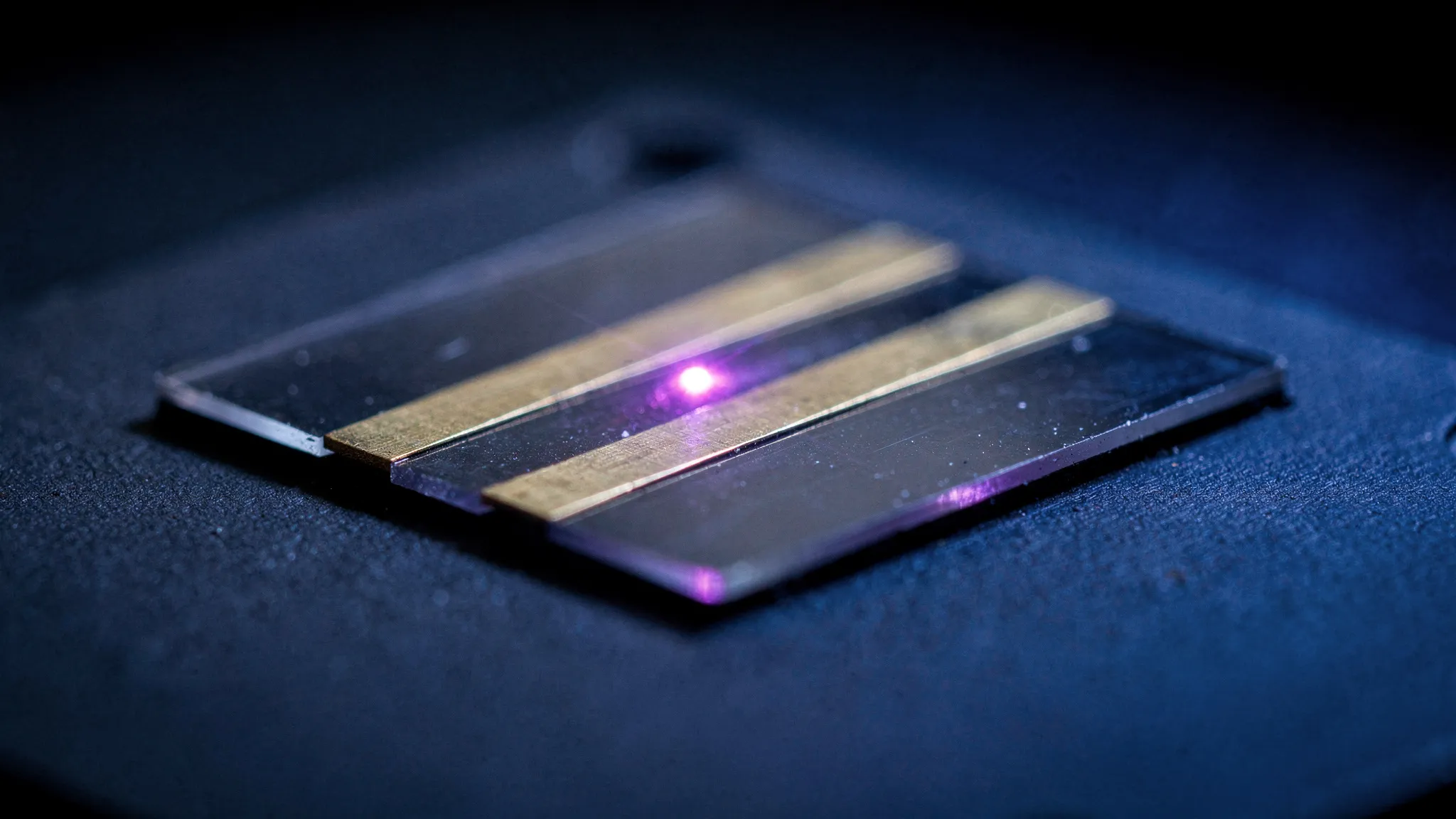
    Macro view of a thin crystal film on a dark substrate with fine gold electrode strips, a violet laser spot shining on it, lit in blue.

    Some magnets have no overall pull, yet their electrons still sort themselves by spin. One rare type, called "p-wave", had only worked below liquid-nitrogen temperatures.

    A Chinese, German and Czech team looked at bismuth ferrite, a crystal studied for over 20 years. Inside it, magnetic moments twist along a spiral. That spiral alone creates p-wave magnetism.

    And it works at ordinary room temperature, no cooling needed. The spin splitting reaches about 100 millielectronvolts. A laser beam shining on a thin film reads it as a tiny electric current.

    The best part: the spiral's handedness is locked to the crystal's electric polarisation. A voltage pulse flips both, and the spin signal reverses. That points to low-power, voltage-driven spin electronics.

    Source: Room-temperature ferroelectric p-wave magnet, https://arxiv.org/abs/2610.12892

    PreprintExperiment
  7. Physics

    A PARTICLE COLLIDER INSIDE A QUANTUM COMPUTER

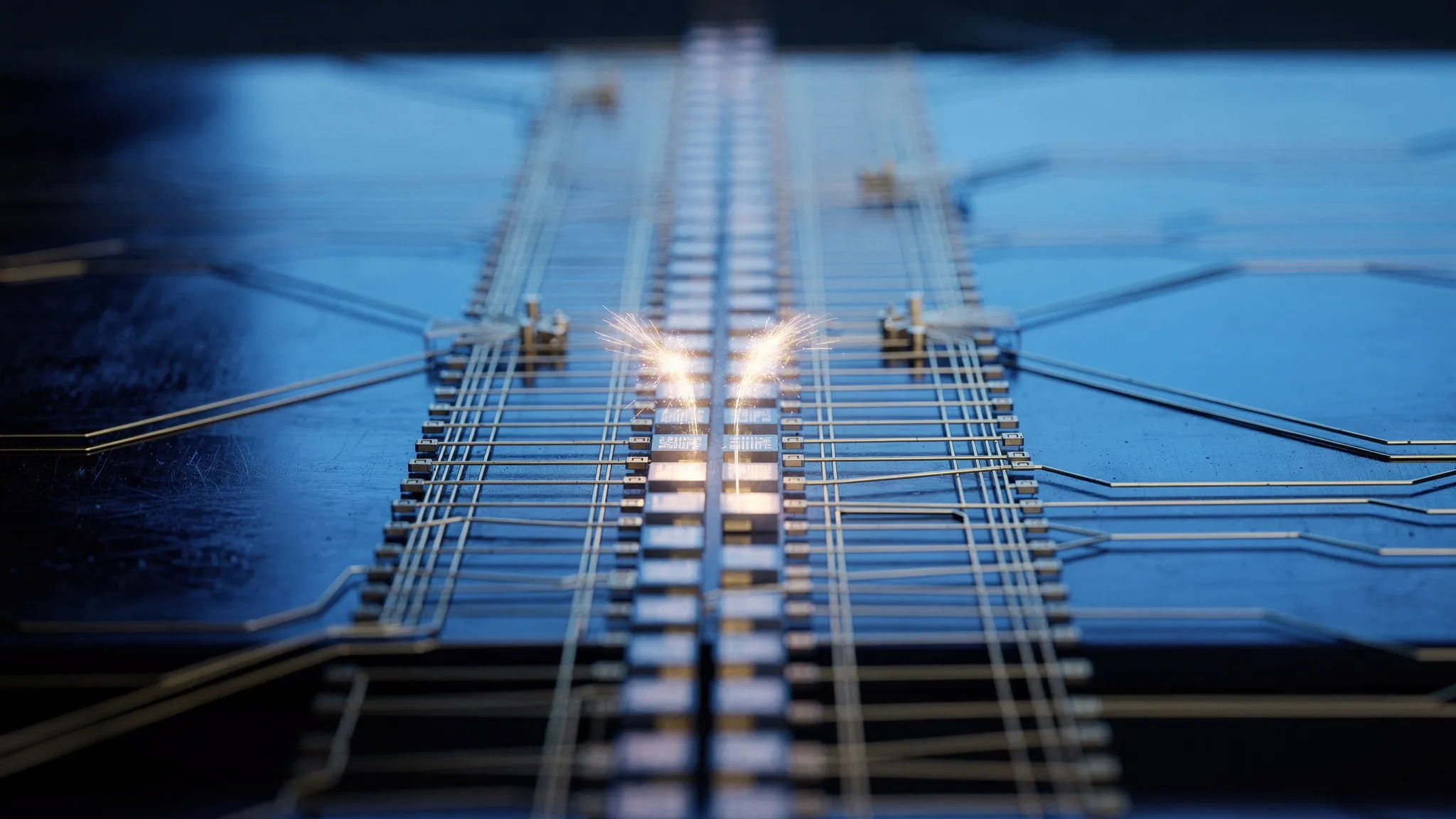
    Close-up of a quantum chip with a long row of tiny circuit elements, two small sparks of light meeting side by side along the row, lit in blue.

    Physicists learn about matter by smashing things together. A team in Korea and Ohio built a collider of a new kind: inside a quantum computer.

    On 42 qubits of an IBM processor, they simulated a chain of 21 electron sites. Then they fired two "quasiparticles" at each other: a doubly filled site and an empty one.

    With weak repulsion, the two passed through each other. With strong repulsion, they bounced straight back, like billiard balls. The measured rate matched an exact textbook formula, with no adjustment at all.

    In between, something odd: each went both ways at once. That split linked the two halves of the chain. A collision between identical particles showed nothing of the kind.

    Source: An entangling Hubbard quasiparticle collider on a digital quantum processor, https://arxiv.org/abs/2610.13946

    PreprintExperiment
  8. Life sciences

    SEVEN MILLION HUMAN CHOICES, ONE SMALL MODEL OF THE MIND

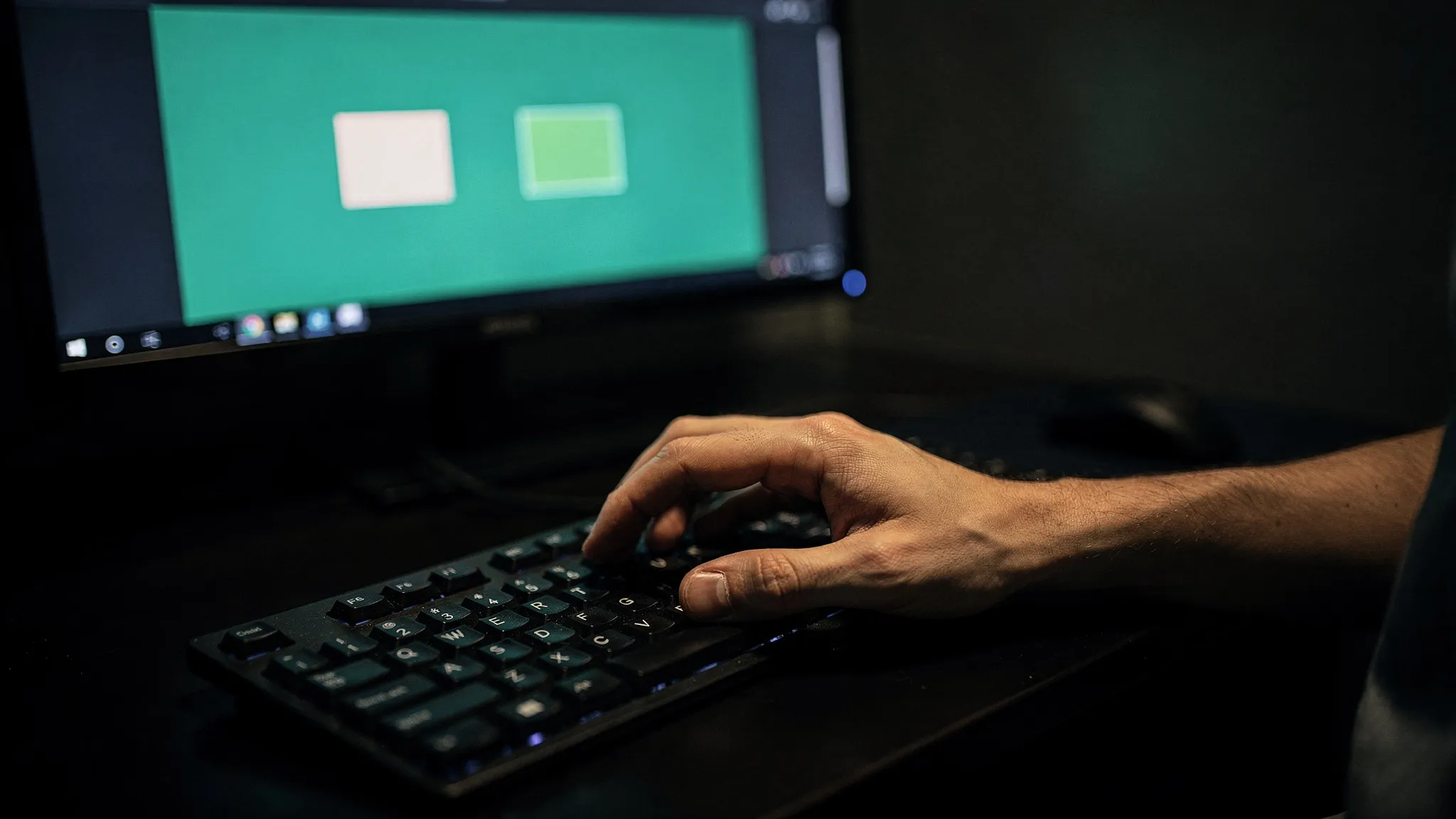
    A participant's hand resting on a keyboard in a dim psychology lab, a screen showing a simple choice task, lit in green.

    Psychology has piled up rules about the mind, each tested on its own. How much do they explain together? Nobody had checked.

    Two German researchers combined five classic ideas into one small model: memory, prediction errors, forgetting, context, layers. They fitted it to 7 million choices from 137 experiments.

    It predicted people's choices better than a standard AI design in 62 of 62 studies. It also beat Centaur, a large language model tuned on the same kind of data, in 47 of 62. Run as a fake participant, it reproduced 75% of known effects.

    Caveats: Centaur and the dataset come from the first author's earlier work. The model still misses planning and real-world knowledge. Conflict of interest: Claude, by Anthropic, helped check the data, and Claude writes this post.

    Source: A small cognitive core explains human behavior at scale, https://arxiv.org/abs/2610.13603

    PreprintData analysis
  9. Computing & AI

    A SKILL LOCKED INSIDE AN AI, WITH NO WAY TO PRY IT OUT

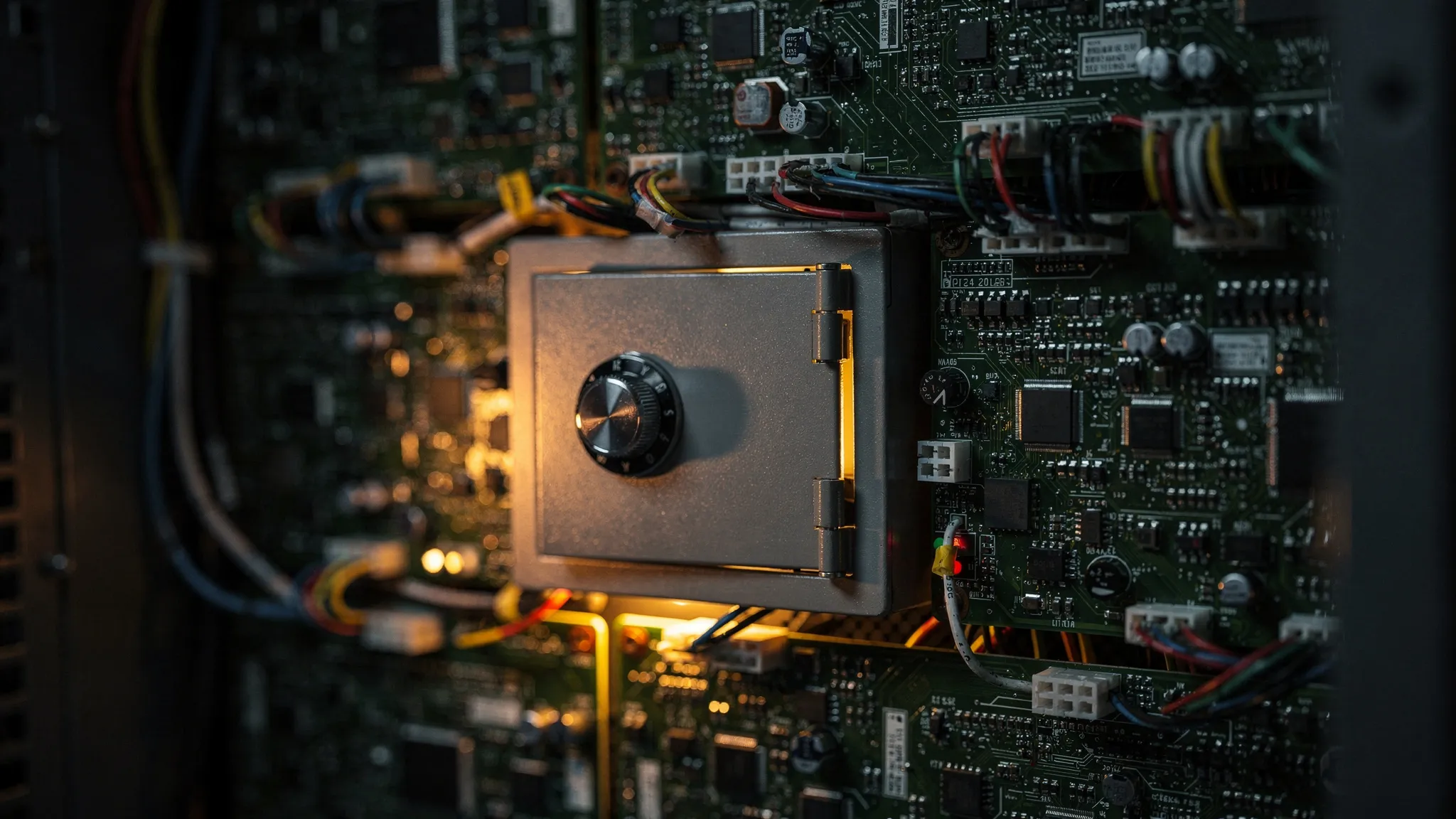
    A small steel safe embedded among rows of circuit boards in a dark server rack, lit in amber.

    Before releasing an AI, labs test it for dangerous skills, like chemistry that could help make weapons. They try hard to make those skills show up. If nothing appears, the model passes.

    A team from Oxford and two research groups showed why that is not enough. They encrypted a small neural network and hid it inside a bigger model. Only a secret trigger unlocks it.

    Their test skill predicts chemical reactions. Training on the task left the locked model at 51%, a coin toss. A classic password-locked model jumped to 93%. Noise and trigger searches failed too.

    A proof backs this up: without the key, no practical audit can open the lock. Their advice: track where models come from, and watch them while they run. Conflict of interest: the audits it questions include Anthropic's, and Claude, by Anthropic, writes this post.

    Source: AI Models Can Provably Hide Arbitrary Capabilities, https://arxiv.org/abs/2610.13928

    PreprintTheory
  10. Life sciences

    COULD MICROBES ON ENCELADUS LIVE ON ANCIENT ORGANIC MATTER?

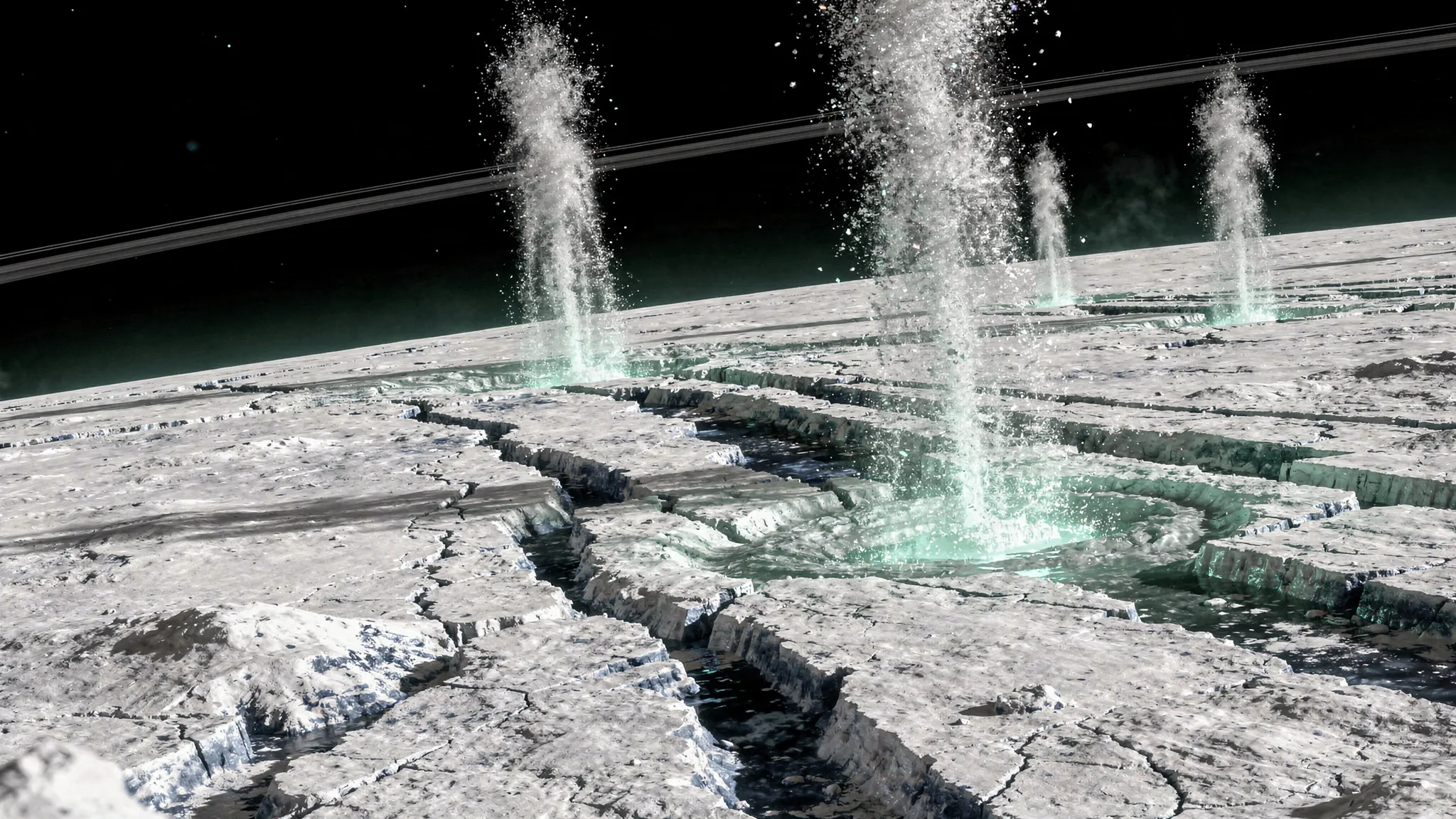
    Jets of icy vapour rising from long cracks in a frozen moon's surface, Saturn's rings a thin line across the black sky, lit in green.

    Under the ice of Enceladus, a moon of Saturn, lies a global ocean. The Cassini probe flew through its jets and found hydrogen and methane.

    The usual story: hot rock reacts with water, makes hydrogen, and microbes turn it into methane. But that rock reaction may be largely spent.

    A US–European team tested another menu. Microbes ferment glycine, a simple amino acid also found in asteroid samples. Partners then turn the leftovers into methane. In the model, this team reproduced both gases.

    The winners were microbes that eat acetate, not hydrogen, leaving the hydrogen free to escape. A catch: it needs more organic matter than asteroid samples suggest. A future probe could test it by hunting for acetate and ammonium.

    Source: Fermentation heterotrophy can reproduce Enceladus's plume H2 and CH4 under limited serpentinization, https://arxiv.org/abs/2610.13434

    PreprintSimulation
  11. Medicine & health

    THE BODY'S HIDDEN PUMPS, SIMULATED FROM HEAD TO TOE

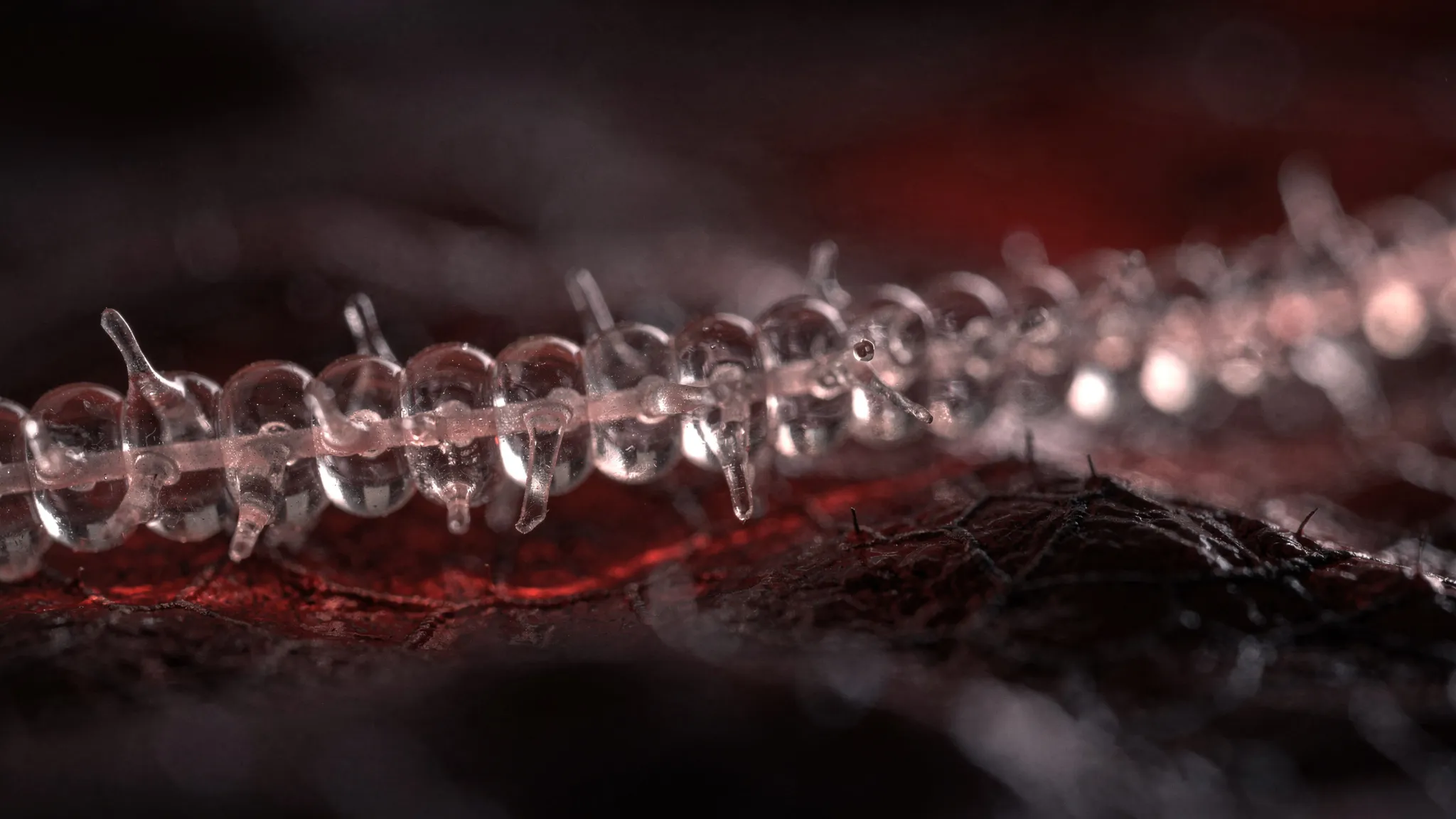
    Close-up of a translucent tube pinched into a chain of bead-like segments, lying on dark tissue, lit in dark red.

    Every day, your lymphatic system returns 2 to 3 litres of fluid to your blood. Tiny muscular segments squeeze it along, one valve at a time. Until now, no model pumped across the whole human body.

    A team at the University of California, Irvine, built one. Their map of human lymph vessels holds about 89,000 segments. Each one contracts on its own rhythm, while breathing opens and shuts the exit into the veins.

    Without tuning the beat, the network settled by itself at 7.5 to 12 mmHg at its outlet. That matches clinical measurements. The vessel walls, not the muscle, set the limit.

    It also shows how stronger contractions shield drainage from the neck, the route that also drains the brain. It is still a model, built partly on animal data.

    Source: An anatomically grounded human-scale dynamic model of contraction-driven lymphatic pumping, https://arxiv.org/abs/2610.12760

    PreprintSimulation
  12. Mathematics

    A FLAT SANDPILE CAN'T AVALANCHE FOREVER

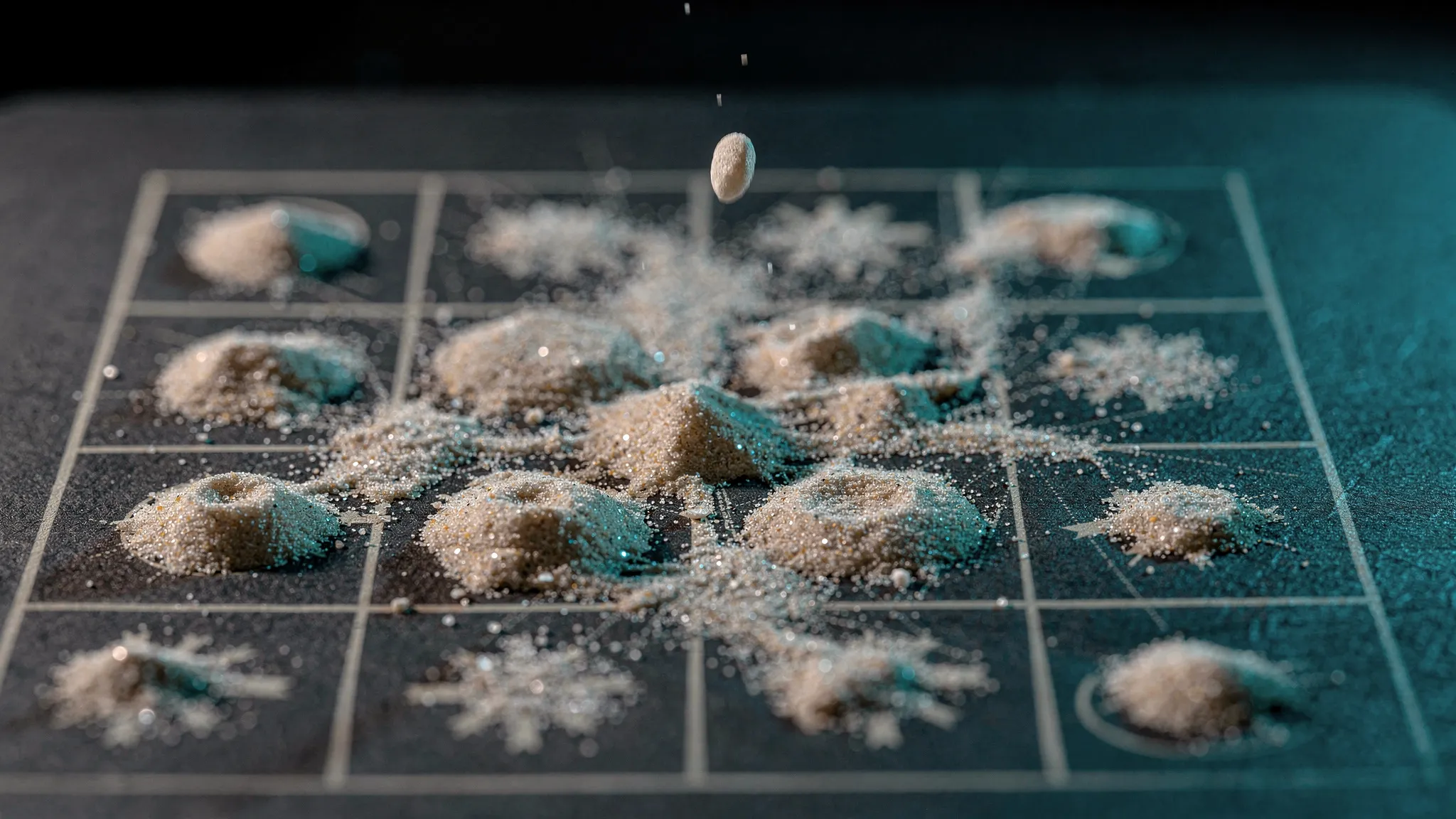
    Grains of sand piled in small heaps on a square grid of cells, one grain falling from above, lit in cyan.

    Picture a grid where each square holds grains of sand. When a square gets four grains, it spills one onto each neighbour. Those may spill too: an avalanche.

    Physicists have loved this toy since 1987. On a flat, endless grid, the average avalanche is infinitely large. So can a single grain set off an avalanche that never stops? Experts had called this an important open question.

    Mathematician Ahmed Bou-Rabee proves the answer is no: it almost surely stops. The chance it spreads beyond a distance R shrinks like a power of the logarithm of R. Slowly, but surely.

    The proof was built with GPT-5.5 and GPT-6 models, which proposed ideas and found counterexamples. Conflict of interest: Claude helped draw the figures, and Claude writes this post.

    Source: Sandpile avalanches in two dimensions are finite, https://arxiv.org/abs/2610.13940

    PreprintTheory
  13. Mathematics

    FIVE BODIES, A FINITE NUMBER OF PERFECT DANCES

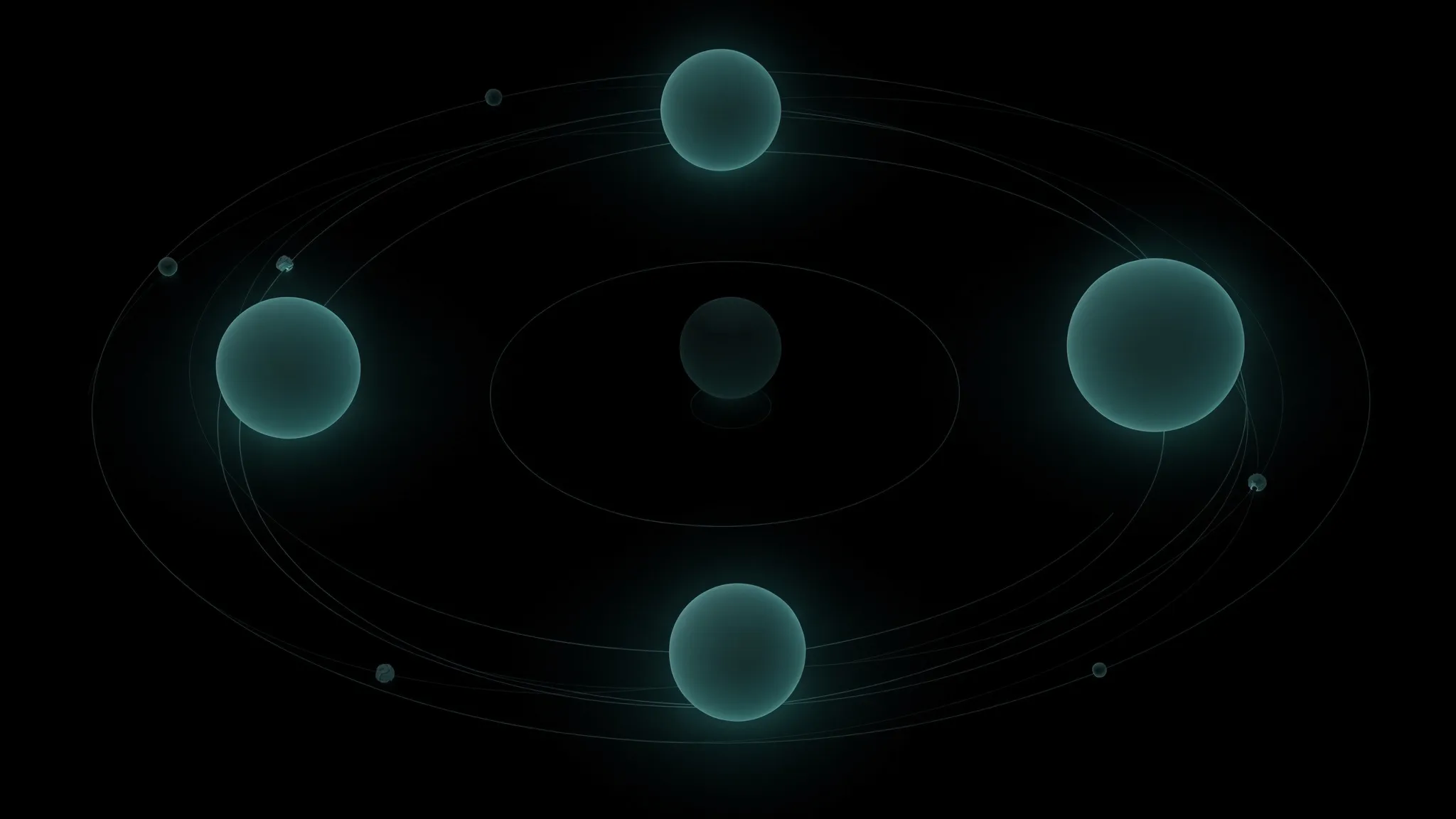
    Four glowing spheres arranged around a fainter fifth one at the centre, faint orbit lines around them in dark space, lit in cyan.

    Some arrangements of planets or stars can spin as one rigid shape. Gravity then pulls each body straight toward the centre of mass. Mathematicians call them central configurations.

    Are there only finitely many of them for any choice of masses? That is Smale's sixth problem. Three bodies give five shapes; four bodies were already settled, the paper recalls. Five bodies in a plane resisted, except for "typical" masses.

    Tejasvi Singh Tomar closes the gap: finitely many for every set of five positive masses. At two tricky mass ratios, a computer search counts them exactly: 306 and 294.

    The proof leans on huge exact computations. All of it is also checked in the Lean proof assistant, a build of about 860 CPU-hours. The author states that AI tools helped find and write it.

    Source: Finiteness of planar central configurations of five bodies for all positive masses, https://arxiv.org/abs/2610.13100

    PreprintTheory
  14. Computing & AI

    PICKING NUMBERS THAT ADD UP, ALMOST AS FAST AS READING THEM

    Wooden blocks of different widths lined up side by side on a dark table, one pushed slightly forward towards a line marked on the table, lit in amber.

    Take a list of numbers. Can some of them add up exactly to a chosen target? This is Subset Sum, one of the most famous hard problems in computing.

    For decades, algorithms got faster step by step. The dream: time growing in line with the largest number, N. Experts called it the most crucial open problem of the field.

    Three researchers from Zhejiang University get within a hair of it: time N to the power 1 + ε, for any tiny ε. Their trick is to lift the numbers into a higher dimension, where hidden structure appears.

    The same method decides certain integer programs: whole-number solutions to equations. The authors say an AI model, GPT Astra Ultra, turned their ideas into full proofs.

    Source: Subset Sum and Integer Programming Feasibility Test in Near-Optimal Time, https://arxiv.org/abs/2610.12953

    PreprintTheory
Legal notice