Edition of November 10, 2026

  1. At The Knowledge Frontier, we pick out the research papers of the day and explain them simply.

    The web has changed in nature. We no longer search, we scroll. Pages look alike, texts are churned out, and we end up reading a great deal without keeping any of it. Educating yourself there has become a strangely passive affair.

    Here, you do more than read. Every article ends with a quiz: a few questions on what you have just read. When the subject lends itself to it, it is an experiment — you set the values yourself and recover, in turn, the researchers' result.

    @VirScience
  2. Physics

    TWO GOLD BEADS, TEN ATTONEWTONS OF GRAVITY

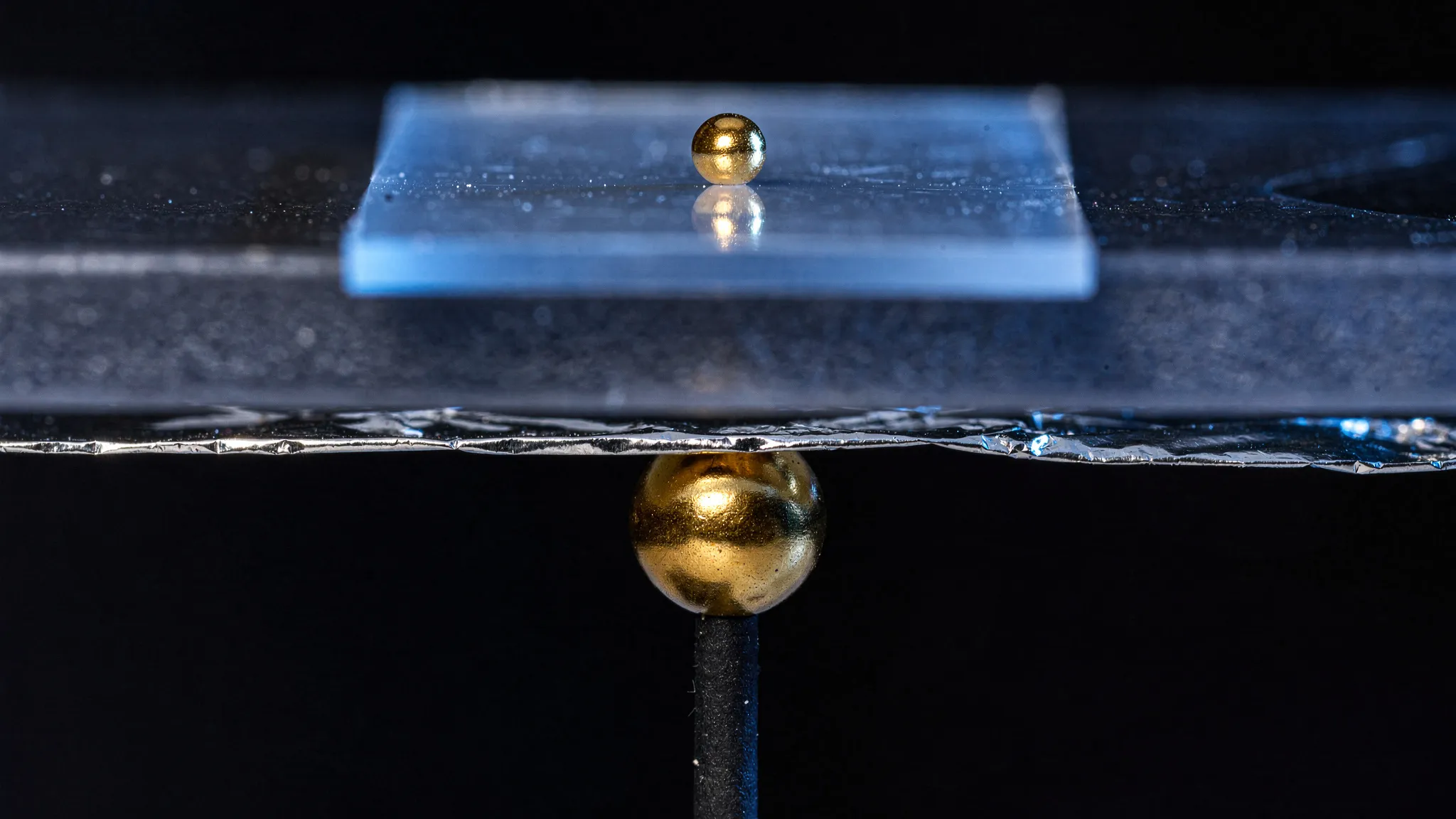
    A tiny gold bead on a thin transparent square plate, a flat sheet of foil just below it, and a larger gold sphere on a dark rod beneath the foil, in blue light.

    Gravity rules galaxies, yet between tiny objects it is almost impossible to measure. Physicists want to know if gravity is quantum. Testing that needs very small masses, watched very closely.

    In Finland, a team glued a 1.3-milligram gold bead onto a vibrating membrane. Below it, behind shields, an 87-milligram gold bead moves up and down. It swings 2,139 times per second.

    Everything sits in a fridge, a quarter of a degree above absolute zero. The rhythmic pull they measured: about 10 attonewtons. That is ten billionths of a billionth of a newton.

    How do they know it is gravity? The force fades with the cube of the distance, as Newton predicts here. Next goal: two masses in quantum states, pulling on each other.

    Source: Quantum-enabled measurement of gravitational forces at the milligram scale, https://arxiv.org/abs/2611.08619
    PreprintExperiment🧪 Experiment
  3. Space & astronomy

    A WHITE DWARF THAT EXPLODED IN A HURRY

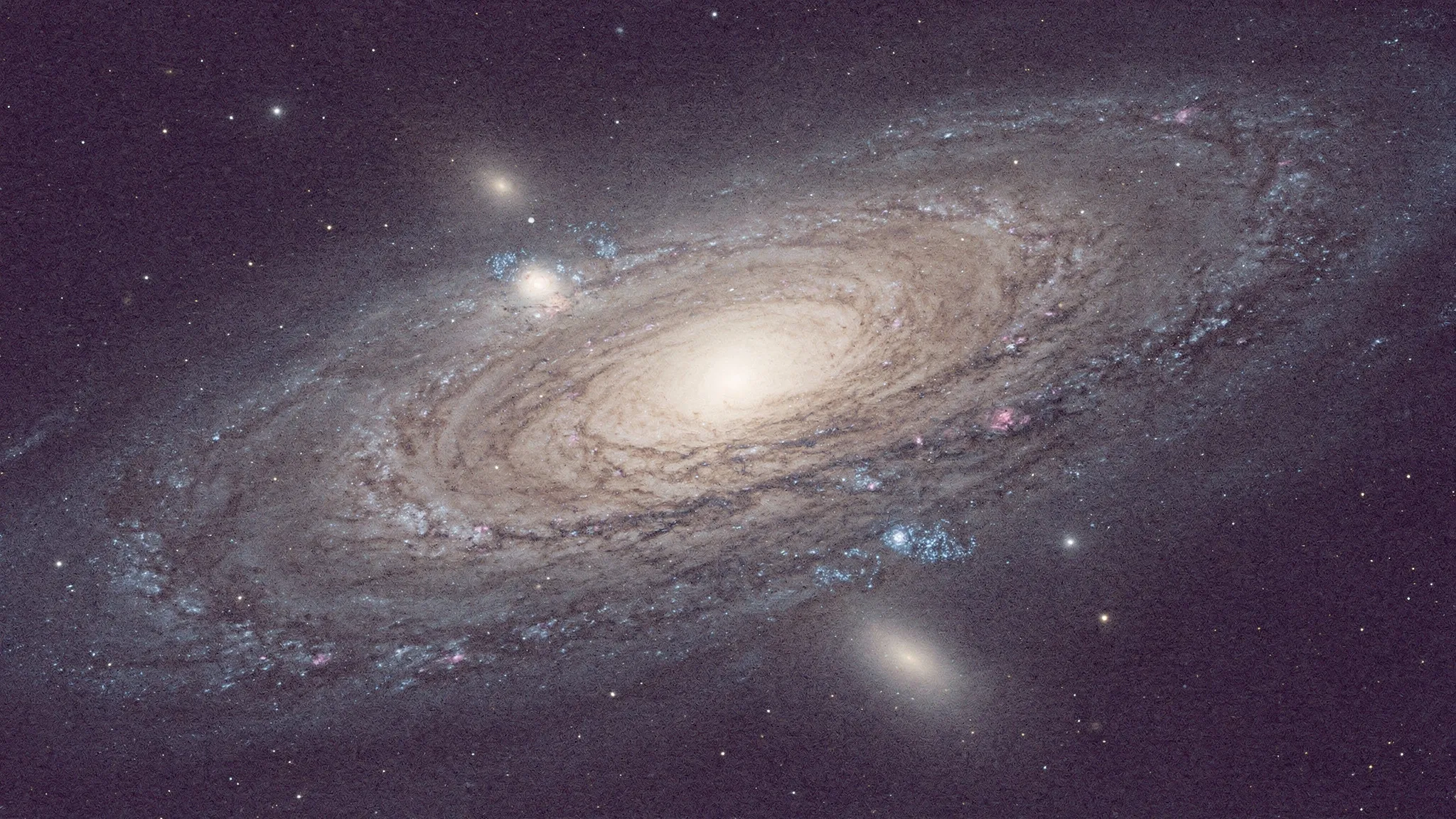
    A spiral galaxy seen through a telescope, with a bright compact spot in one of its arms among small knots of blue stars.

    A Type Ia supernova is an exploding white dwarf, the core of a dead star. It orbits in a pair with another star. Astronomers use these blasts as yardsticks for the Universe.

    How long after the stars are born does the blast come? Often billions of years. A much faster group was only suspected, from statistics averaged over whole galaxies.

    On 2 November 2026, one exploded in the nearby galaxy NGC 1433. Old images from the Hubble and Webb telescopes show two star clusters beside it. Both are under 100 million years old.

    A chance alignment? Only about 0.4% likely, the team estimates. Suppose the younger cluster is the birthplace. Then the explosion followed the white dwarf's birth almost at once.

    Source: SN 2026ahvu in NGC 1433 May Be a Prompt Type Ia Supernova with a Delay Time Under 100 Myr, https://arxiv.org/abs/2611.09875

    PreprintObservation❓ Quiz
  4. Physics

    SUPERCONDUCTIVITY'S ELECTRON PAIRS, CAUGHT LEAVING TOGETHER

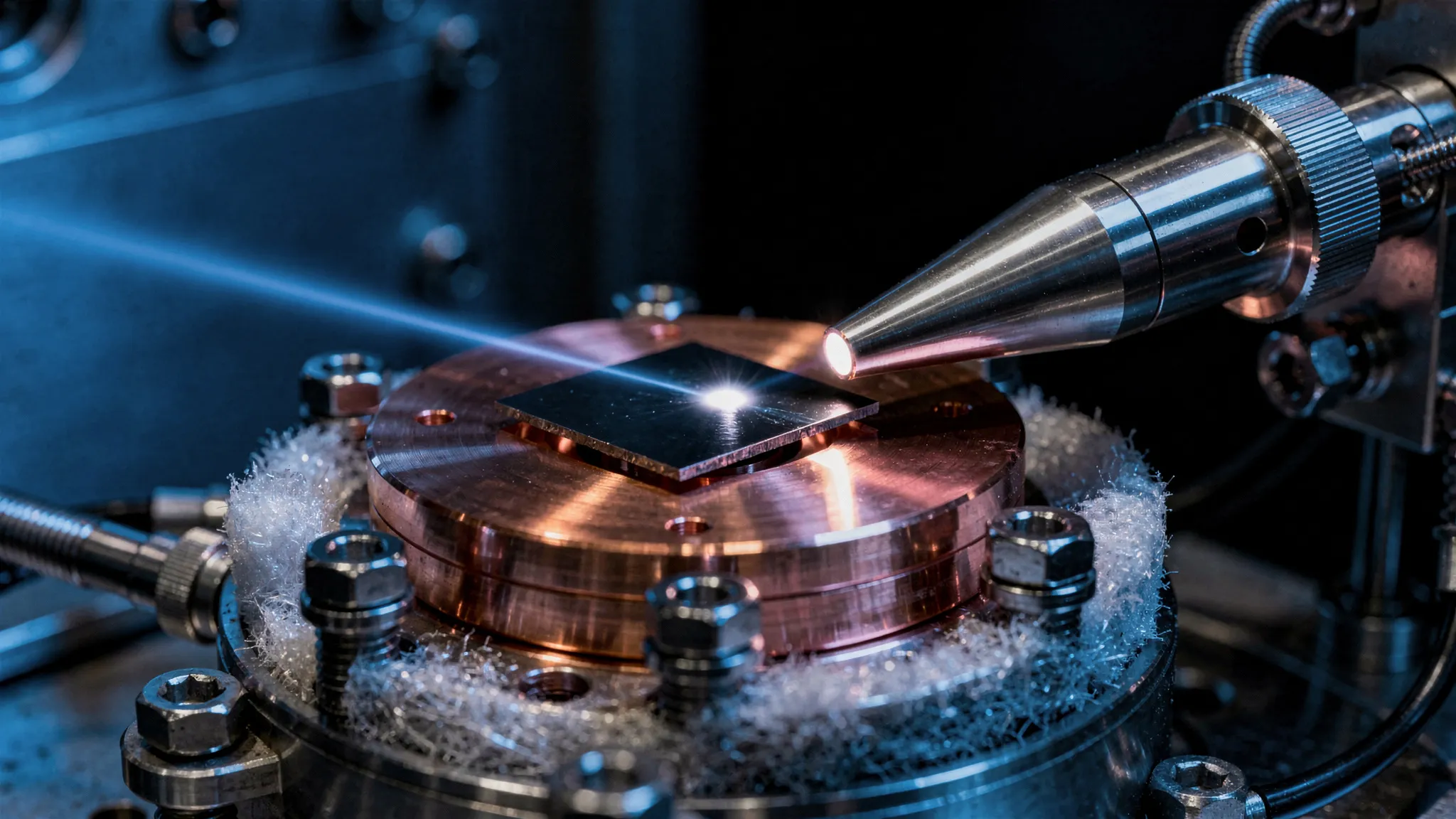
    A small dark square crystal on a polished copper holder, struck by a thin beam of light, with a cone-shaped metal instrument pointing at it, in blue light.

    Superconductors carry electric current with no resistance at all. Their secret: electrons bound in pairs, called Cooper pairs. Yet our best probes knock electrons out one at a time.

    A team in Illinois fires single ultraviolet photons at a copper-oxide superconductor crystal. Sometimes one photon frees two electrons at once. Two detectors catch both from the same laser pulse.

    At 8.5 kelvin, a sharp peak appears. It marks pairs leaving with zero binding energy and zero total momentum. At 200 kelvin, far above the transition at 93 kelvin, it is gone.

    Surprise: cooling widens how the two electrons share their energy. Neither the instrument nor ordinary heat blurring explains it. Collective motions of the electrons inside the superconductor may be at work.

    Source: Energy- and momentum-resolved Cooper-pair emission from a cuprate superconductor, https://arxiv.org/abs/2611.09857

    PreprintExperiment❓ Quiz
  5. Physics

    WATCH A QUANTUM PARTICLE TOO OFTEN AND IT NEVER ARRIVES

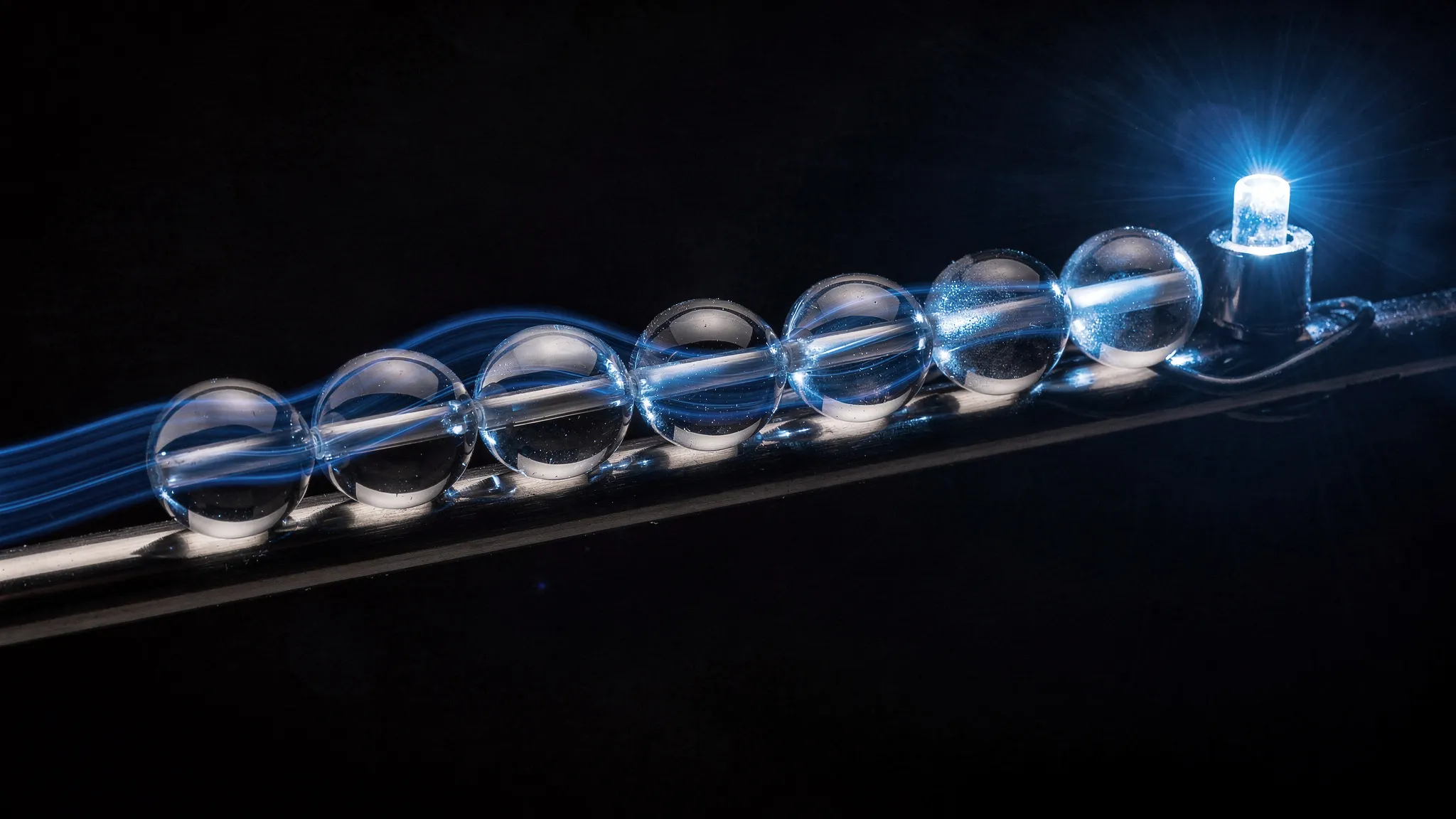
    A row of seven clear glass beads on a dark rail, a glowing blue wave of light reaching them from the left and a small bright lamp just after the last bead.

    When does a quantum particle reach a detector? After nearly a century of theory, there is still no agreed answer. Quantum mechanics predicts positions, not arrival times.

    Physicists in Finland turned the question into a circuit on an IBM quantum processor. A particle starts at one end of a row of seven qubits. The last qubit is checked at regular intervals.

    Check too often, and the particle barely arrives: the quantum Zeno effect. Check too rarely, and arrival swings up and down with the rhythm. The sweet spot sits near three time units.

    The same best rhythm holds with two or three interacting particles. Even on a 4 × 4 grid, frequent checks still stall arrival. To the team's knowledge, such distributions had never been measured.

    Source: Arrival-time problem in the quantum information era – observation of a Zeno crossover in monitored arrival-time distributions, https://arxiv.org/abs/2611.09814

    PreprintExperiment❓ Quiz
  6. Computing & AI

    THE SPEED LIMIT FOR FINDING CLIQUES FALLS AFTER 40 YEARS

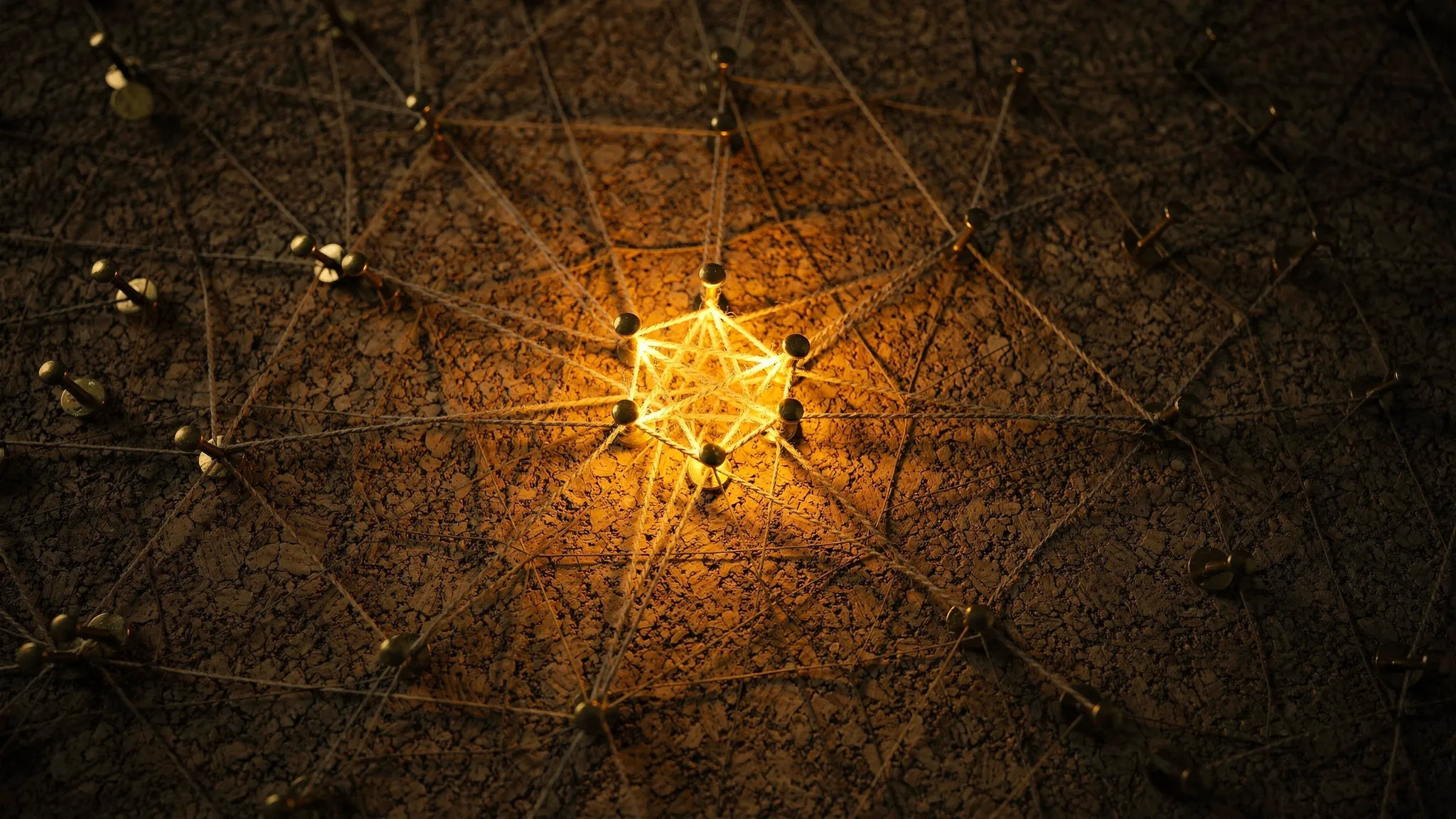
    Brass pins on a dark cork board joined by thin threads, a central cluster of pins all linked to one another by glowing threads, in amber light.

    In a big network, find k people who all know each other: a "clique". Checking every possible group of k becomes hopeless as the network grows.

    In 1985, a clever trick turned the search into multiplying big tables of numbers. For more than 40 years, nobody beat it. Many results in computer science were built on the belief that nobody ever would.

    Virginia Vassilevska Williams (MIT) and Or Zamir (Tel Aviv) now beat it for large groups. Their gain holds even if table multiplication becomes as fast as it can possibly be.

    They credit a key lemma almost entirely to ChatGPT-6, distilled from a recent OpenAI result. The speed-up is tiny. Still, a limit believed in for decades is now dead.

    Source: The k-Clique hypothesis is dead, for good, https://arxiv.org/abs/2611.09764

    PreprintTheory❓ Quiz
  7. Mathematics

    THE HIDDEN MAP OF CHESS OPENINGS

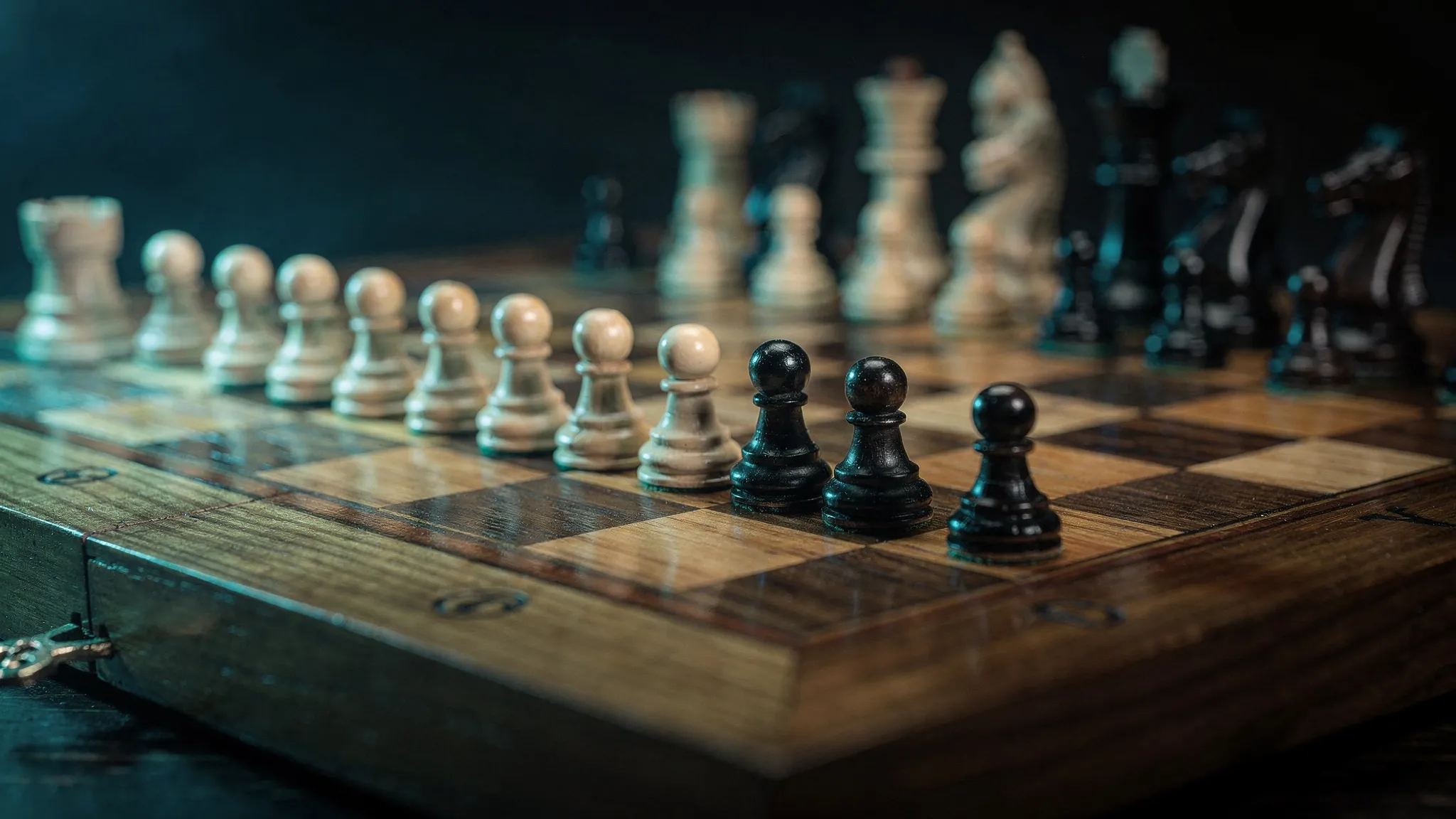
    A wooden chessboard seen from a low angle, a long row of white pawns followed by three black pawns, other pieces blurred behind them, in dim light.

    Chess openings carry hundreds of names: Sicilian, French, Ruy Lopez. An open catalogue lists 3,810 variations. But do these names really describe the positions that appear on the board?

    Two physicists start from a simple rule. Pawns never move backwards, so they form the slow skeleton of a game. Knights, bishops, rooks and queens reorganize quickly on top of it.

    After five moves each, 149 different White pawn shapes appear. Linked by single pawn moves, 139 of them form one network, covering 98% of positions. It splits into eight regions that match familiar formations.

    The idea for players: pick the kind of position you enjoy, not a family name. Then look for every opening that leads there, whatever it is called.

    Source: Slow structures, fast degrees of freedom, and the morphology of chess openings, https://arxiv.org/abs/2611.09710

    PreprintData analysis❓ Quiz
  8. Physics

    WHAT DRAINS A STATIC BALLOON? THE RADON IN THE ROOM

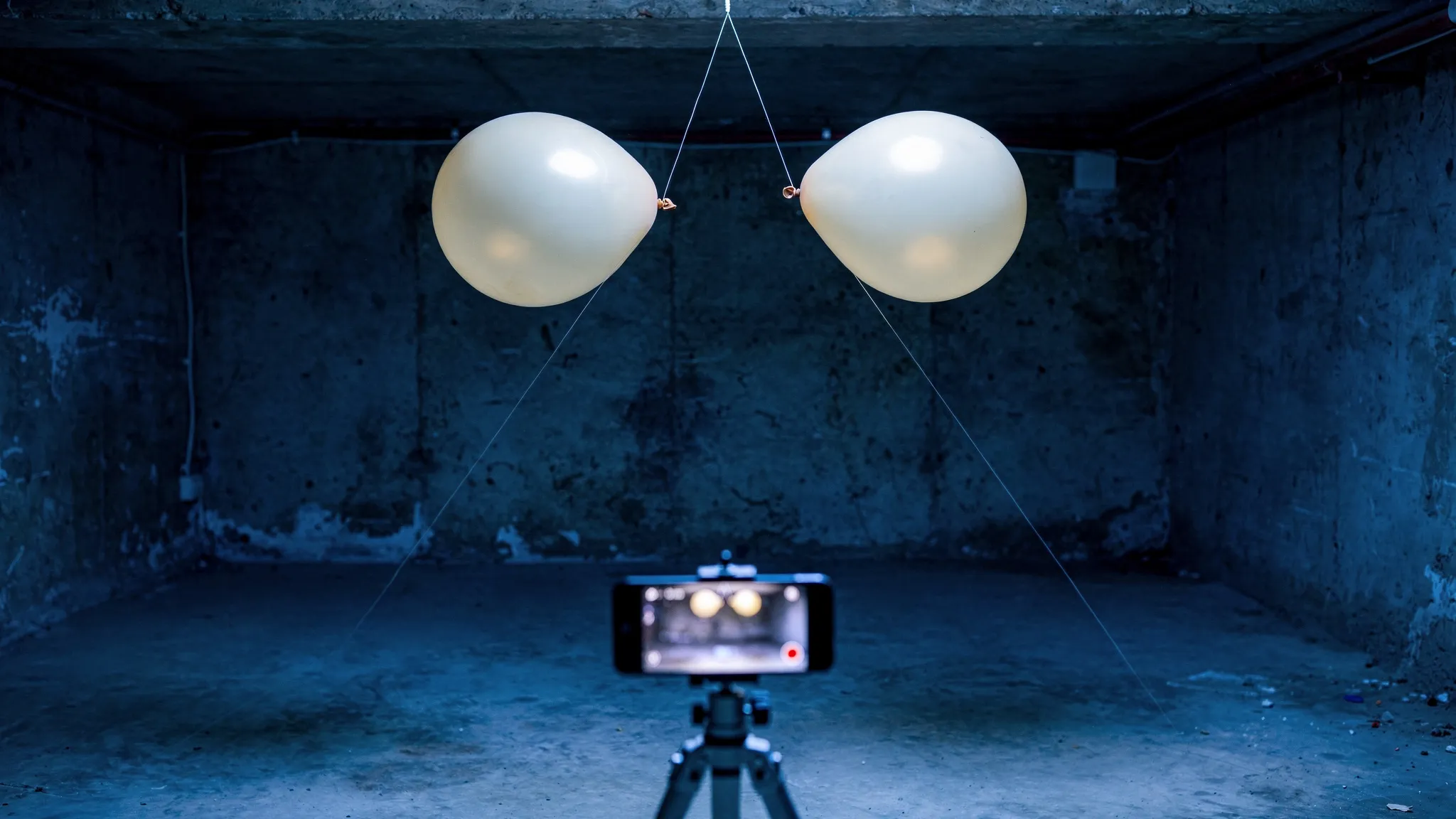
    Two pale balloons hanging from one point on the ceiling of a dark concrete basement, their thin strings spread in a V so the balloons stay apart, a smartphone on a tripod filming them, in blue light.

    Rub two balloons with fur and they repel each other. Little by little, the two drift back together. Where does their electric charge go?

    The air we breathe carries radioactive radon. Each decay creates hundreds of thousands of charged air molecules, called ions. A physicist in Alaska filmed two charged balloons for an hour with a smartphone.

    The charge leaks fast in the first minutes. In humid summer air, it leaks three times faster than in winter. Water ions escaping from the balloon's surface are the likely culprit.

    After an hour, the leak matches what the radon measured in the room predicts. The biggest charges sweep up almost every small positive ion created in the room. A balloon doubles as a radiation detector.

    Source: How balloons lose their charge by collecting ions from the air, https://arxiv.org/abs/2611.08521

    PreprintExperiment❓ Quiz
  9. Space & astronomy

    AN ASTEROID ON THE EDGE OF VENUS'S ORBIT

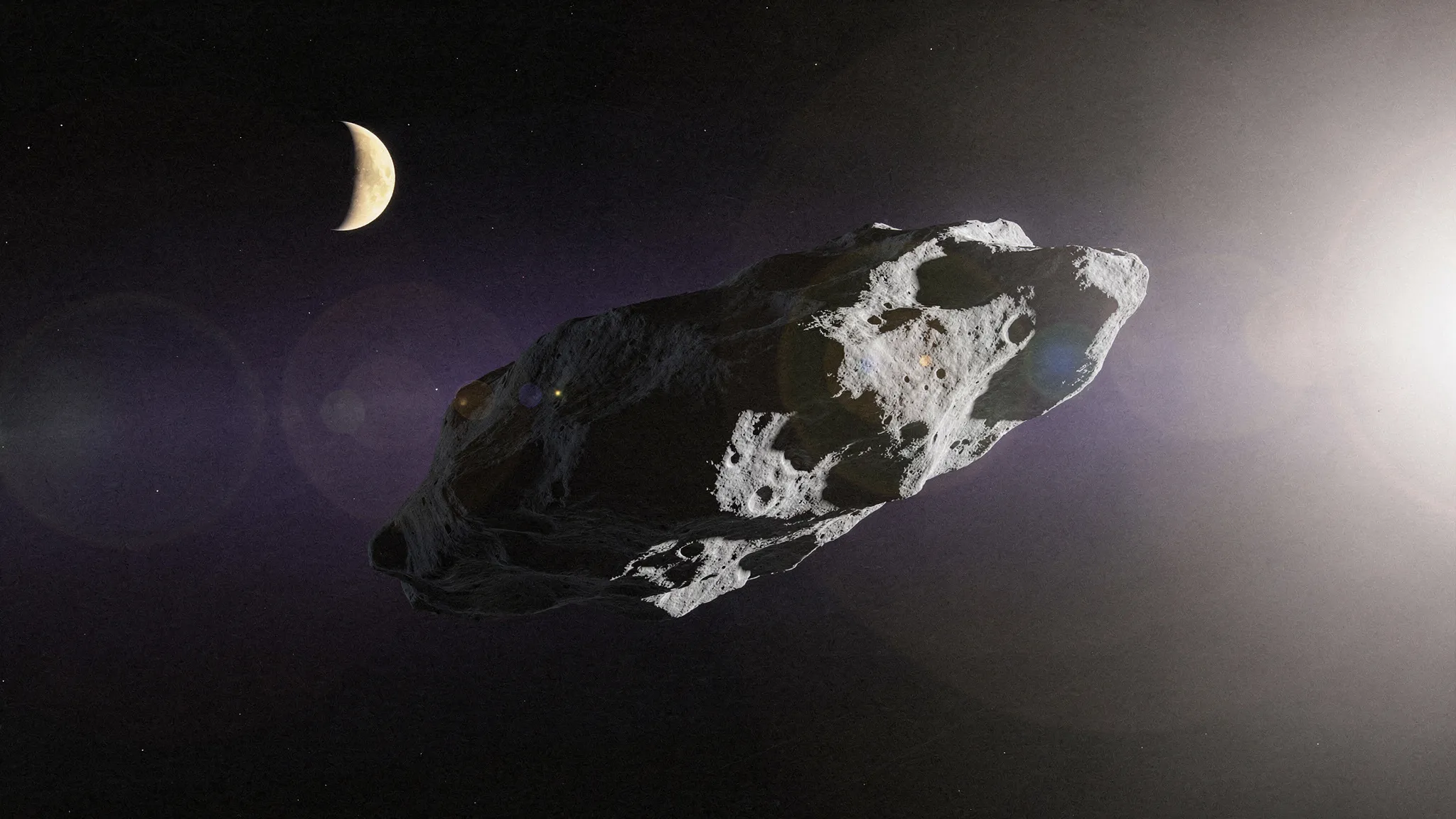
    A grey rocky asteroid in space near the glare of the Sun, a pale crescent planet in the distance, against a dark sky.

    Some asteroids never leave the inner Solar System. A handful stay closer to the Sun than Earth ever goes. Rarer still are those that never go beyond Venus.

    2025 SC79, found in September 2025, sits right on that border. Its farthest point lies just past the closest point of Venus's orbit. The Keck and VLT telescopes caught it again in October 2026.

    Its colours suggest basaltic rock, perhaps from the family of the asteroid Vesta. It is probably about 380 metres wide. It probably escaped from the inner asteroid belt.

    The team followed 10,000 virtual copies of its orbit for five million years. They keep crossing the Venus border, back and forth. And about 15% of them end up crashing into Venus.

    Source: VLT and Keck recovery and characterisation of 2025 SC79: linking 'Ayló'chaxnim and Atira asteroids, https://arxiv.org/abs/2611.09884

    PreprintObservation🧪 Experiment
  10. Physics

    THE ISLAND OF STABILITY MAY HAVE NO SUMMIT

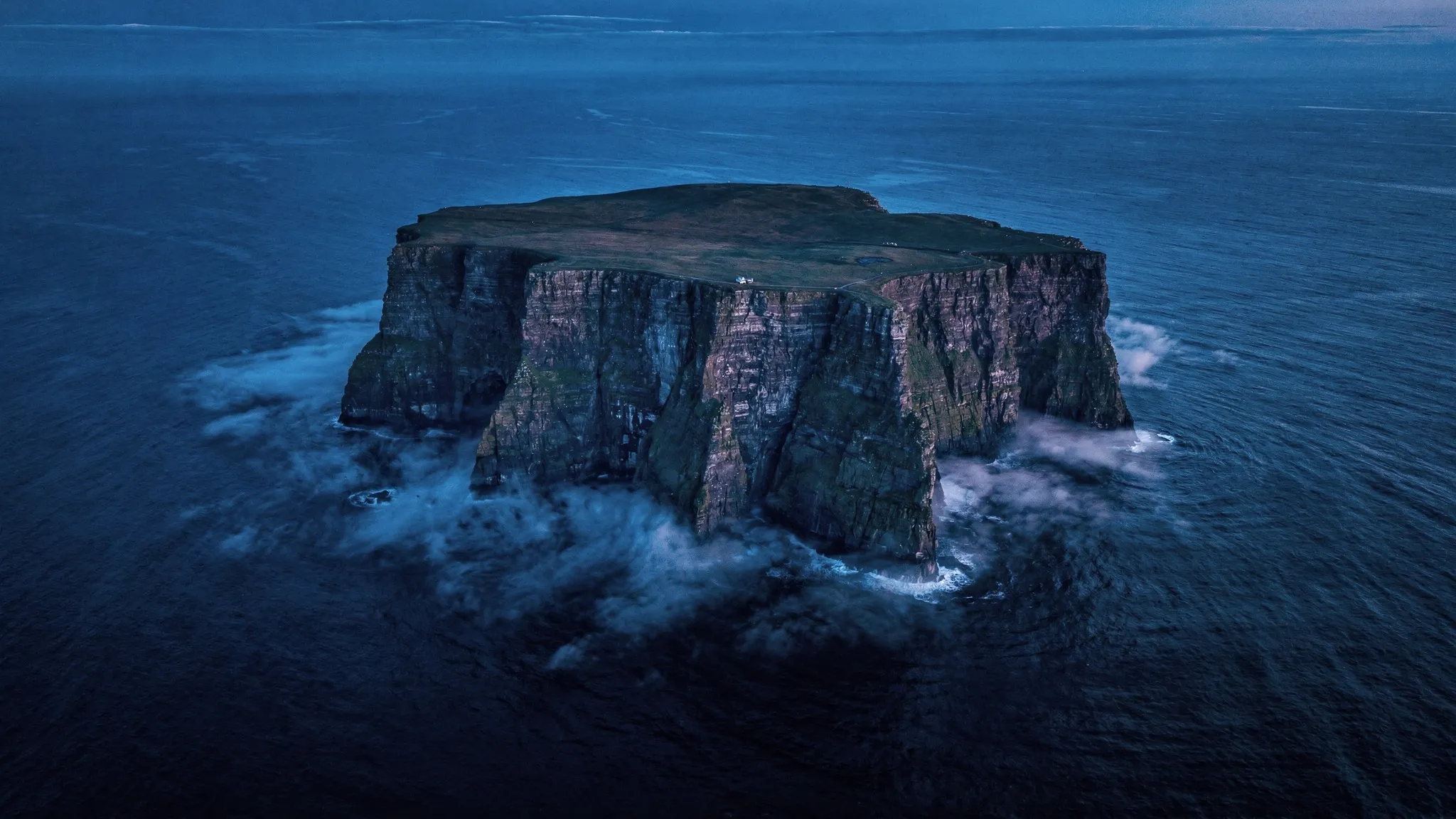
    A flat-topped island with steep cliffs rising from a calm dark sea, mist at its base, in blue dusk light.

    Laboratories have made every element up to number 118. Teams are now chasing 119 and 120. Making such elements takes months of beam time for a handful of atoms.

    Theory has long promised an "island of stability". Nuclei with 120 protons and 184 neutrons, both "magic" numbers, should resist splitting best.

    A team in Beijing and Dubna computed the fission barriers of 292 superheavy nuclei. A barrier is the energy a nucleus needs to break apart. Around the magic nucleus, it stays near 5 million electronvolts: a plateau, not a peak.

    The reason: inside that nucleus, protons and neutrons spread out differently. Their two magic numbers weaken each other instead of adding up. Survival estimates for new elements will have to account for it.

    Source: Flat "Island of Stability" of Superheavy Nuclei, https://arxiv.org/abs/2611.09099

    PreprintSimulation❓ Quiz
  11. Chemistry

    ICE SEEDS THAT MULTIPLY INSIDE A GLASS

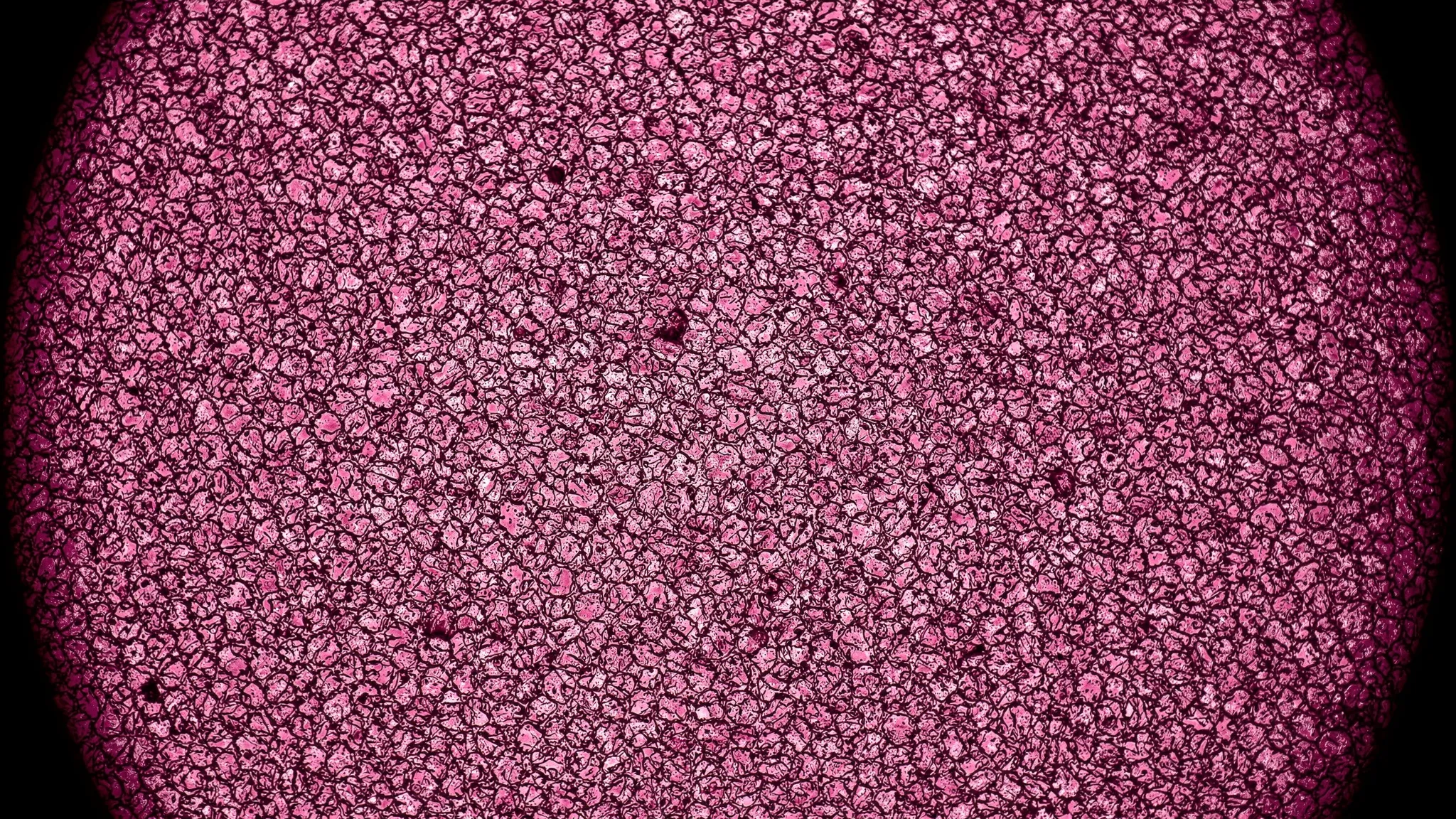
    A round microscope view filled with small magenta grains packed together like a mosaic, separated by fine dark lines.

    Cool some liquids fast enough and they become a glass instead of a crystal. Below that glass transition, theory says, new crystals can barely start, because molecules hardly move.

    A team in Japan studied a biocompatible polymer swollen with about 10% water. They chilled it to various low temperatures. Then they warmed it slightly so that any ice could grow.

    Surprise: the colder they went below the glass transition, the more ice seeds appeared. Their formation peaked about 10 kelvins below it, where theory expected it to be fading.

    This may explain an old puzzle of materials science. Such liquids avoid freezing as they cool, yet crystallize readily when warmed again. The seeds were sown in the cold, waiting for molecules to move again.

    Source: Increased Crystal Nucleation in the Glassy State of a Polymer/Water Mixture, https://arxiv.org/abs/2611.09456

    PreprintExperiment❓ Quiz
Legal notice