Edition of October 20, 2026

  1. At The Knowledge Frontier, we pick out the research papers of the day and explain them simply.

    The web has changed in nature. We no longer search, we scroll. Pages look alike, texts are churned out, and we end up reading a great deal without keeping any of it. Educating yourself there has become a strangely passive affair.

    Here, you do more than read. Every article ends with a quiz: a few questions on what you have just read. When the subject lends itself to it, it is an experiment — you set the values yourself and recover, in turn, the researchers' result.

    @VirScience
  2. Computing & AI

    AI FACES ARE TOO BEAUTIFUL, AND REAL PEOPLE PAY FOR IT

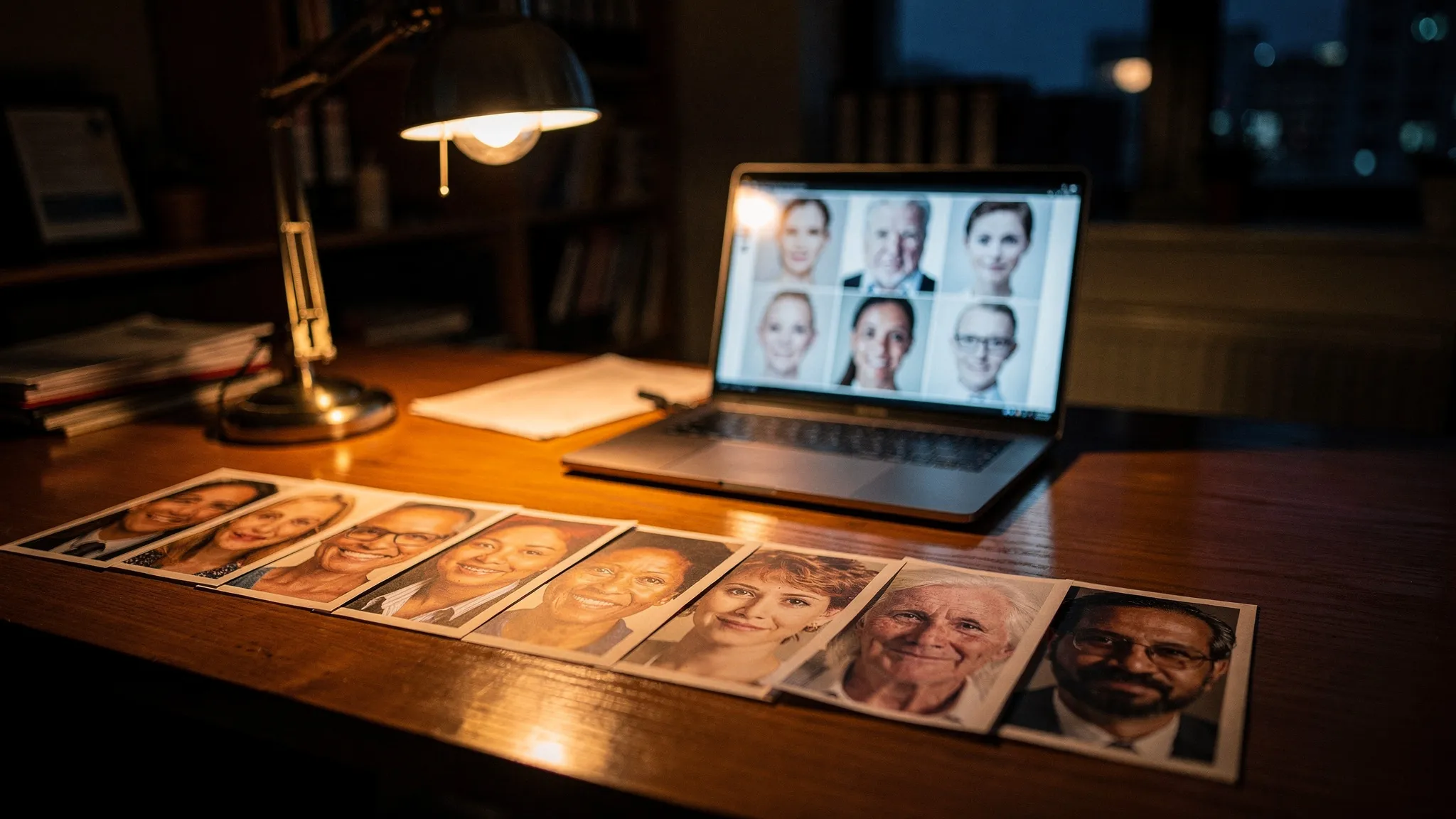
    A row of printed portrait photos of ordinary people laid out on a desk under an amber lamp, in front of a laptop screen showing a grid of faces.

    Ask an AI for "a nurse" or "a lawyer". You never mention looks. A Cornell-led team did this with 27 image generators, producing 51,300 faces.

    In 550 people's ratings, all 23 generators with enough rated images beat real photos for attractiveness. Among faces prompted as women, 37% outscored the median fashion model on automated scores. Faces prompted as Nigerian, Black or Ethiopian scored lowest.

    Then 570 people screened job applicants. Some first saw very attractive AI faces. Afterwards they rated the same real candidates less hireable and less trustworthy. Fewer got an interview: 72.5% against 77.4%.

    Classic photo retouching changed nothing. The authors cannot yet say why the AI faces do. But synthetic people are filling ads, websites and stock images.

    Source: Generative AI Produces and Transmits Beauty Bias, https://arxiv.org/abs/2610.22553
    PreprintExperiment
  3. Mathematics

    THE LONELY RUNNER FINALLY GETS SOME ELBOW ROOM

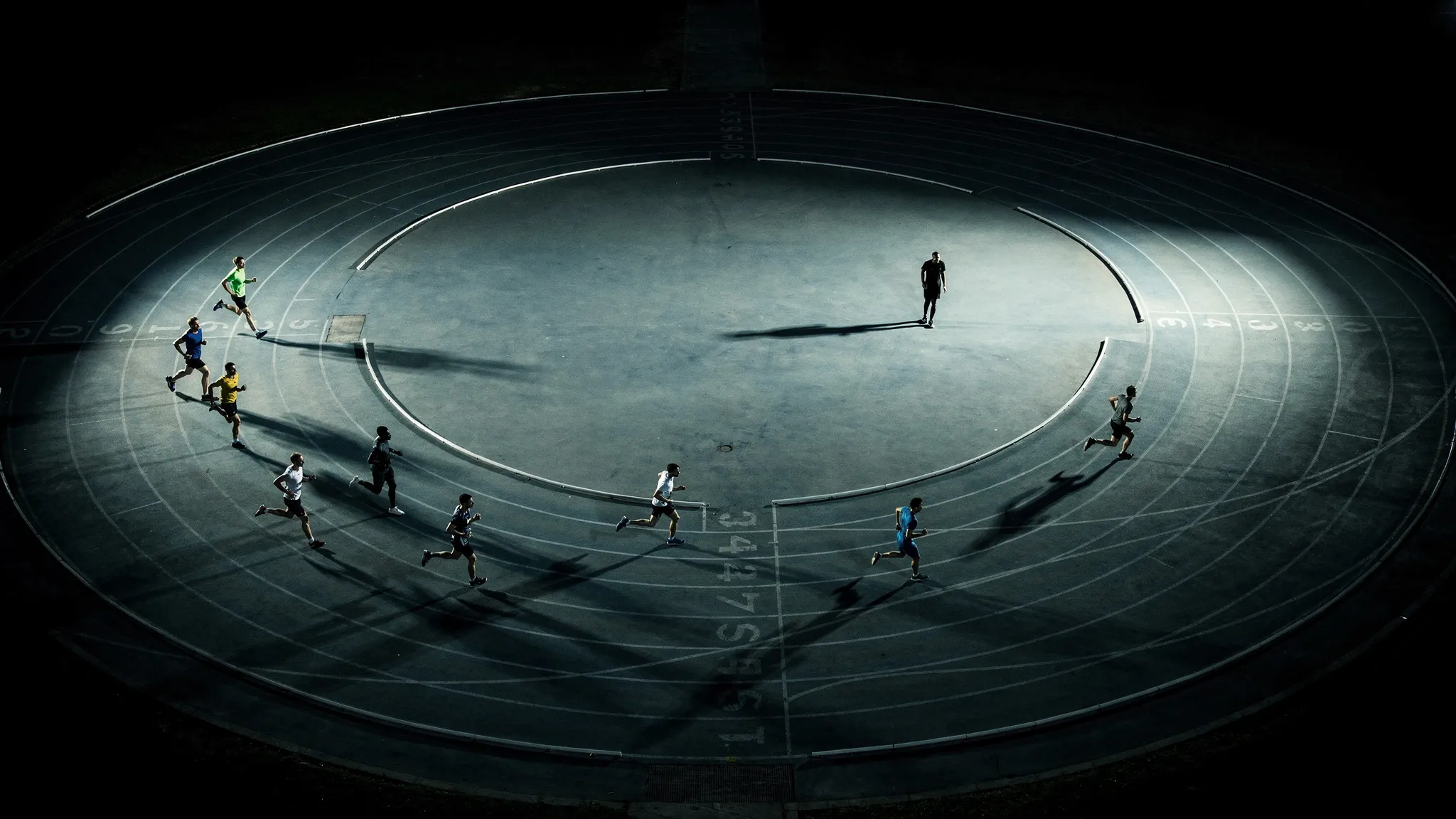
    Overhead night view of a floodlit oval running track, runners spread unevenly around the lanes, one figure standing alone in the infield.

    Picture several runners on a circular track. Same start, each at its own constant speed. Will each runner, at some moment, be far from all the others? That is the lonely runner conjecture.

    With n + 1 runners, it predicts a gap of at least 1/(n + 1) of a lap. A simple counting argument guarantees only half that. For decades, the gains over that easy bound shrank to nothing as runners were added.

    Xiyu Hu and Yifan Jing now prove a gain that never fades: a fixed fraction above the easy bound, for any number of runners. The tools: a new overlap inequality and arguments about common divisors.

    The authors used ChatGPT 6 to check and polish proofs. They write that the models could not improve the bound on their own.

    Source: Near optimal gap in the Lonely Runner Conjecture, https://arxiv.org/abs/2610.23790

    PreprintTheory🧪 Experiment
  4. Earth & climate

    CLIMATE MODELS: THIRTY YEARS OF COMPUTING, AND RAIN IS STILL HARD

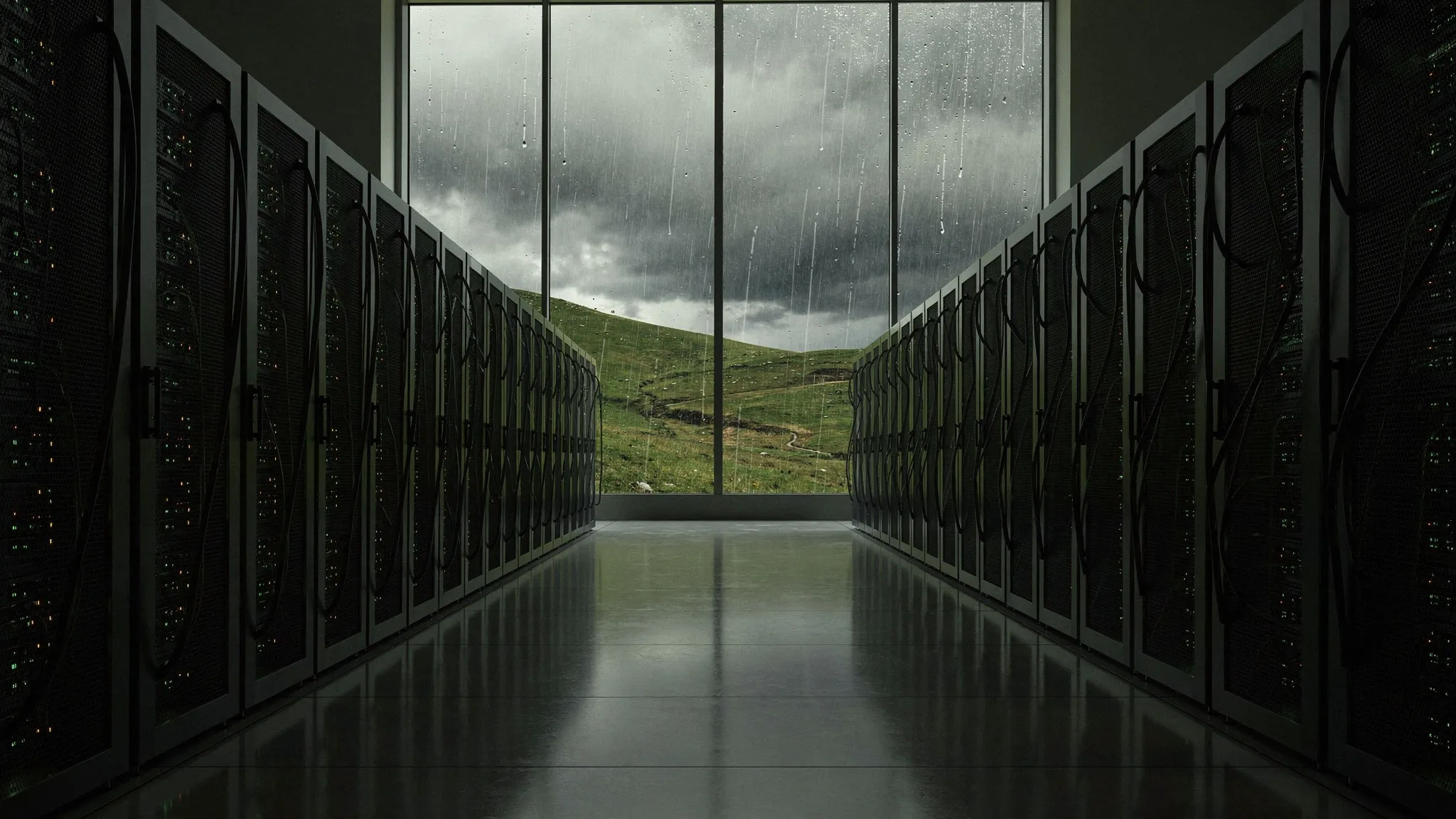
    A dark corridor between rows of supercomputer cabinets, ending in a tall window streaked with rain, showing grey storm clouds over green hills.

    Climate models run on some of the world's biggest supercomputers. But how much accuracy does each extra bit of computing buy? A team of 24 researchers checked 159 climate models built since 1995.

    Their answer is strikingly steady. Each doubling of computing has cut model error by about 13.5%. Halving today's error would take roughly 28 times more computing.

    The gains are uneven. Since the first generation, errors in air pressure fell 3.5-fold and in surface temperature 2.7-fold. Errors in rainfall fell by only 7%.

    AI weather models now match the best forecasts. Yet none publishes its measured energy. Count training, and one of them drops from second to last in efficiency. The team calls for energy to be reported alongside accuracy.

    Source: Energy-Aware Earth System Science: A Community Roadmap, https://arxiv.org/abs/2610.23216

    PreprintData analysis🧪 Experiment
  5. Mathematics

    COUNTING RECORDS TELLS YOU NOTHING ABOUT THE BIGGEST ONE

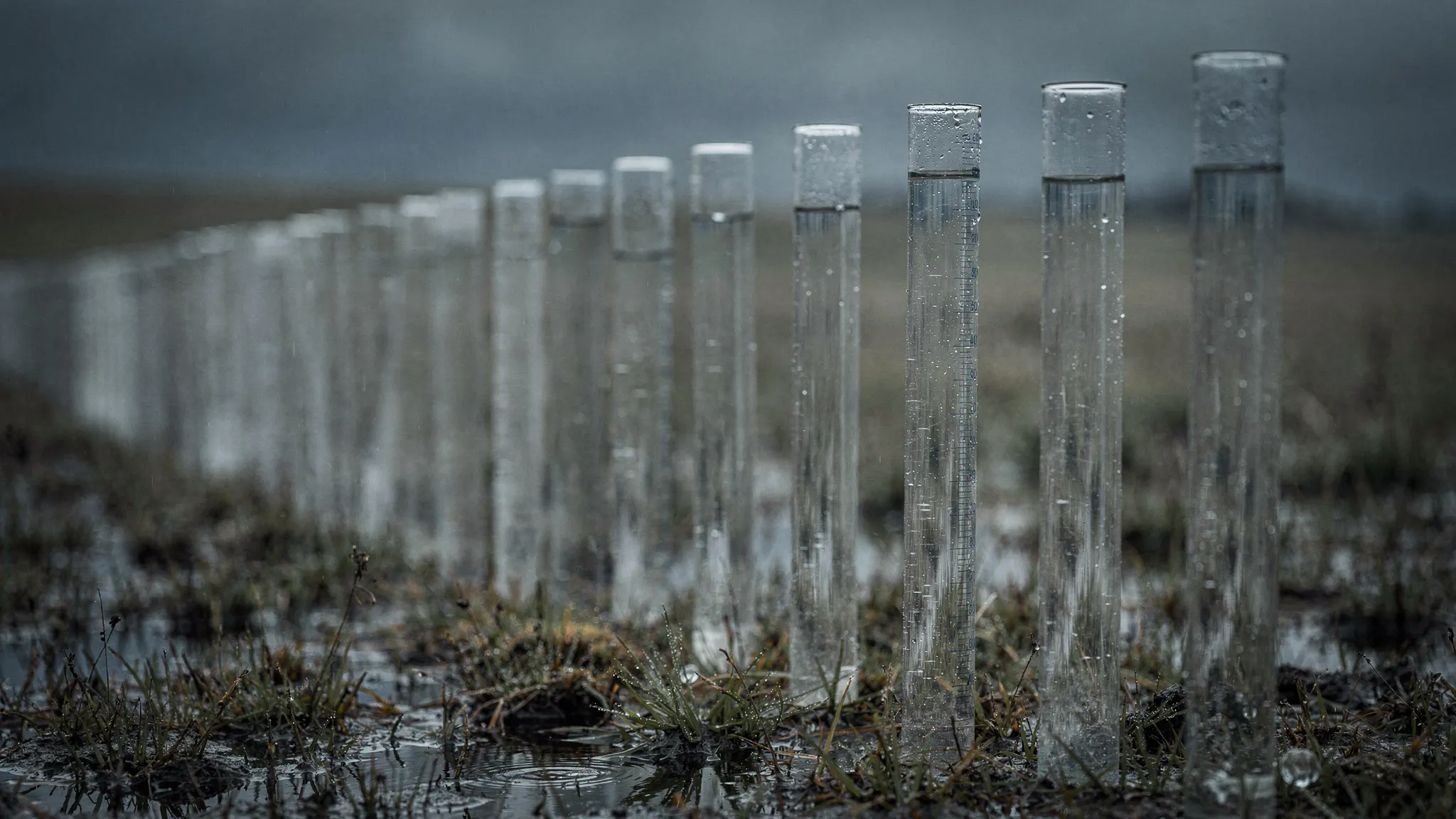
    A long row of tall glass tubes standing upright in a waterlogged meadow under an overcast sky, rain dripping down their sides.

    Track daily rainfall and note each record: a day wetter than all before it. Many records should mean a high final peak, surely? Three physicists checked with exact maths.

    For random values drawn from any smooth distribution, the answer is no. The number of records and the highest value are completely unrelated. Knowing one tells you nothing about the other, at any length of series.

    Add dry days, with zero rain, and a link appears. Above a critical share of dry days, it first grows, then fades. Below it, it only fades. The threshold has an exact formula.

    The team tested this on daily rain records from German weather stations. One group sat above the threshold, the other below. Both followed the predicted shape, with no parameter adjusted.

    Source: Emergence of Correlations Between Records and Maximum in Random Time Series, https://arxiv.org/abs/2610.23217

    PreprintTheory🧪 Experiment
  6. Physics

    ONE OAR AT THE STERN WORKS LIKE A WING

    A man standing in a small wooden rowing boat on a misty lake at dawn, seen from behind, working a single long oar in the water, ripples spreading around the hull.

    Stern-sculling is an old way to move a boat with a single oar. It rests in a notch at the stern, blade always underwater. The sculler's hands trace an infinity sign.

    A French team fitted a 4.7-metre boat with force gauges, motion sensors and a speed log. Two experienced scullers then pushed it from rest to top speed on calm water.

    During the side strokes, the blade works like a wing. Lift pushes the boat forward. At each turn, the blade's quick reversal shoves water backwards. All four phases of the stroke propel.

    Efficiency peaks near 65% at a moderate 1.2 metres per second. At 2 metres per second it falls to about 25%. The hull is then close to its critical speed, and waves eat the effort.

    Source: Hydrodynamics and propulsive efficiency of stern-sculling propulsion, https://arxiv.org/abs/2610.23444

    PreprintExperiment🧪 Experiment
  7. Space & astronomy

    RINGS THAT OUTSHINE THEIR PLANET

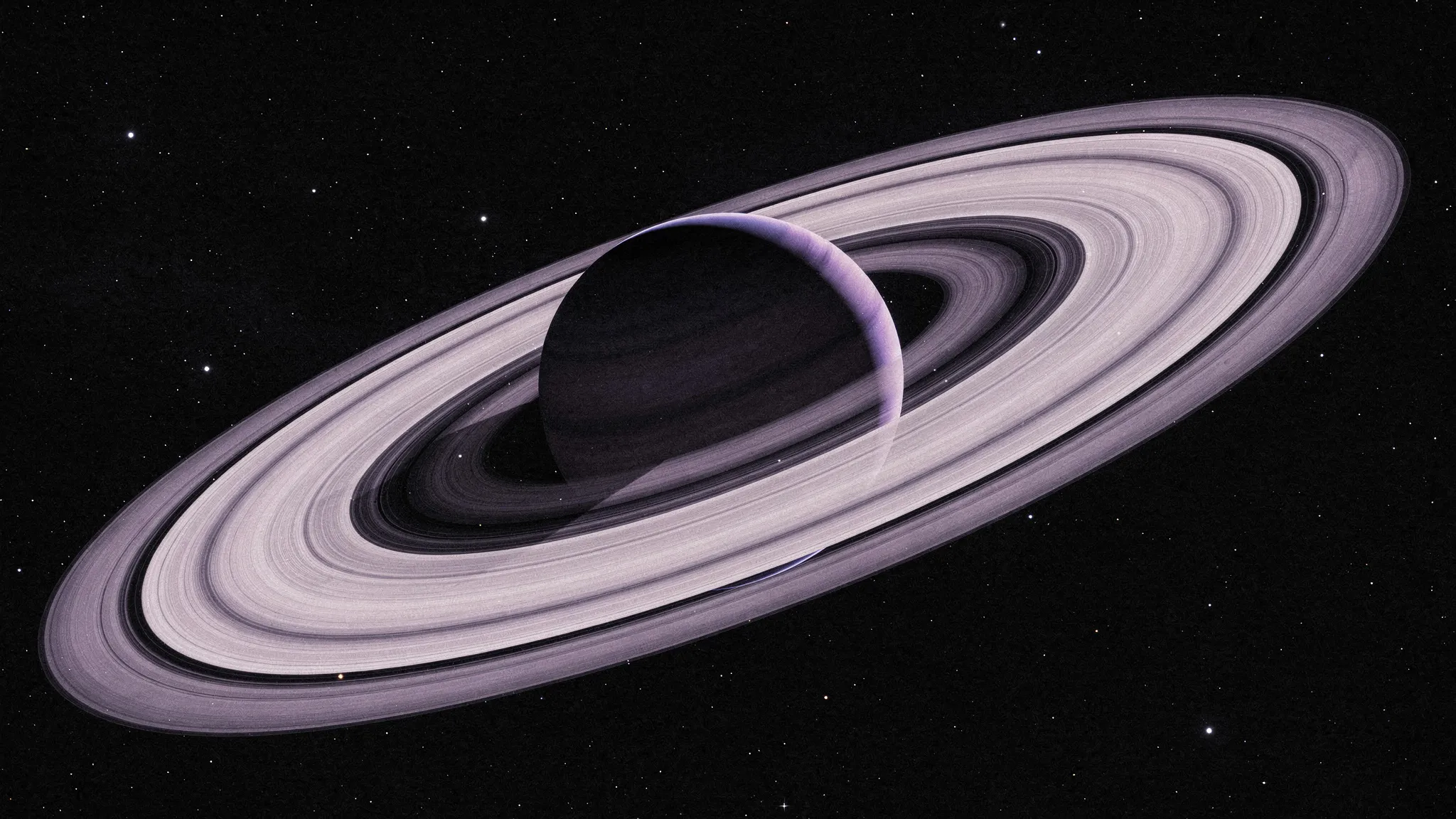
    A dark ringed planet in deep space, centred in a wide, tilted system of banded rings of pale violet light that shine far brighter than the planet itself, against a field of scattered stars.

    All four giant planets of our Solar System have rings. Yet no ring has ever been confirmed around a mature planet of another star. Are they rare, or just hard to see?

    The Roman space telescope carries a coronagraph that blocks starlight. It should see giant planets by the starlight they reflect. A University of Michigan team modelled what rings would add.

    Rings can be ten to a hundred times brighter than their planet. And they leave a fingerprint: four peaks and dips in brightness along the orbit, instead of two.

    The team simulated Epsilon Eridani b, a prime Roman target. Without a ring, it often sinks below detection. With one like Saturn's, it shines up to twice as bright and stays visible on almost its whole orbit.

    Source: Detecting Exoplanetary Rings with Roman CGI Reflected Light Phase Curve Observations, https://arxiv.org/abs/2610.23835

    PreprintSimulation🧪 Experiment
  8. Computing & AI

    THE POWER GRID'S HUM, A WITNESS AGAINST AI VIDEOS

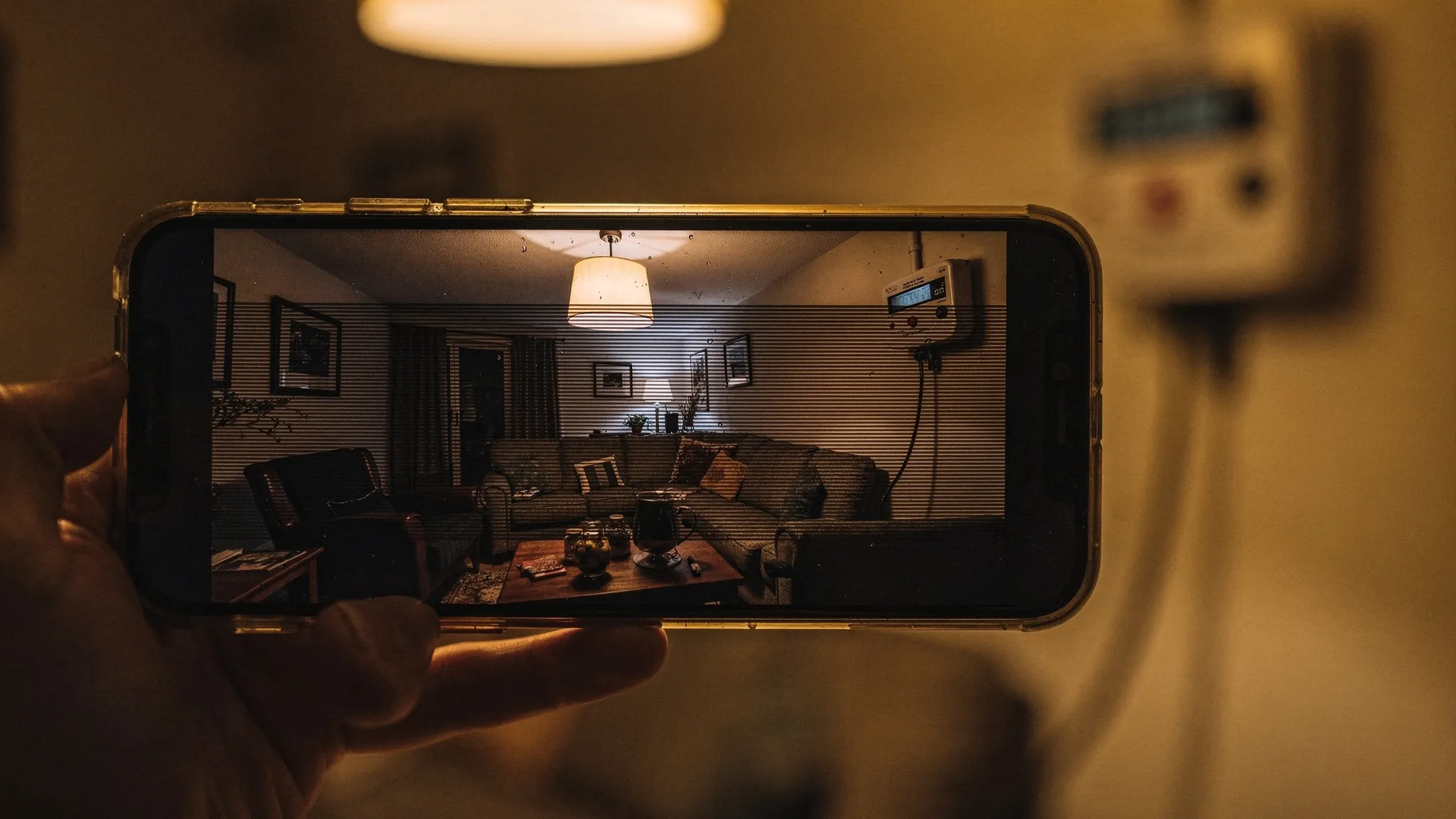
    A hand holding a smartphone that films a dim living room lit by a ceiling lamp; fine horizontal bands run across the image on the screen, an electricity meter blurred behind.

    Mains electricity runs at 50 or 60 hertz, but never exactly. Its frequency wobbles, the same way across a whole grid. Lamps flicker with it, and cameras record that flicker.

    Two researchers at Southampton Solent University hoped AI videos would lack this flicker. Surprise: generators reproduce it just as strongly as real footage. Its presence proves nothing.

    So they compare the wobble with an independent record of the grid. Their system accepted 93% of real audio clips and 100% of real videos. It can date a sound recording to about a second within a day.

    Two AI remakes of a real scene flickered at 60 hertz, where the claimed place runs at 50. The weak spot remains: a swapped face in genuine footage keeps a genuine hum.

    Source: An Agentic ENF Framework for Forensic Video Authentication Against Generative AI, https://arxiv.org/abs/2610.22440

    PreprintExperiment
  9. Physics

    THE PRESSURE OF A GLUON FIRE, AFTER TWENTY YEARS

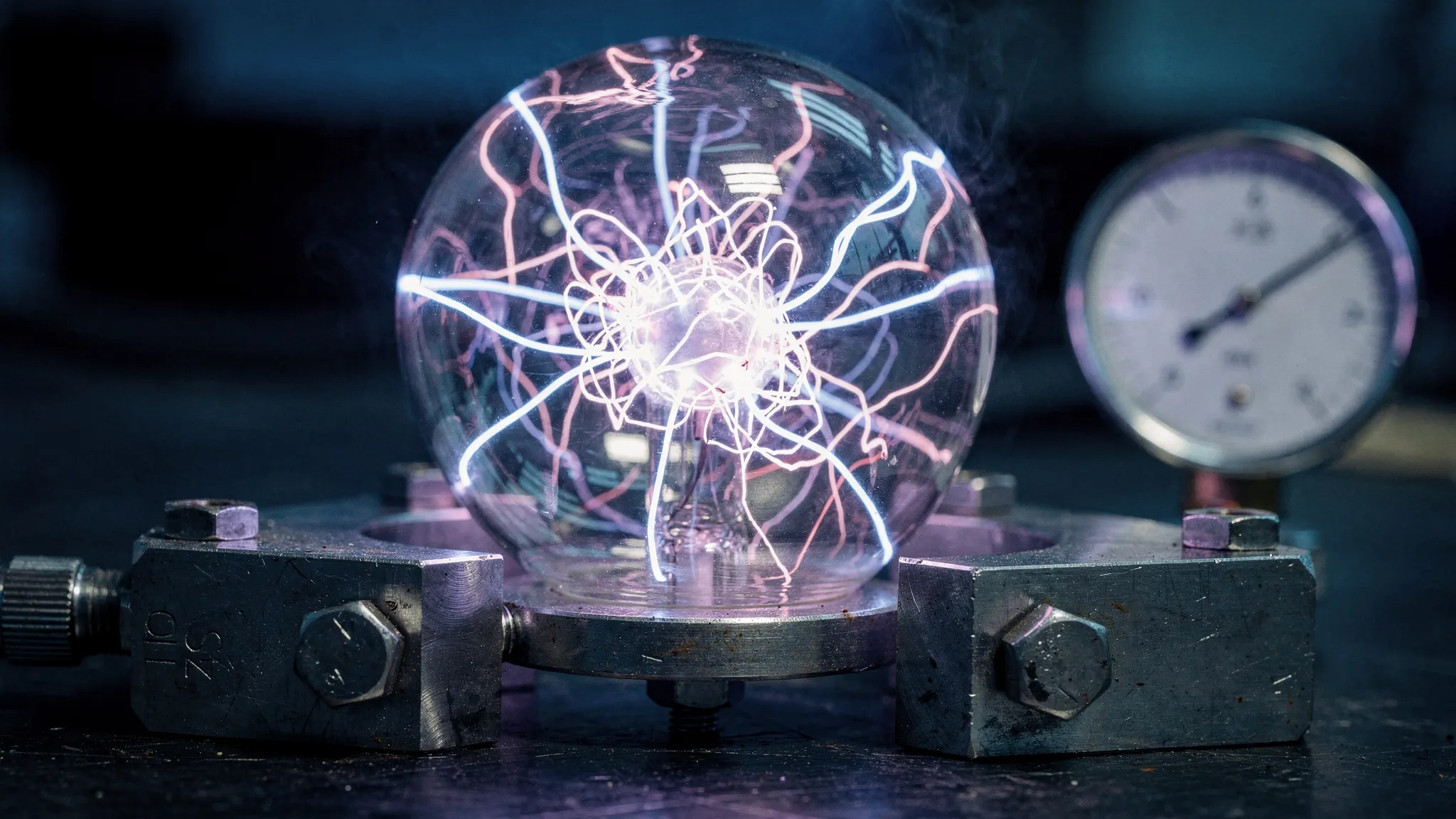
    A glass sphere full of glowing, tangled filaments of plasma, held between heavy steel clamps on a lab bench, with a pressure gauge blurred beside it.

    Gluons carry the strong force, the one that binds quarks. Heat them enough and they form a plasma. How much pressure does it exert? Physicists compute the answer step by step, each step a finer correction.

    One step, called the g⁶ term, has stayed out of reach for over twenty years. It needs 65 tangled diagrams with four loops each.

    A team from Helsinki, Turku, Chile and Bern finally completed it. They solved nine unknown integrals with a new method, using about a million processor-hours on supercomputers.

    The payoff: earlier steps swung above and below the computer simulations of the plasma. With the new term, theory and simulation agree, down to a few times the temperature where gluons break free. Next goal: add quarks, for neutron star mergers.

    Source: Complete g⁶ pressure of hot Yang-Mills theory, https://arxiv.org/abs/2610.23675

    PreprintTheory
  10. Computing & AI

    CAN AN AI RUN THE CORNER SHOP?

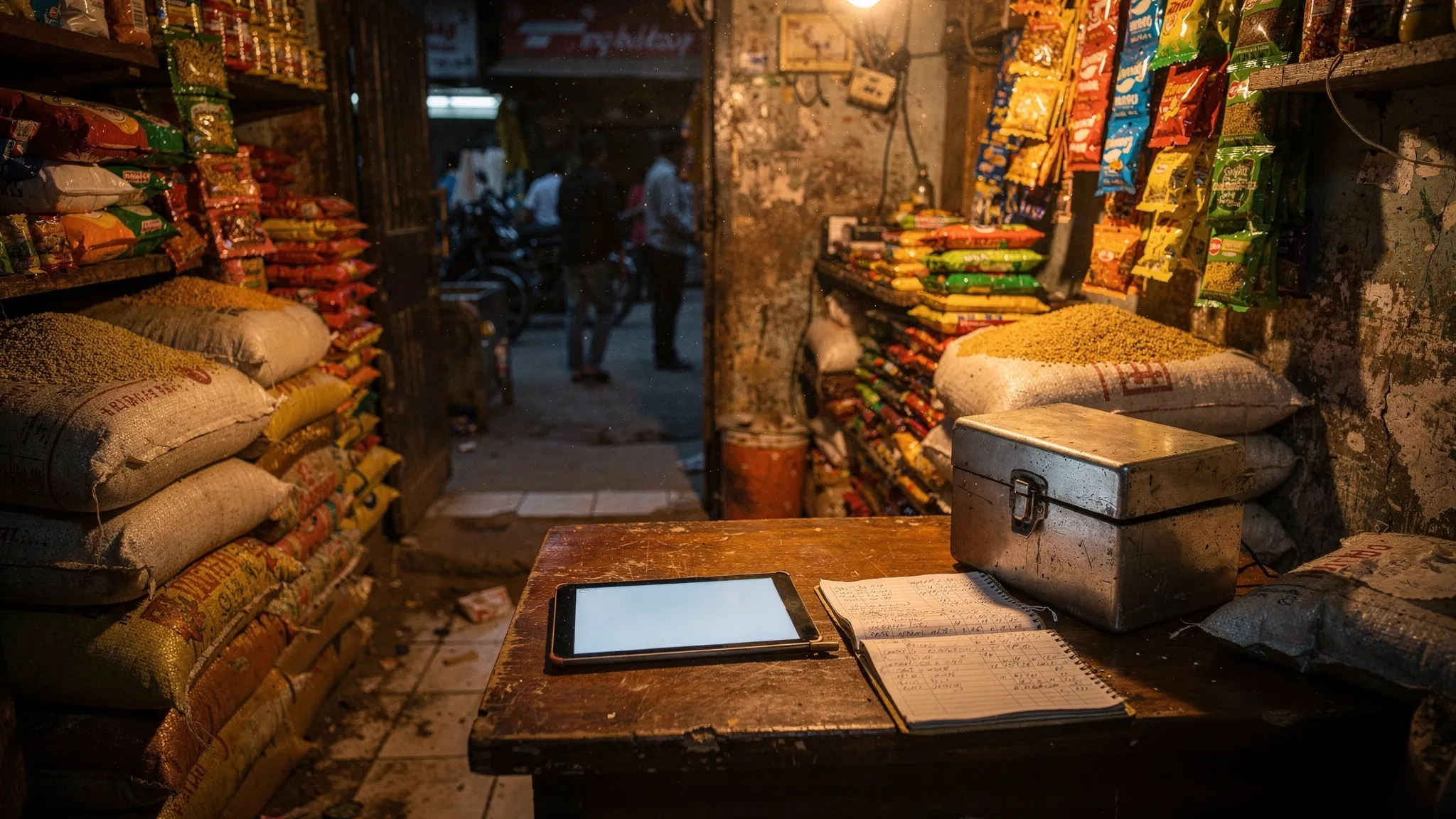
    The counter of a small Indian grocery shop at dusk, a tablet, an open notebook and a steel cash box on it, sacks of grain and colourful packets stacked all around.

    In India, much of everyday shopping happens in small general stores called kirana shops. Could an AI run one? A team at BITS Pilani built a simulated shop to find out.

    One AI model plays all four staff: manager, cashier, helper and bookkeeper. The manager never sees the shop, only staff reports. Customers and suppliers speak English, Hindi or Hinglish.

    Four open AI models each ran it for 30 simulated days. A simple rule-following shopkeeper earned about 103,000 rupees. The best model averaged about 13,700. Two lost more than a shop with nobody in charge.

    The failures have names. E-mails to suppliers that do not exist. A payment that never happened. Orders paid twice. One model had 42% of its Hindi e-mails sent back as unreadable.

    Source: KiranaBench: Can a Language Model Run a Neighbourhood Shop?, https://arxiv.org/abs/2610.22980

    PreprintExperiment
  11. Medicine & health

    HEALTH APPS THAT NEVER ASK FIRST

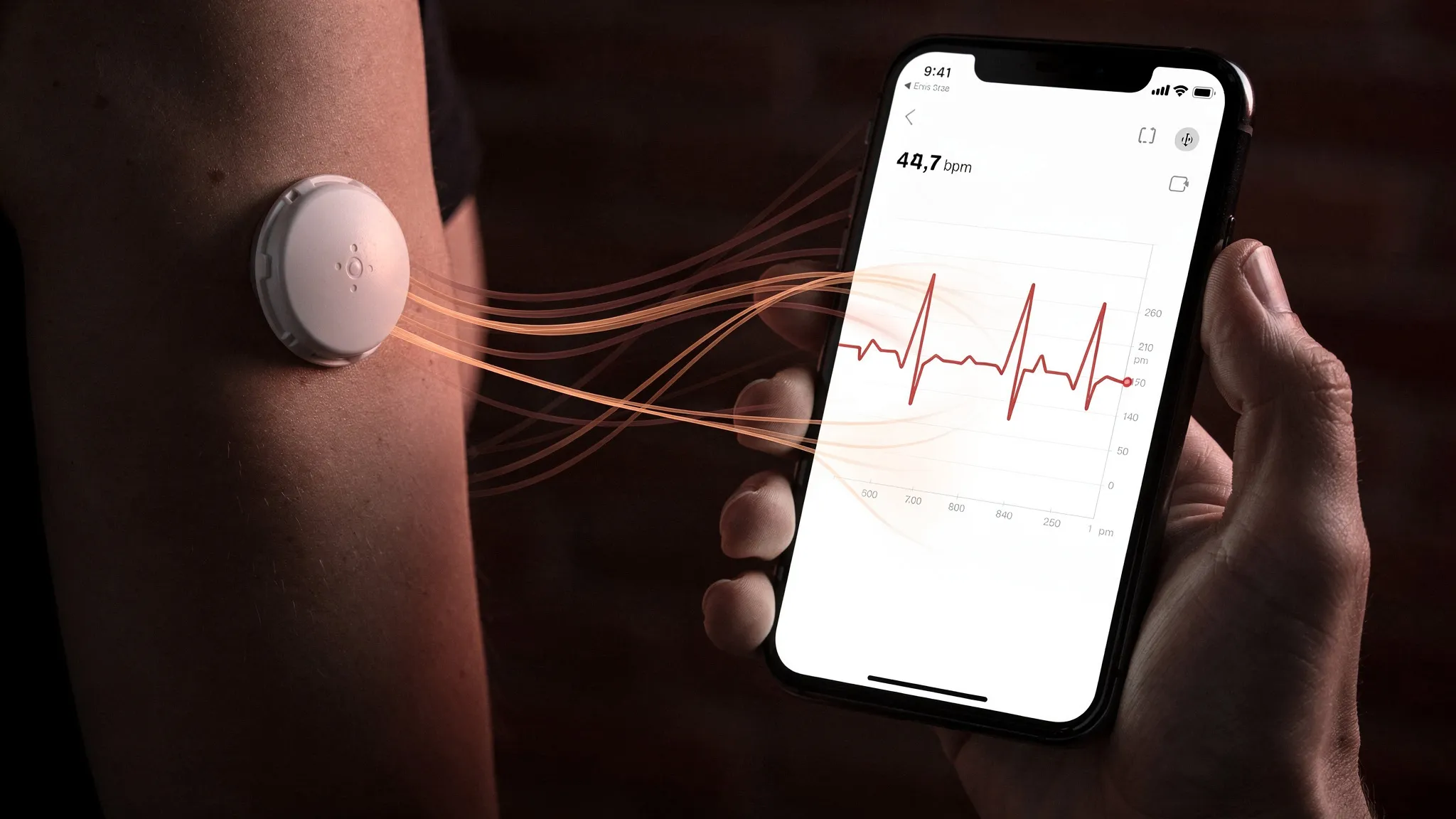
    A hand holding a smartphone showing a heart-rate graph, next to a round sensor patch on an upper arm, glowing threads of light linking the patch to the phone.

    Health apps track your heart rate, your glucose, sometimes your mental health. A team from universities in the US and Canada examined over 10,000 of them on Google Play.

    69% request at least one permission their description does not justify. About half want your location or your camera without a stated reason. A third want the microphone.

    The team launched the apps on test phones. Of the 3,599 that ran, 93% showed no consent screen. Many still sent out the phone's advertising ID.

    When a consent form does appear, apps mostly keep their word: 1 in 14 collected something it did not mention. Even big, well-funded developers slipped. The authors call for automatic privacy checks before an app reaches the store.

    Source: Bad Diagnosis: Analyzing Consent and Data Collection Practices of Mobile Medical Apps, https://arxiv.org/abs/2610.23851

    PreprintData analysis
  12. The day on arXiv

    2,031

    papers posted · October 20, 2026

    • Computer science938
    • Physics501
    • Mathematics435
    • Statistics65
    • Engineering62
    • Economics17
    • Biology9
    • Finance4

    9,724author signatures

    985papers filed in several fields

Legal notice