Edition of October 21, 2026

  1. At The Knowledge Frontier, we pick out the research papers of the day and explain them simply.

    The web has changed in nature. We no longer search, we scroll. Pages look alike, texts are churned out, and we end up reading a great deal without keeping any of it. Educating yourself there has become a strangely passive affair.

    Here, you do more than read. Every article ends with a quiz: a few questions on what you have just read. When the subject lends itself to it, it is an experiment — you set the values yourself and recover, in turn, the researchers' result.

    @VirScience
  2. Mathematics

    THE SUNFLOWER CONJECTURE FALLS

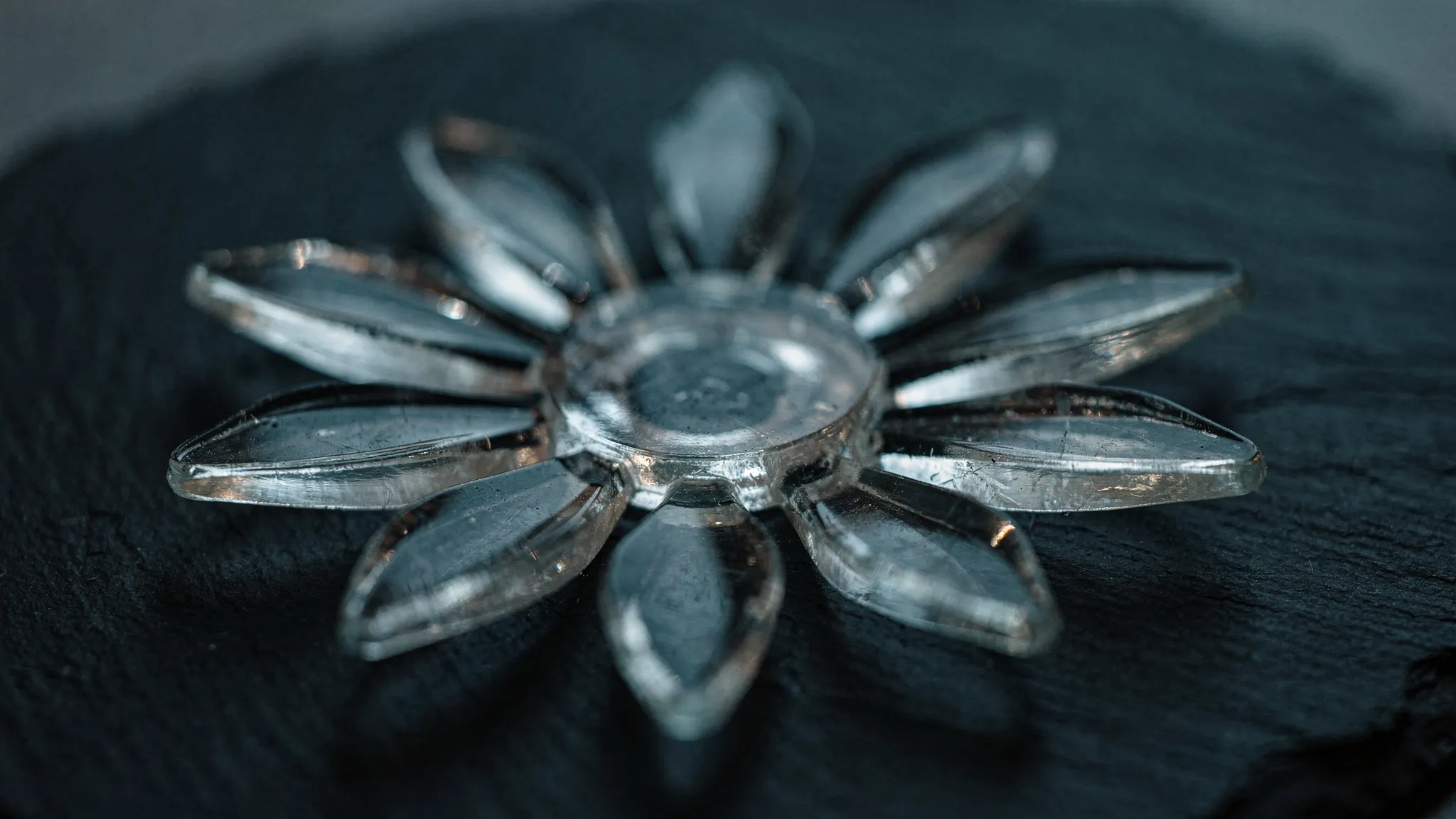
    Macro photograph of a flower made of clear glass petals radiating from a small round glass disc; each petal touches only the disc and is separated from its neighbours, on dark slate.

    Take sets of numbers. A "sunflower" is a group of sets that all overlap in exactly the same core. Everything else, the petals, never touches. Mathematicians love them.

    In the 1970s, Erdős and Szemerédi asked: how many sets can you collect without any k of them forming a sunflower? Their guess: exponentially fewer than all possible sets. Only the three-petal case was settled, in 2016.

    Now three mathematicians from Vienna and KAIST prove it for every number of petals. The limit: 3 × (2 − 1/16k³) to the power n. Close to 2ⁿ, yet exponentially smaller.

    The key step was found by ChatGPT 6 Astra Pro. The authors rewrote it, checked it, and had the proof verified by the Lean software.

    Source: Proof of the Erdős-Szemerédi sunflower conjecture, https://arxiv.org/abs/2610.26686
    PreprintTheory
  3. Space & astronomy

    A DAYTIME FIREBALL TRACKED INTO THE SEA

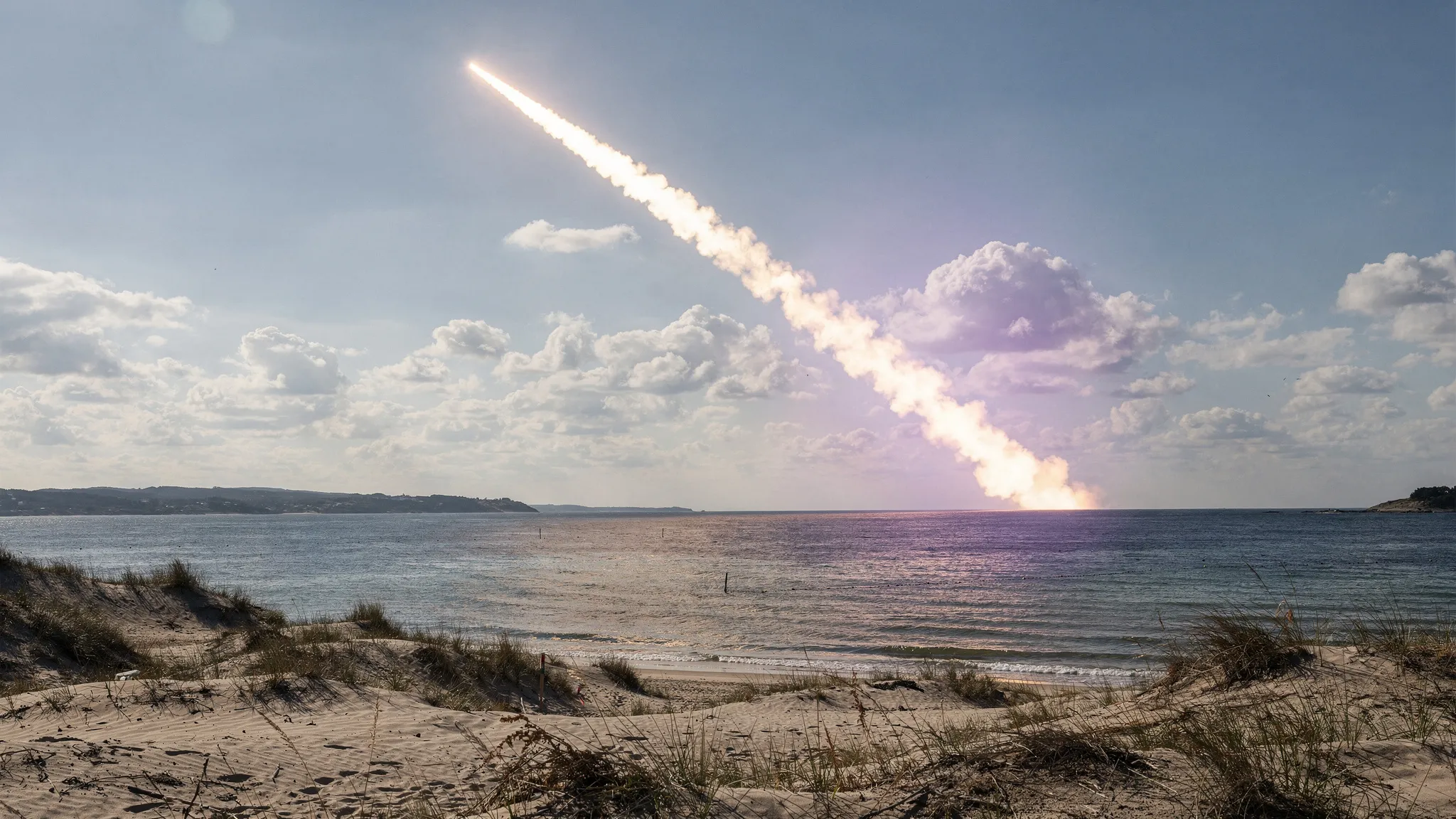
    Daytime photograph from sandy dunes of a bright fireball with a long white smoke trail descending steeply over a calm bay under scattered clouds.

    On 30 May 2026, in broad daylight, a space rock about 1.6 metres wide hit the sky over Massachusetts. A sonic boom rolled over the coast. A US government sensor caught its flash too. A meteor radar run by MIT caught its glowing plasma from 90 km down to about 34 km.

    Then weather radars took over. They spotted falling meteorites between 13.6 and 7.6 km altitude. The pieces landed in Cape Cod Bay, in water about 34 metres deep.

    199 pressure sensors listened for the shock wave, including cheap citizen devices. Their verdict: about 0.5 kilotons of TNT.

    The rock was probably dense and tough, maybe rich in iron. Its orbit sits on the border between comets and asteroids. No known parent has been found.

    Source: Radar and Infrasound Observations of the 2026 May 30 Cape Cod Bay Superbolide, https://arxiv.org/abs/2610.24566

    PreprintObservation🧪 Experiment
  4. Physics

    THE NEUTRON'S HIDDEN MAGNETISM, FINALLY SEEN

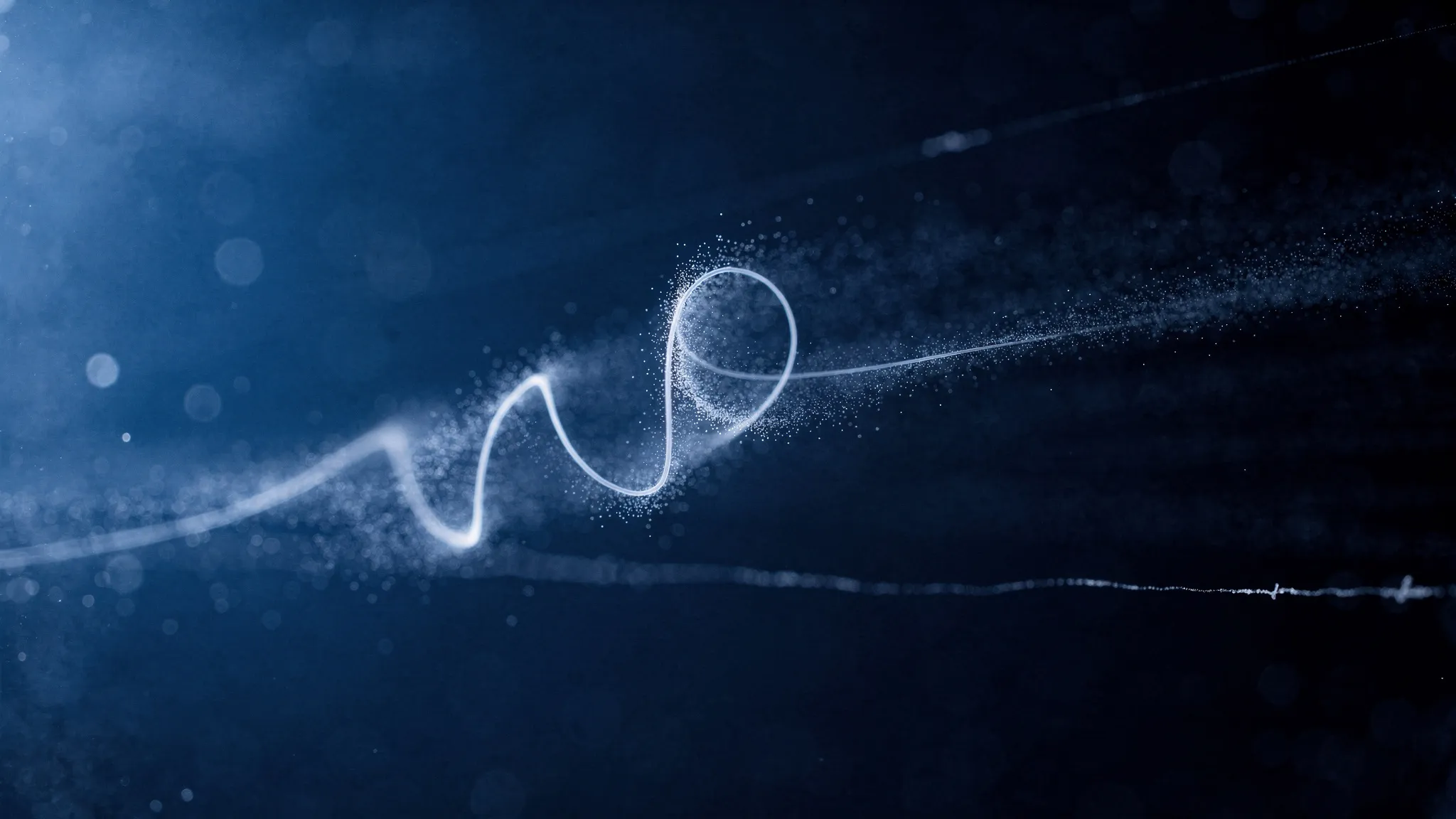
    Dark blue photograph of a thin white vapour trail that loops and curls across the frame, surrounded by fine droplets, with fainter straight tracks behind it.

    A free neutron lives about 15 minutes, then decays into a proton, an electron and an antineutrino. Gell-Mann predicted a subtle effect in such decays: "weak magnetism". In the free neutron, nobody had ever seen it.

    The problem: the key measurement mixes two unknowns. One experiment cannot pull them apart. So physicists simply assumed the predicted value. For nearly seventy years, the test stayed out of reach.

    Three theorists in Spain added two more ingredients: the neutron's lifetime and data from certain atomic nuclei. That pins down the first unknown and frees the second.

    Result: 4.47 ± 0.87, against 4.71 predicted. Zero weak magnetism is excluded at 5.1 sigma, above the 5-sigma bar for an observation. No new experiment needed.

    Source: First observation of weak magnetism in neutron decay, https://arxiv.org/abs/2610.26792

    PreprintData analysis🧪 Experiment
  5. Computing & AI

    A BORROWED FULL DISK MAKES COMPUTERS FASTER

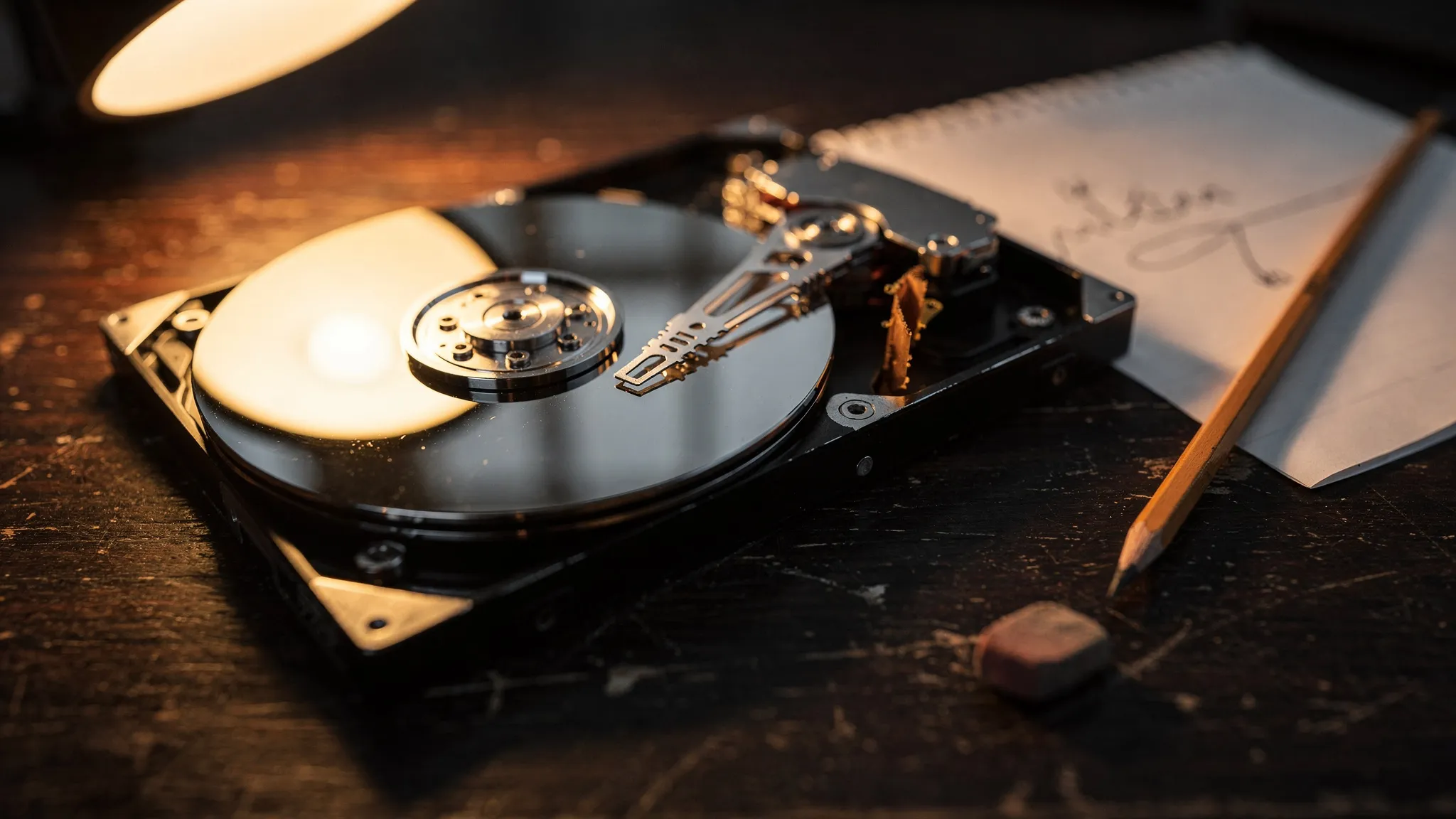
    Opened hard disk drive with its mirror-like platter and read arm, on a scratched dark desk under a warm lamp, beside a notepad, a pencil and an eraser.

    Picture this: you borrow a friend's huge hard drive, full of their precious files. You may use it to compute. But at the end, every single bit must be back in place.

    Computer scientists call this "catalytic" memory. Add only a tiny clean notepad. Can such a setup beat a normal computer? Until now, nobody had proved it on speed. Only on memory.

    Three MIT researchers just did, with a mathematical proof. With the borrowed disk, sorting and Fourier transforms run in almost linear time. Without it, a small-memory computer provably cannot do that.

    The trick: modify the disk, read the change, then undo every step in reverse. The same idea speeds up matrix multiplication and counting triangles in a network.

    Source: Computing faster with a full memory: Catalytic algorithms break time-space lower bounds, https://arxiv.org/abs/2610.24377

    PreprintTheory
  6. Mathematics

    SHAPES THAT ALMOST FILL SPACE

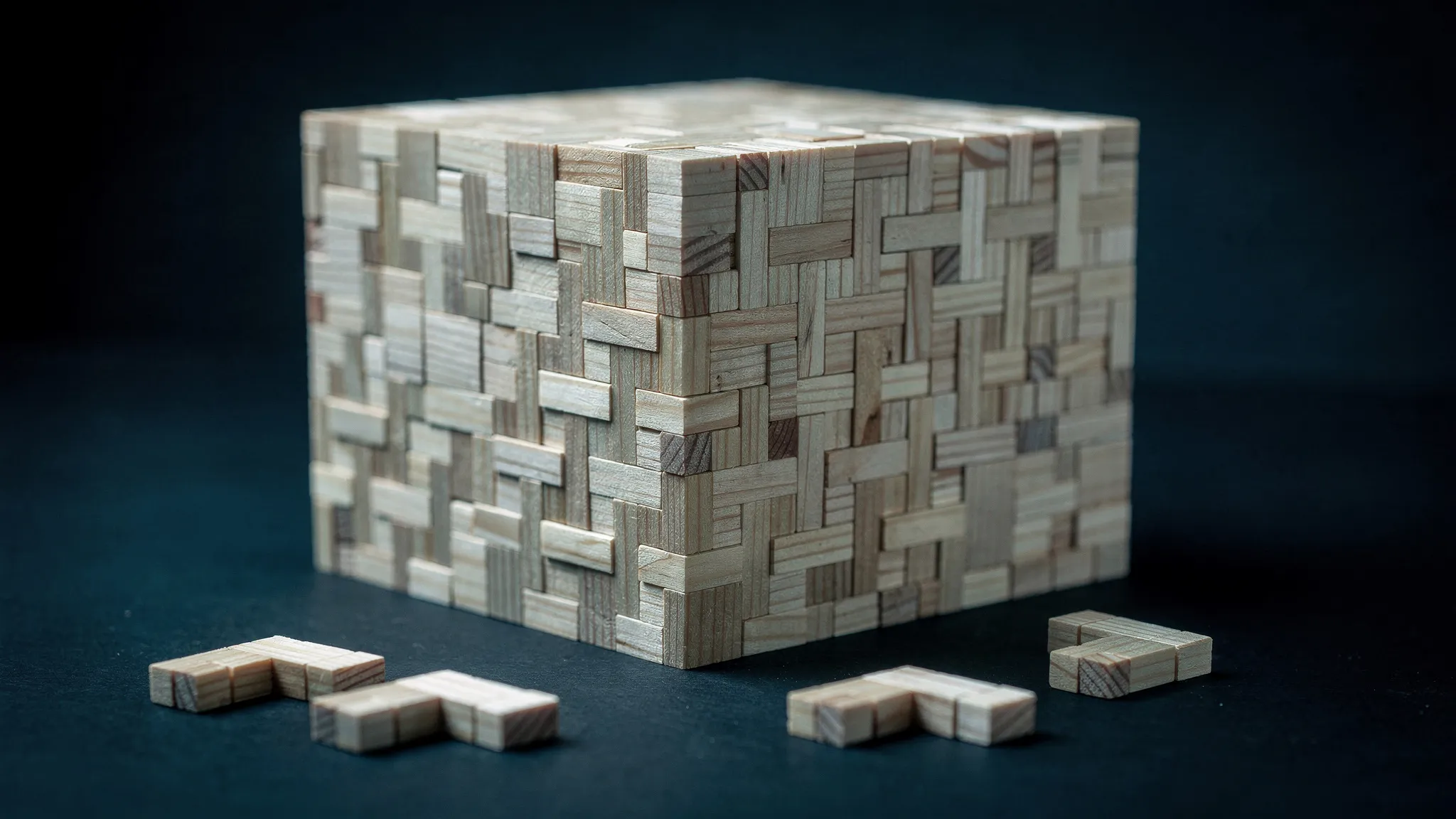
    A cube built from many interlocking pale wooden pieces, with a few loose identical L-shaped wooden pieces lying beside it on a dark surface.

    A shape that cannot tile the floor may still fit snugly inside its own copies. Can you wrap it in a ring of its own copies, without gaps? And then a second ring, a third? That count is its "Heesch number".

    In the plane, the record stands at 6. Computer searches never found better than 4. Is there a ceiling? Nobody knows.

    In three dimensions, the answer is now clear: no ceiling. Bojan Bašić, in Novi Sad, builds a shape for any number of layers you want.

    The secret is four numbers: 0, 2n−1, 2n+1 and 4n. Shifted copies of them never fill the whole number line, yet they fill stretches about n times longer than themselves. Turned into chains of little cubes, that gap becomes room for as many layers as you like.

    Source: The Heesch number in E³ is unbounded, https://arxiv.org/abs/2610.24281

    PreprintTheory🧪 Experiment
  7. Computing & AI

    A THEATRE GHOST FOOLS FACE RECOGNITION

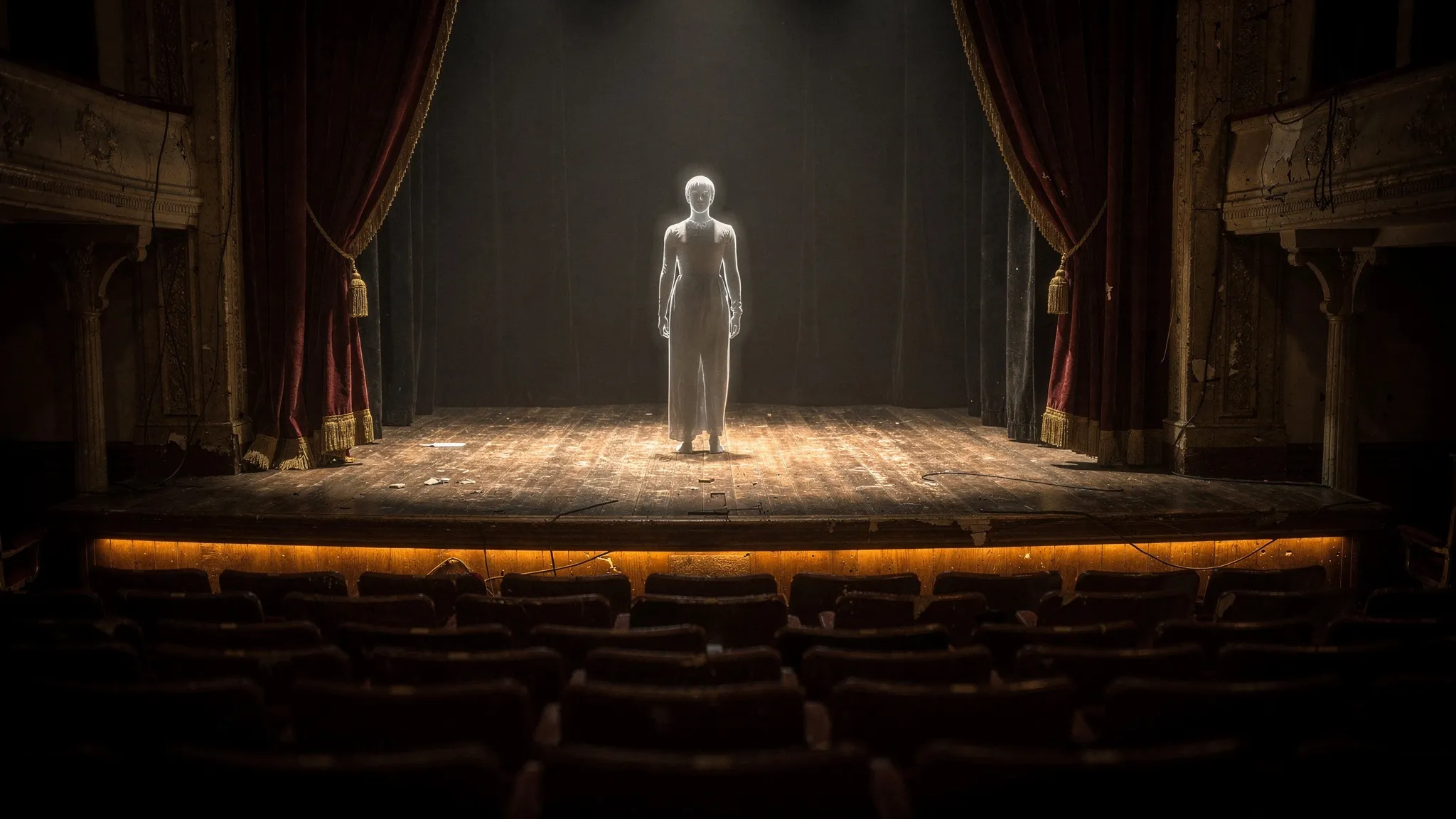
    A pale glowing ghostly figure stands on the wooden stage of an old theatre between red velvet curtains, lit by amber footlights, with empty seats in the foreground.

    "Pepper's Ghost" is a 19th-century theatre trick. A tilted pane of glass reflects an image that seems to float on stage. Two researchers at Notre Dame turned it against face recognition.

    The reflection lays someone else's face over the real one. To a person, it looks like a blurry glare. To the software, it becomes a hybrid face.

    They tested 100 identities on open-source systems. Spoof detectors accepted 80 to 96% of attack images as real faces. The most exposed face matcher let 33% of impostor images through at the threshold tested.

    The attack happens in the air between camera and face, with no access to the software. The authors call it a blind spot and share their dataset on request to support further research.

    Source: Ghost Attack: Using 19th-Century Illusions to Fool 21st-Century Biometrics, https://arxiv.org/abs/2610.24238

    PreprintExperiment
  8. Medicine & health

    SEVEN PRIVATE ASTRONAUTS OUT OF EIGHT GOT SPACESICK

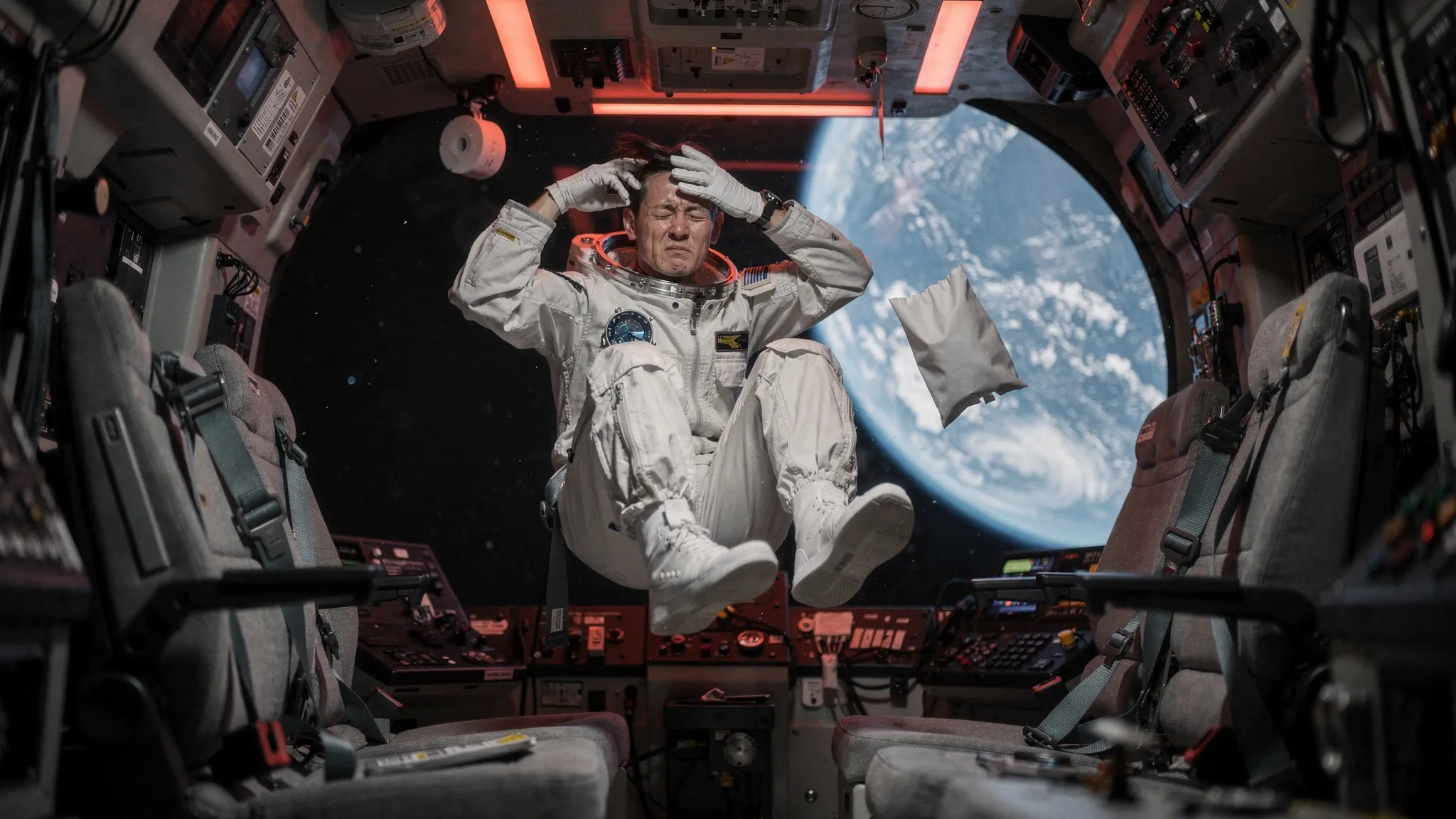
    A crew member in a white suit floats above the seats of a cramped capsule cabin, both hands pressed to the head, a white bag drifting nearby, Earth filling a large round window, in reddish light.

    Weightlessness scrambles your inner ear. Many astronauts feel sick in their first days in orbit. But how do private flyers cope? Nobody had published data on them. Until now.

    A US team followed the eight crew of Polaris Dawn and Fram2, two short SpaceX flights. Before each report, they nodded and tilted their heads in a fixed sequence, then rated their sickness from 0 to 20 on a tablet, in real time.

    Result: 7 out of 8 felt sick in orbit, and 5 vomited. For a quarter of them, it lasted at least three days.

    Back on Earth, half felt sick again, but less. All of them came from Fram2, whose capsule rocked about twice as hard on the waves.

    Source: Spaceflight-associated Motion Sickness in Commercial Crew Astronauts, https://arxiv.org/abs/2610.24216

    PreprintObservation
  9. Space & astronomy

    NO SIGN OF A HIDDEN FORCE BENDING GALAXIES

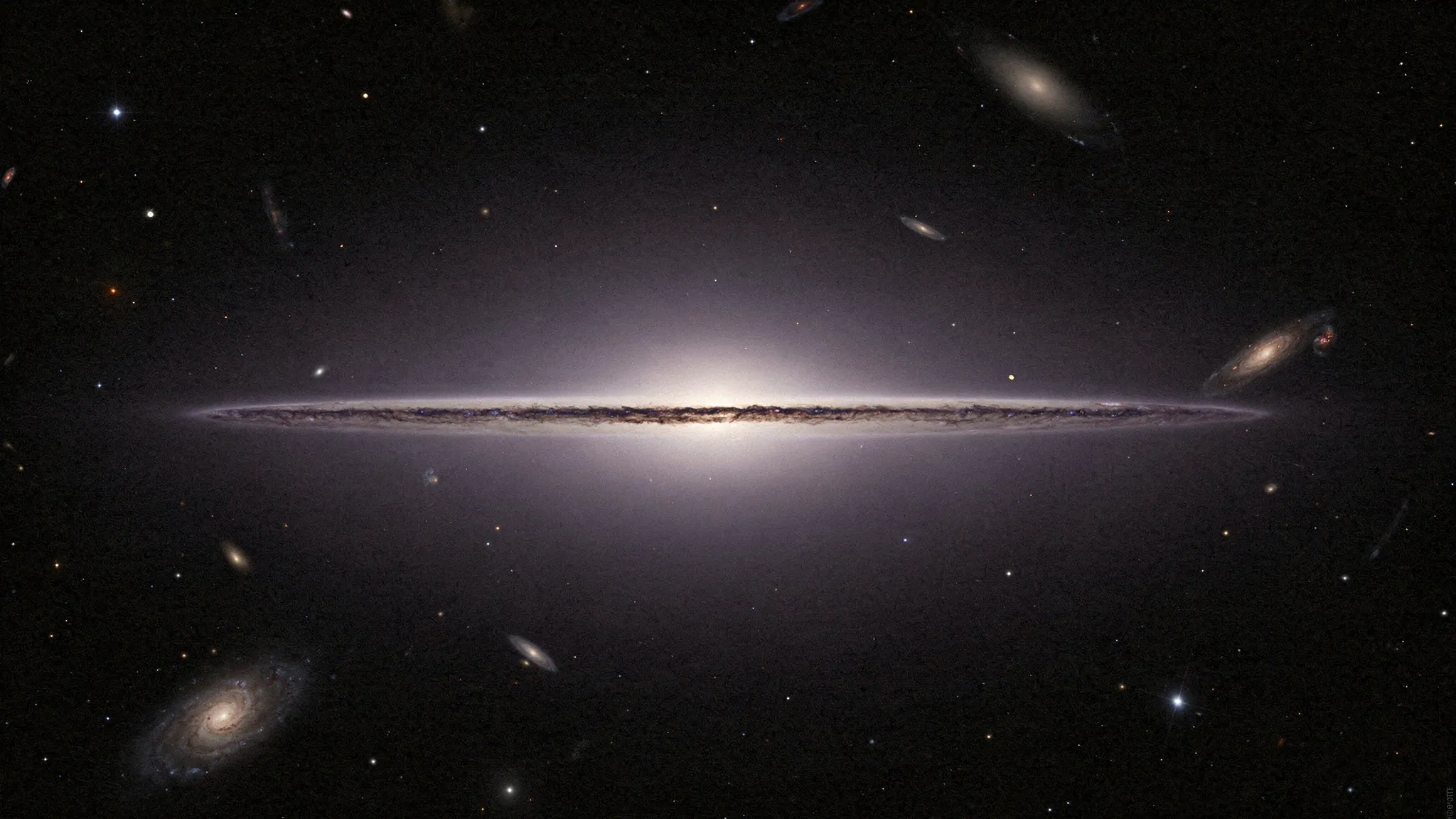
    Telescope-style image of a thin spiral galaxy seen exactly edge-on, a straight bright disk crossed by a dark dust lane, with a glowing bulge and small background galaxies.

    Recent surveys hint that dark energy may change over time. One explanation: it pushes on dark matter with a "fifth force". Stars and gas would not feel it at all.

    Two cosmologists worked out what that would do. The dark matter halo gets dragged, the star disk lags behind, and the disk bends into a cup shape.

    They measured the shape of 3,968 edge-on galaxies in Sloan Digital Sky Survey images. They compared it with the pull each galaxy should feel from its neighbours. No match at all.

    The fifth force must be weaker than 0.17% of gravity, even counting every doubt. That is three times tighter than the best cosmological limit. Several fits of the recent data are disfavoured at about 2 to 3 sigma.

    Source: Galactic warps constrain equivalence-principle violation in the dark sector, https://arxiv.org/abs/2610.24618

    PreprintData analysis🧪 Experiment
  10. Computing & AI

    HALF OF EINSTEIN'S PAPERS GET 1.5% OF HIS CITATIONS

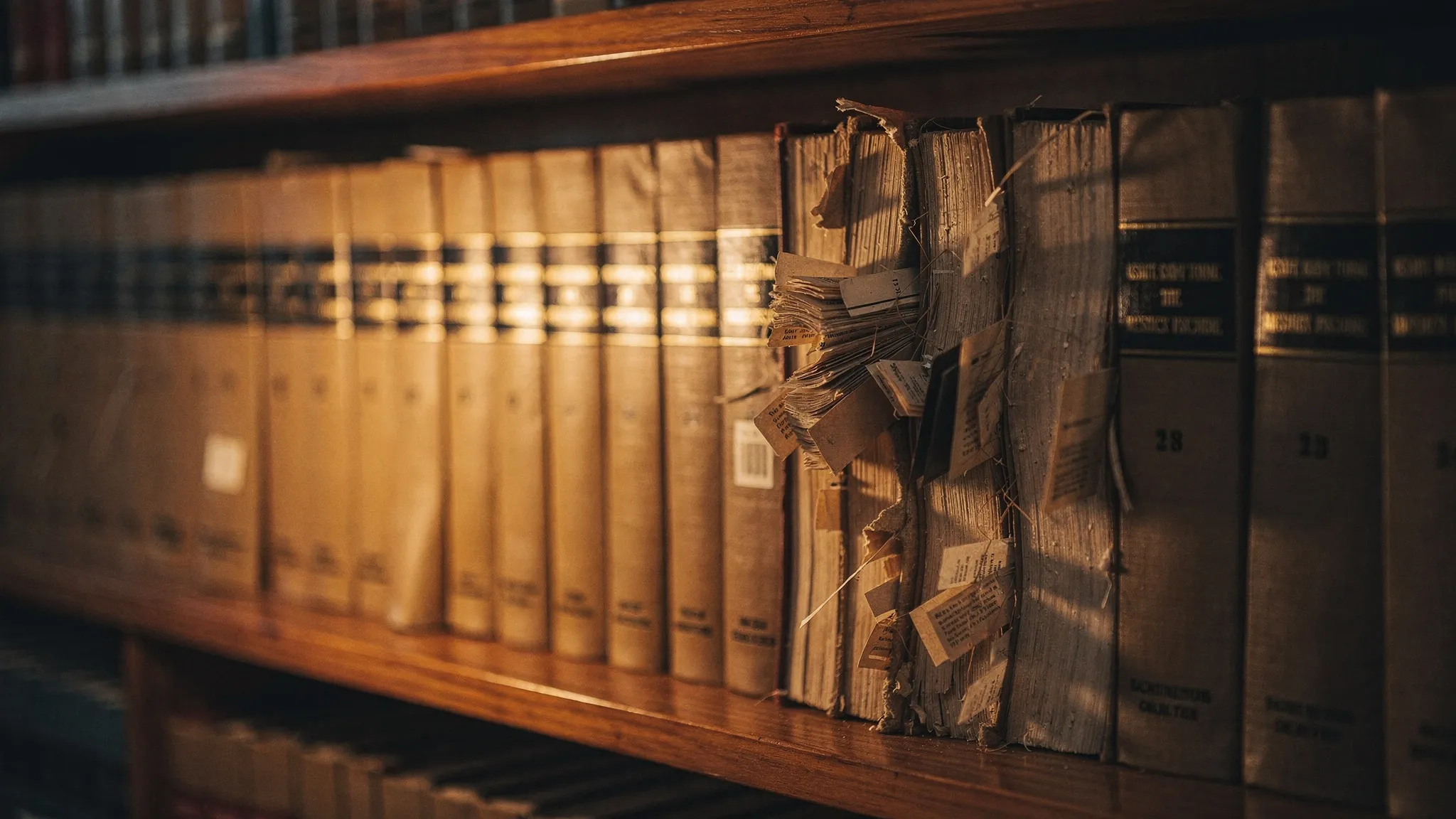
    A row of identical bound volumes on a wooden library shelf in warm light; a few in the middle are worn and bristling with paper slips, the rest look untouched.

    Economists measure inequality with the Gini coefficient: 0 if everyone has the same, 1 if one person owns everything. The world's wealth scores 0.843. Now apply it to science.

    Two Toulouse physicists applied it to citations on Google Scholar, paper by paper. Einstein: 498 papers, Gini 0.883. Half of his papers gather just 1.5% of his citations.

    Across 15 Nobel laureates, the average Gini is 0.81. The top 10% of papers take 71% of citations. Universities look alike, like small unequal countries: at Princeton, half the researchers produce 2.6% of the citations.

    The authors model these curves with a physics idea borrowed from heat and light: "Rayleigh-Jeans condensation". The same maths, they say, describes how wealth piles up in societies.

    Source: Gini coefficient of scientists and universities, https://arxiv.org/abs/2610.26053

    PreprintData analysis
  11. Physics

    CAN A CELL REALLY HEAT UP BY SEVERAL DEGREES?

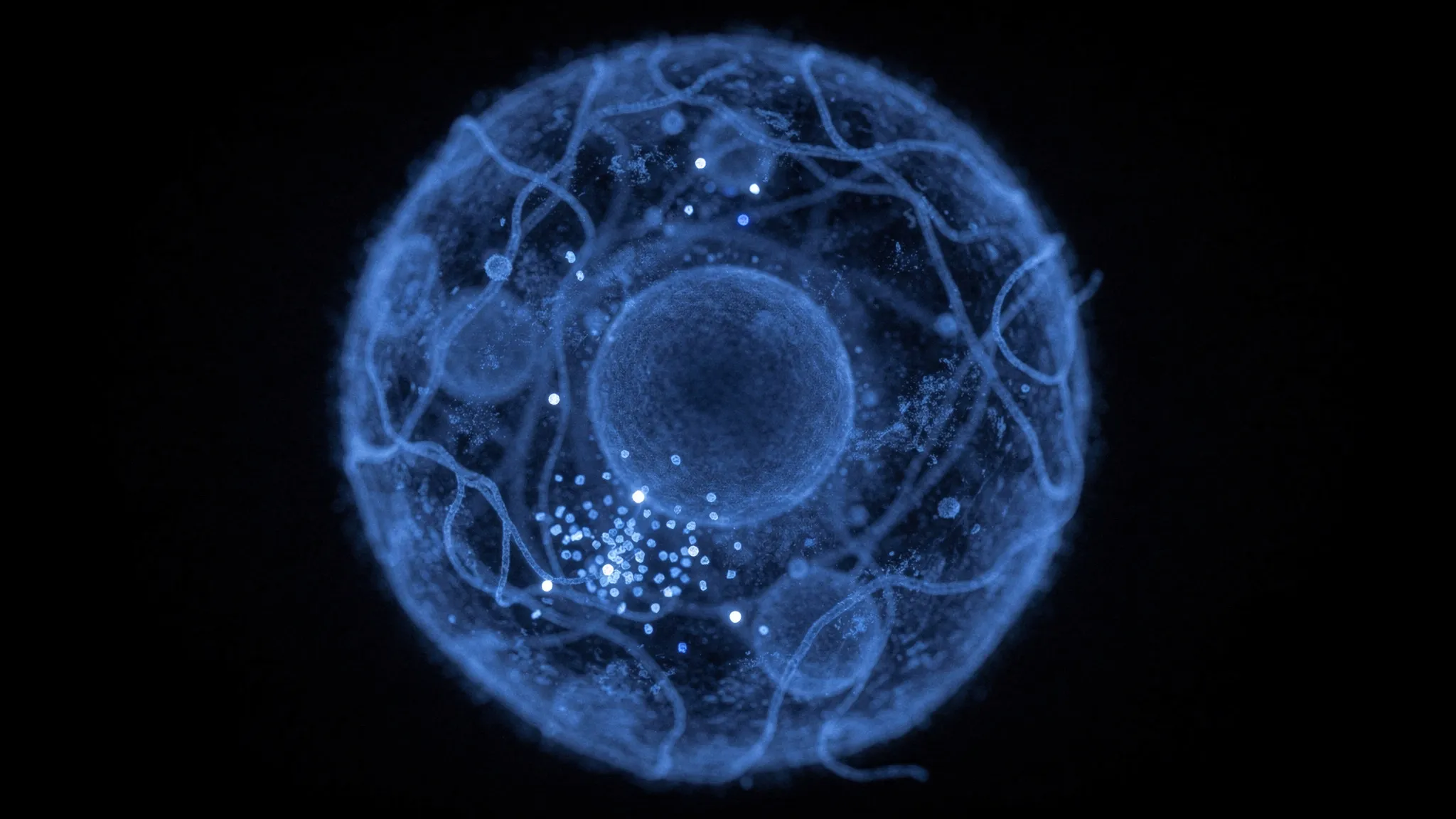
    Blue fluorescence-style image of a single round cell on a black background, its nucleus and threadlike filaments visible, with tiny glowing pinpoints clustered inside.

    For about fifteen years, scientists have slipped nano-thermometers into living cells. Many report hot spots 1 to 10 degrees above the surroundings. Yet a cell's metabolism should barely warm anything.

    A physicist in Queensland flips the question. Forget the heat source, hard to pin down inside a cell. Ask how hot the thermometer itself can possibly get.

    His theorem needs only three numbers: the total heat produced, the thermal conductivity and the sensor's volume. For a cell making 50 picowatts and a 60-nanometre sensor: about 0.002 degrees at most, wherever the heat comes from.

    So if kelvin-scale readings are real heat, something else is going on. The sensor may be out of equilibrium, get extra energy, or respond to something other than temperature.

    Source: Maximum-Temperature Theorem for a Nanothermometer, https://arxiv.org/abs/2610.24340

    PreprintTheory🧪 Experiment
  12. Chemistry

    TRAPPING MOLECULES BETWEEN MIRRORS CHANGES NOTHING HERE

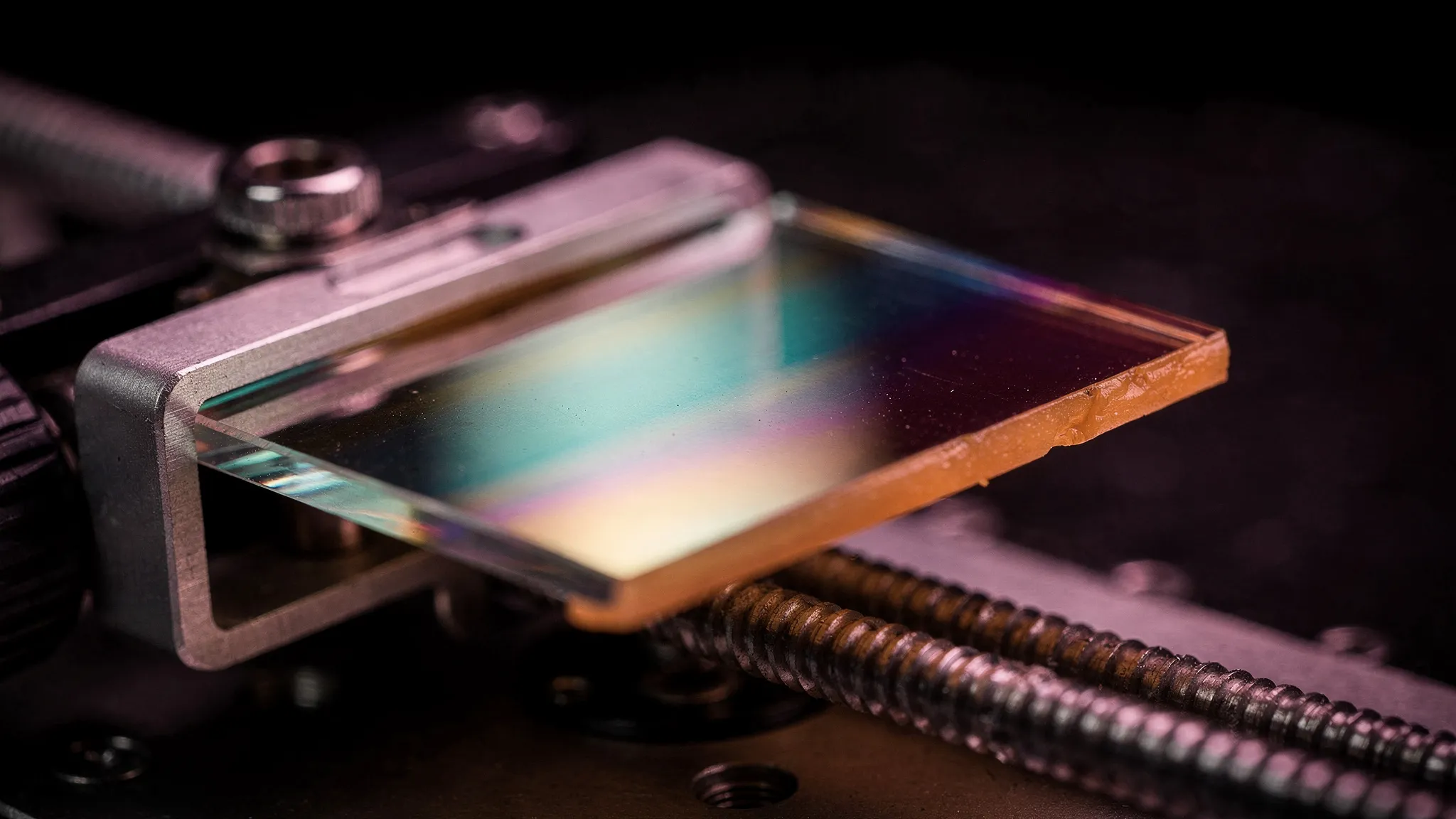
    Macro photograph of a coated glass slide shimmering with iridescent bands, an orange layer along one edge, held in a metal clip on an optical bench under magenta light.

    In some materials, one particle of light can produce two energy carriers instead of one. It is called singlet fission, and it could push solar cells past their usual limit.

    Physicists hoped to steer it with mirrors. Trap the molecules in a tiny cavity, and light and matter mix into hybrid states. A 2019 study reported that this slowed fission in rubrene, an organic molecule.

    A UK team rebuilt the experiment and measured in the infrared, where the mirrors are almost transparent. Two cavity qualities, five tunings. The fission ran exactly as without a cavity.

    The small differences they did see came from echoes between the mirrors, not from new chemistry. Their method offers a cleaner way to check future claims.

    Source: NIR-probe transient absorption on rubrene microcavities demonstrates no changes to singlet fission by strong-coupling, https://arxiv.org/abs/2610.26675

    PreprintExperiment
  13. The day on arXiv

    2,031

    papers posted · October 20, 2026

    • Computer science938
    • Physics501
    • Mathematics435
    • Statistics65
    • Engineering62
    • Economics17
    • Biology9
    • Finance4

    9,724author signatures

    985papers filed in several fields

Legal notice