Edition of October 27, 2026

  1. At The Knowledge Frontier, we pick out the research papers of the day and explain them simply.

    The web has changed in nature. We no longer search, we scroll. Pages look alike, texts are churned out, and we end up reading a great deal without keeping any of it. Educating yourself there has become a strangely passive affair.

    Here, you do more than read. Every article ends with a quiz: a few questions on what you have just read. When the subject lends itself to it, it is an experiment — you set the values yourself and recover, in turn, the researchers' result.

    @VirScience
  2. Space & astronomy

    IF BETELGEUSE SWALLOWS ITS COMPANION, THE SKY WILL FLASH

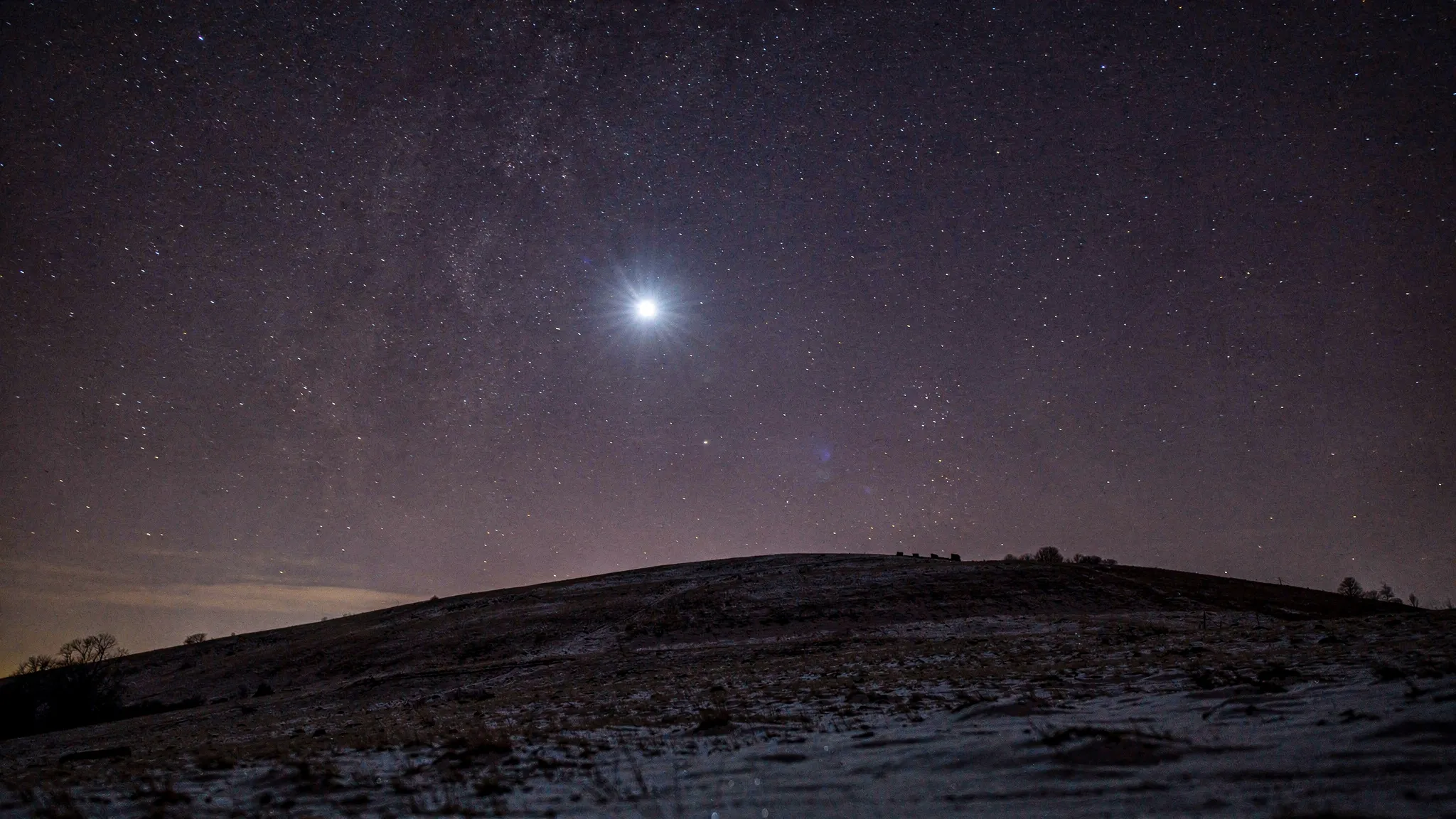
    A dazzling blue-white point of light high in a starry violet night sky above a snowy hill.

    Betelgeuse, the red giant at Orion's shoulder, probably has a small companion star. Tides are slowly shrinking its orbit. In a few thousand years, Betelgeuse should swallow it.

    A team in California, New York and Massachusetts simulated that final plunge. The companion spirals deep inside and is torn apart near the core. A shock wave then needs about 28 days to reach the surface.

    When the shock bursts out, the flash would peak several times brighter than Venus. Its brightest phase lasts about two days. Heavier companions give brighter flashes.

    The merger would also blow away 6 to 11 times the Sun's mass. The date is very uncertain: roughly 4,000 to 7,000 years from now. Dust around the star could redden and dim the show.

    Source: From Inspiral to Outburst: Modeling a Potential Luminous Red Nova from Betelgeuse, https://arxiv.org/abs/2610.31755
    PreprintSimulation🧪 Experiment
  3. Computing & AI

    WHEN LANE ASSIST LOSES THE LINES, IT OFTEN KEEPS QUIET

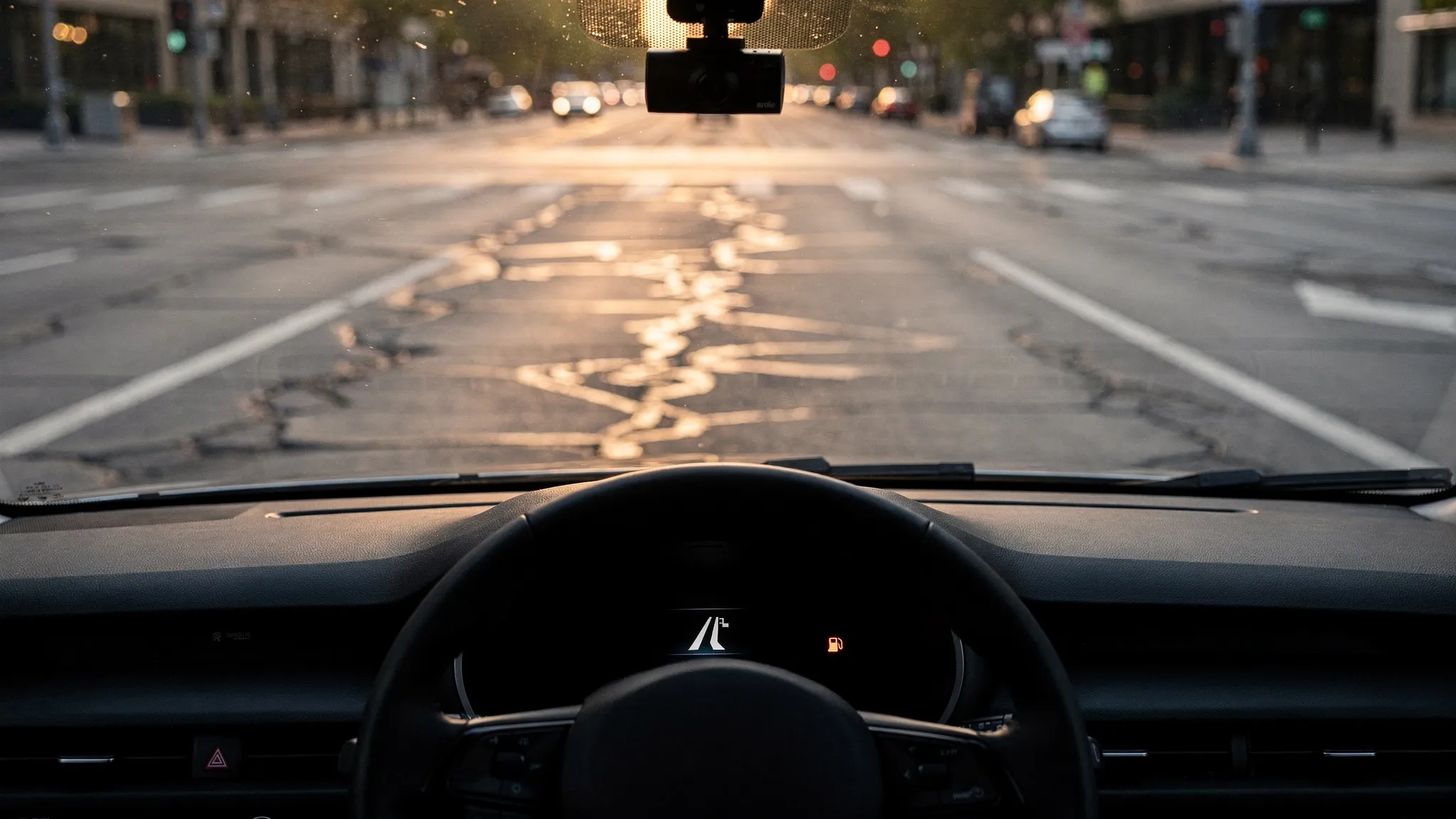
    A city street with worn, cracked white lane markings in low evening sun, seen through a car's windscreen above its steering wheel and dashboard, a small camera mounted at the top of the windscreen.

    Most new US cars can help steer themselves between the lane lines. A dashboard icon tells you whether the camera sees those lines. But can you trust that icon?

    Researchers in Pennsylvania and New York studied 39,800 seconds of real driving. They covered 13 car models from three carmakers. All clips were picked where keeping the lane was hard.

    On hard-to-see lines, the icon said so only 47% of the time. In half of those difficult stretches, it never warned at all. When it did warn, it warned right away.

    Worst case: the driver puts little force on the wheel, leaving the steering to the system, while the icon says all is well. That happened 48 seconds per hour of this difficult driving. The car then wandered more within its lane: about 12 cm against 4 cm.

    Source: Silence Is Not Assurance: When Production Lane Keeping Assist Does Not Warn, and What It Costs, https://arxiv.org/abs/2610.31899

    PreprintData analysis🧪 Experiment
  4. Computing & AI

    ROBOTS THAT HUDDLE LIKE PENGUINS TO SURVIVE THE LUNAR NIGHT

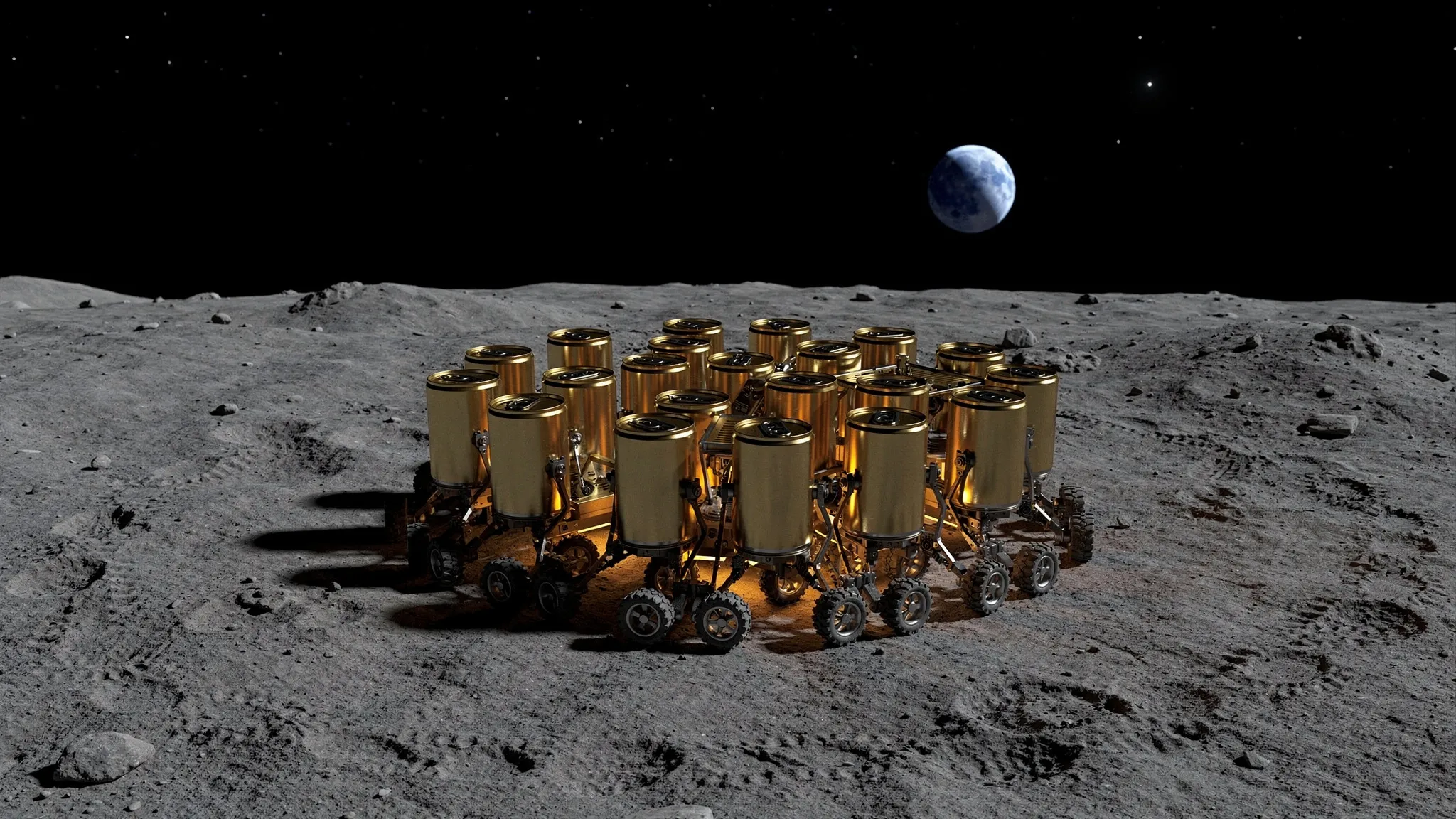
    About twenty small gold cylindrical robots on wheels packed in a tight cluster on the grey lunar surface at night, a warm glow between them, Earth in the black sky.

    On the Moon, night lasts about 354 hours. The ground cools towards 95 kelvin, about −178 °C. There is not enough plutonium to give every small robot a heater.

    So could robots keep each other warm? Researchers at ESA and MIT simulated twenty of them. Their only reward came at dawn: how warm the five coldest stayed.

    Nobody told them to gather. They gathered anyway, then kept swapping places between the sheltered core and the exposed edge. Emperor penguins survive the Antarctic winter with these same two behaviours.

    Result: every robot survives on 37% less stored energy than a still huddle. That is within 13% of a limit set by physics. Still untested: real wheels grinding through a whole night of lunar soil.

    Source: Emergent Cooperative Thermoregulation in Lunar Swarm Robotics, https://arxiv.org/abs/2610.31868

    PreprintSimulation🧪 Experiment
  5. Space & astronomy

    ONE MILLION DATA CENTRES IN ORBIT, AS SEEN BY RUBIN

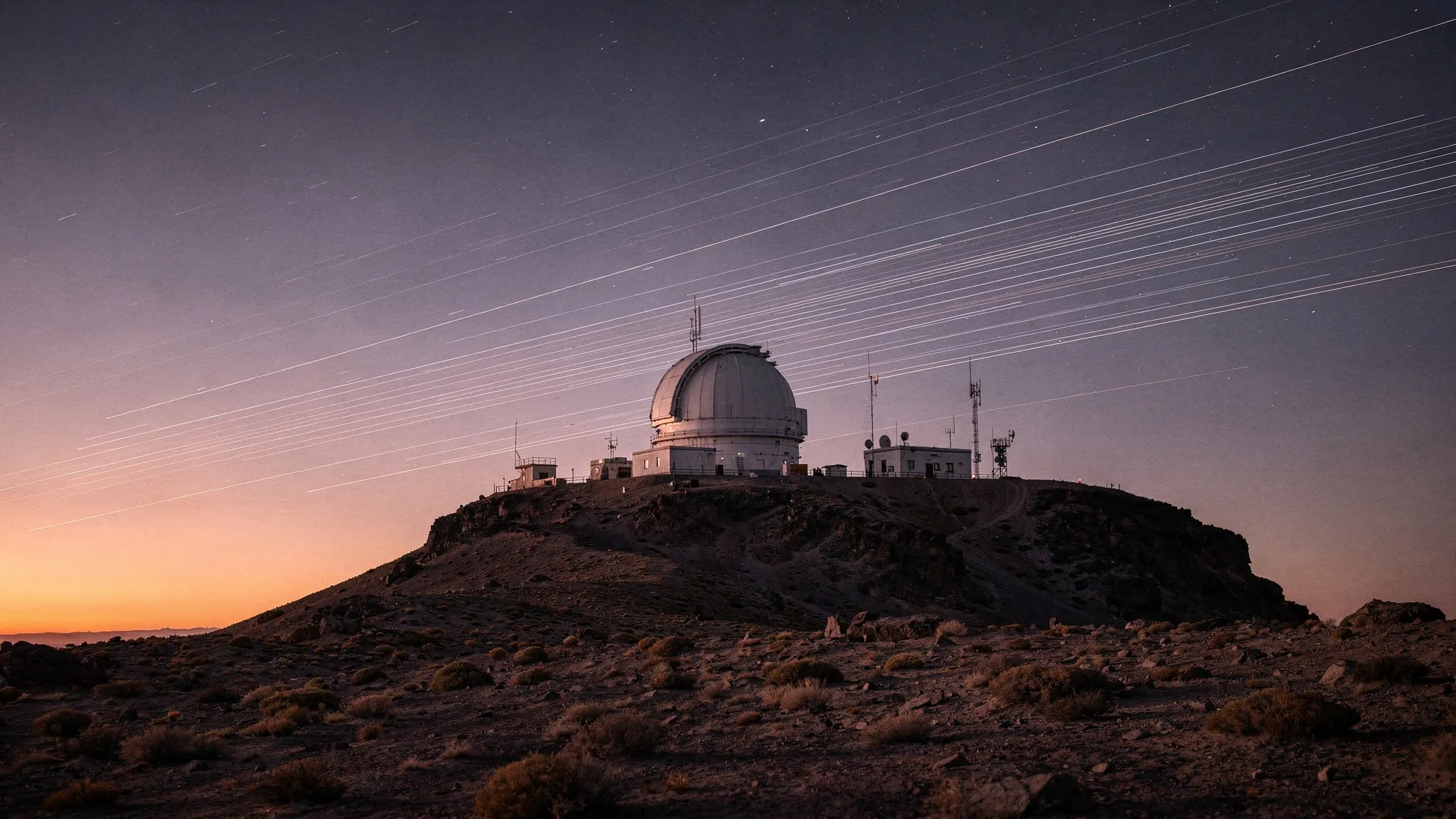
    A white telescope dome on a dry mountain ridge at dusk, the violet sky crossed by many thin streaks of light.

    Companies want to put data centres, giant banks of computers, into orbit. Their plans add up to well over a million satellites. Each would need huge solar panels and radiators.

    US astronomers simulated a year of the Vera C. Rubin Observatory under that swarm. On some nights, up to 80% of its images catch a sunlit streak. Over the year, about one in five.

    Twilight is the worst moment, just after sunset and before dawn. On a moonless night, the satellites light up the sky. In three of Rubin's six filters, the glow rises by over 1,000%.

    Launching only a tenth of them does not fix it. Twilight images would still lose 2.3% of their pixels, against 6.9% with all of them. A single bright glint can dominate a whole image.

    Source: The Impact of Orbital Data Centers on the NSF-DOE Vera C. Rubin Observatory, https://arxiv.org/abs/2610.31772

    PreprintSimulation❓ Quiz
  6. Chemistry

    ONE WATER ION AT A TIME: HYDROGEN BEATS DEUTERIUM IN THE COLD

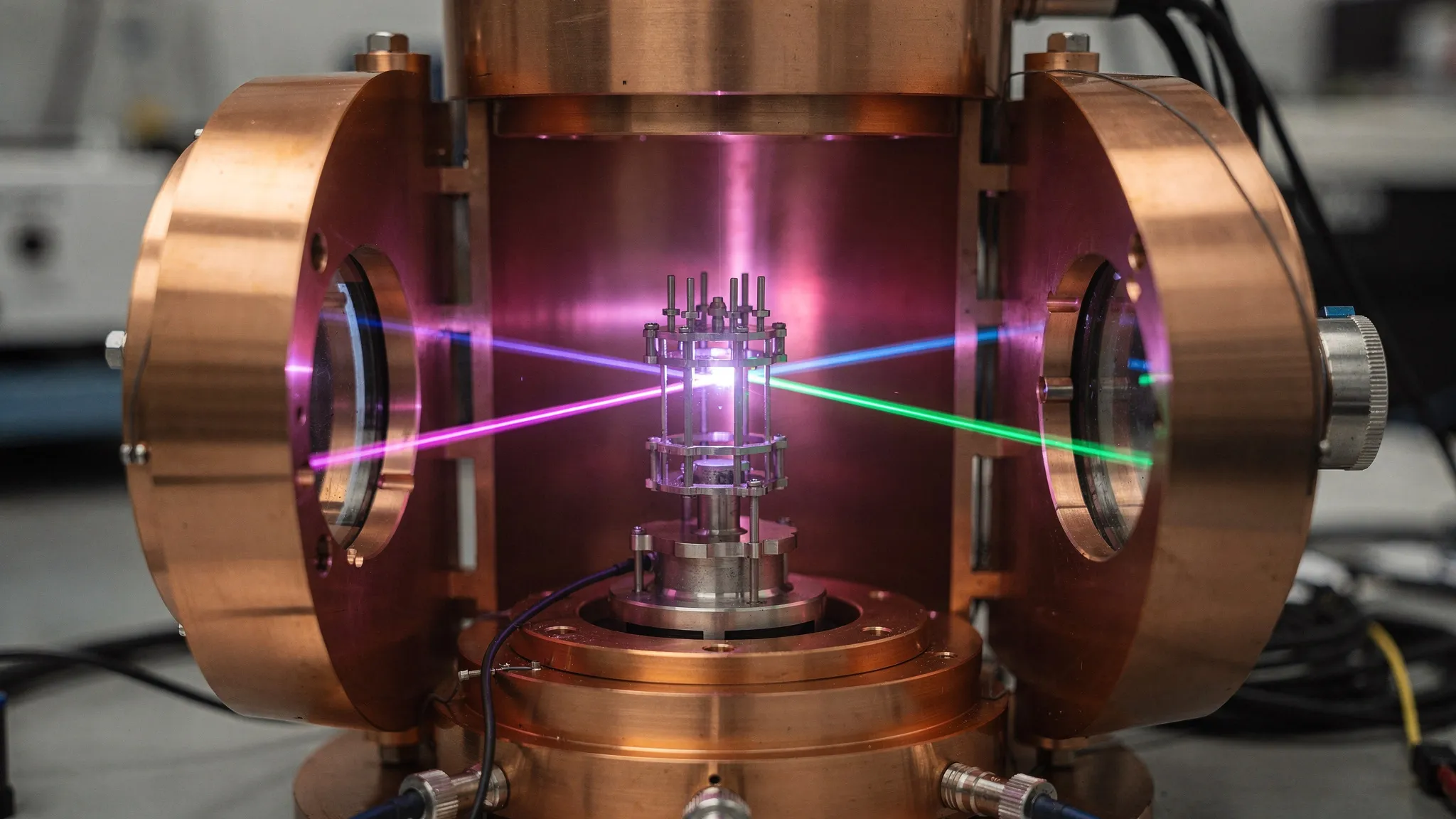
    An open copper cryogenic chamber with a small metal electrode trap at its centre, violet, blue and green laser beams crossing at the trap.

    In cold clouds between the stars, charged water molecules, H2O+, are a step toward water. Some meet HD, a hydrogen molecule carrying one heavy deuterium atom. Which atom do they steal, H or D?

    In Basel, chemists chilled a water ion to thousandths of a degree above absolute zero. HD gas, cooled on 5.4-kelvin walls, then struck it. Each hit carried the energy of a gas at about 7 kelvin.

    A reaction changes the ion's mass, which shows in how the pair wobbles. Over 441 reactions in 16 days, hydrogen won 271 times, deuterium 170. Corrected for a small impurity, that is 1.50 to 1, give or take 0.15.

    Simulations predicted a weaker preference, 1.15. The gap may come from quantum effects left out, or from the cold walls. If more ordinary hydrogen reached the ion than assumed, 1.50 may be too high.

    Source: Single-molecule cold chemistry: Isotopic branching ratios of the H2O+ + HD reaction at cryogenic temperatures, https://arxiv.org/abs/2610.32904

    PreprintExperiment🧪 Experiment
  7. Mathematics

    THE LARGEST AMOUNT YOU CAN'T PAY, NOW TIGHTLY BOUNDED

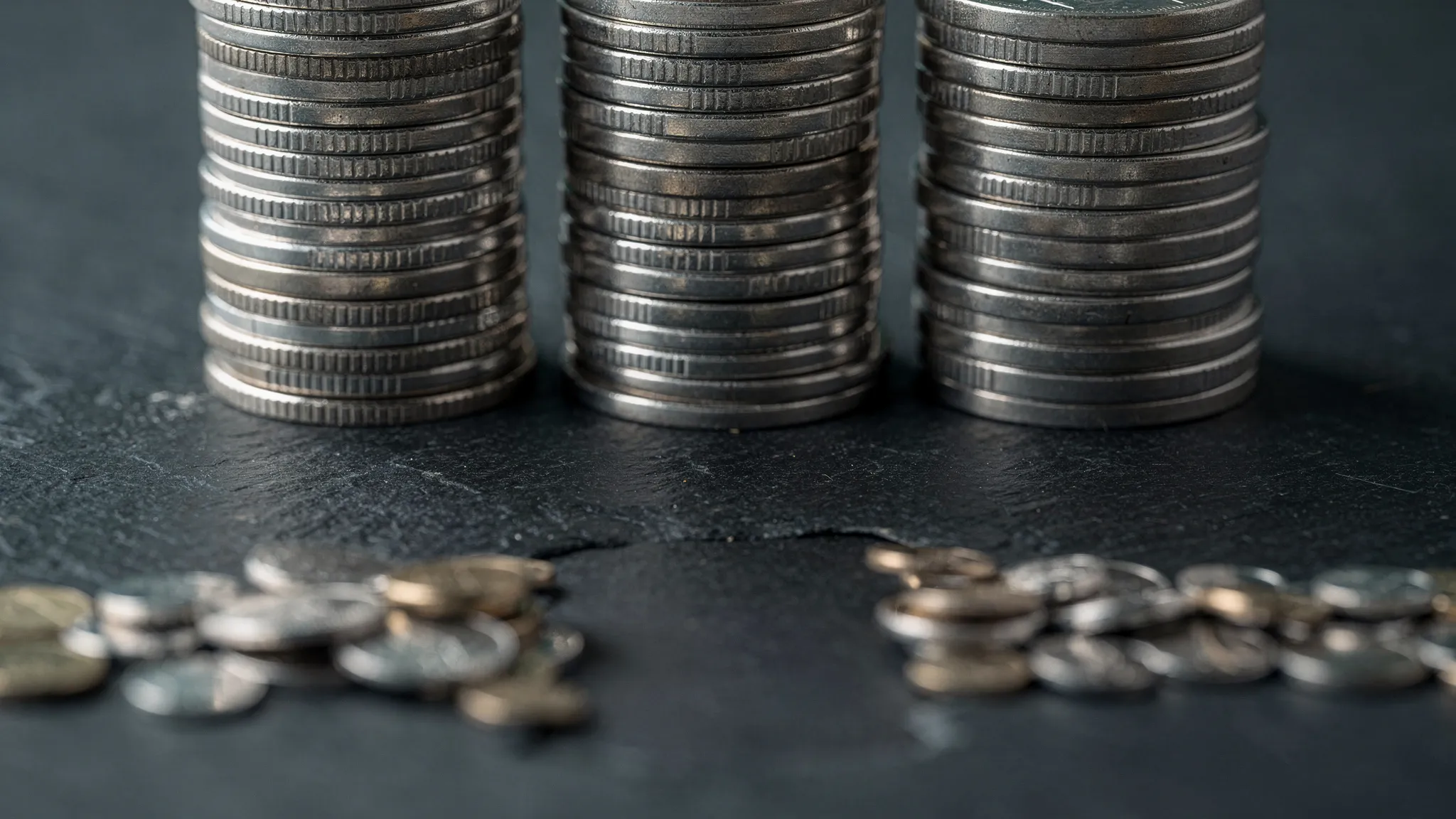
    Three tall stacks of metal coins on a dark slate table, in front of them two small heaps of loose coins of mixed sizes separated by a wide empty space, in cool bluish light.

    Pick some coin values with no factor common to all of them. Some amounts can never be paid exactly. The largest one is called the Frobenius number.

    With two coin values, a simple formula gives it. With three or more, mathematicians look for upper limits. The classic one, by Erdős and Graham, carries an extra factor of 2.

    Four researchers from Zhejiang University's computer science college have removed that factor. Their limit depends on the two largest coins and on the number of coin values. It can clearly beat Dixmier's, the other classic limit, if the second-largest is relatively small.

    Try coins of 3, 4 and 6: only 1, 2 and 5 cannot be paid. The new limit says exactly 5, older ones 10 and 18. It is one of infinitely many extreme cases proving the limit cannot be lowered.

    Source: A Sharp Upper Bound for the Frobenius Number, https://arxiv.org/abs/2610.32219

    PreprintTheory🧪 Experiment
  8. Space & astronomy

    THE MILKY WAY'S GAMMA GLOW: A SIGNAL, OR A BAD MOMENT?

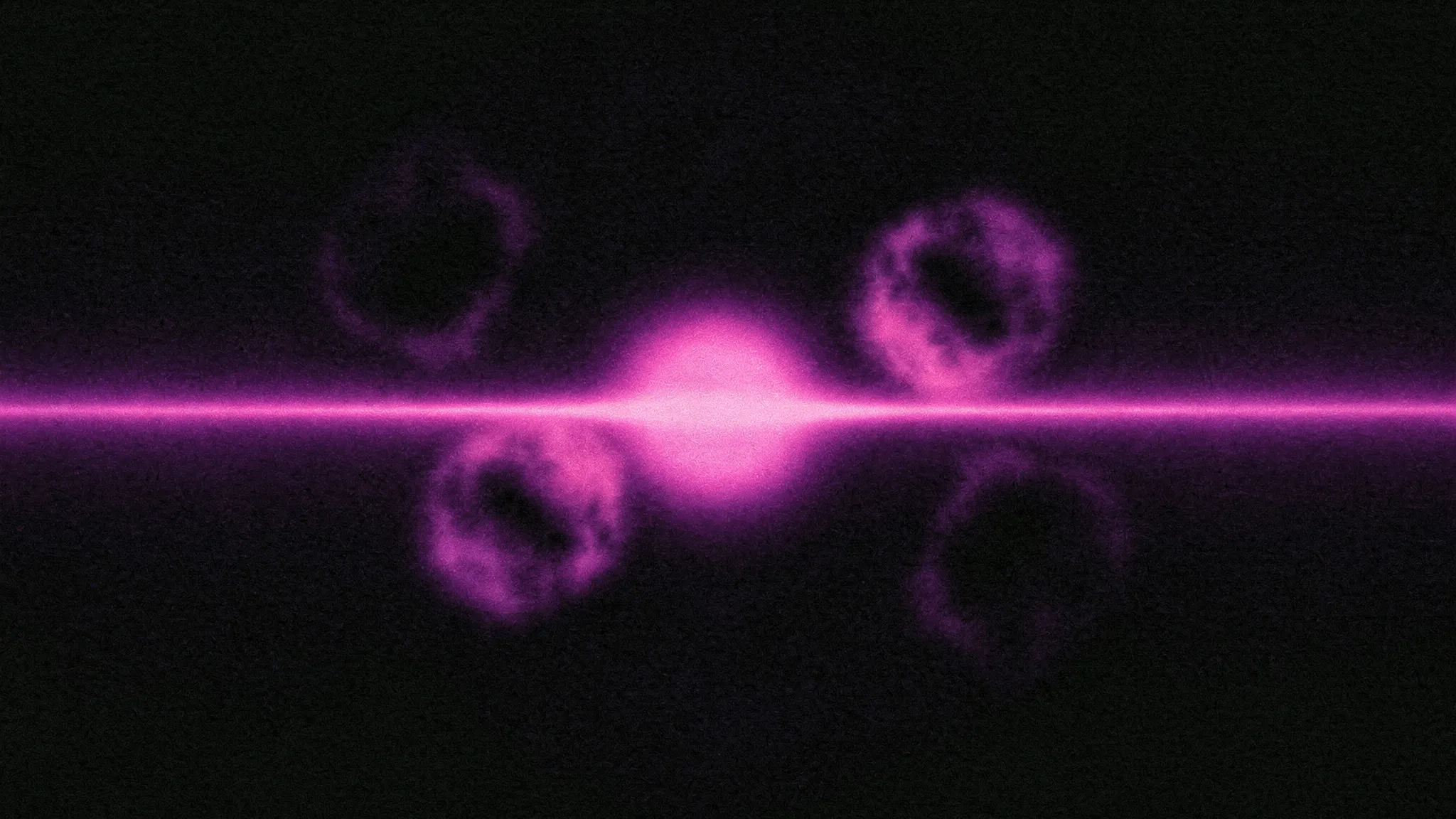
    Stylised false-colour view of a thin glowing galactic disc with a bright central bulge, surrounded by four diffuse patches of glow with darker hollows, on a black background.

    A space telescope called Fermi sees extra gamma rays from our Galaxy's centre. For nearly two decades, nobody has agreed why. Dark matter, or many sources too faint to see one by one?

    Two researchers at MIT and Caltech simulated two galaxies like ours. Exploding stars fill them with cosmic rays, particles that produce gamma rays. No dark matter was added, only supernova cosmic rays.

    They compared each moment with each galaxy's calm average. The centre keeps flickering: bumps appear and fade, often bigger than Fermi's. At one moment, a bump looked strikingly like the real excess.

    So we may simply be looking at our Galaxy at an unlucky moment. The authors call this the look-elsewhere effect. But with two galaxies, nobody can yet say how often such a fluke happens.

    Source: The Galactic Center γ-ray Excess and the Look-Elsewhere Effect, https://arxiv.org/abs/2610.32845

    PreprintSimulation❓ Quiz
  9. Physics

    SHINE THE RIGHT LIGHT, AND ALMOST NO ELECTRON COMES OUT

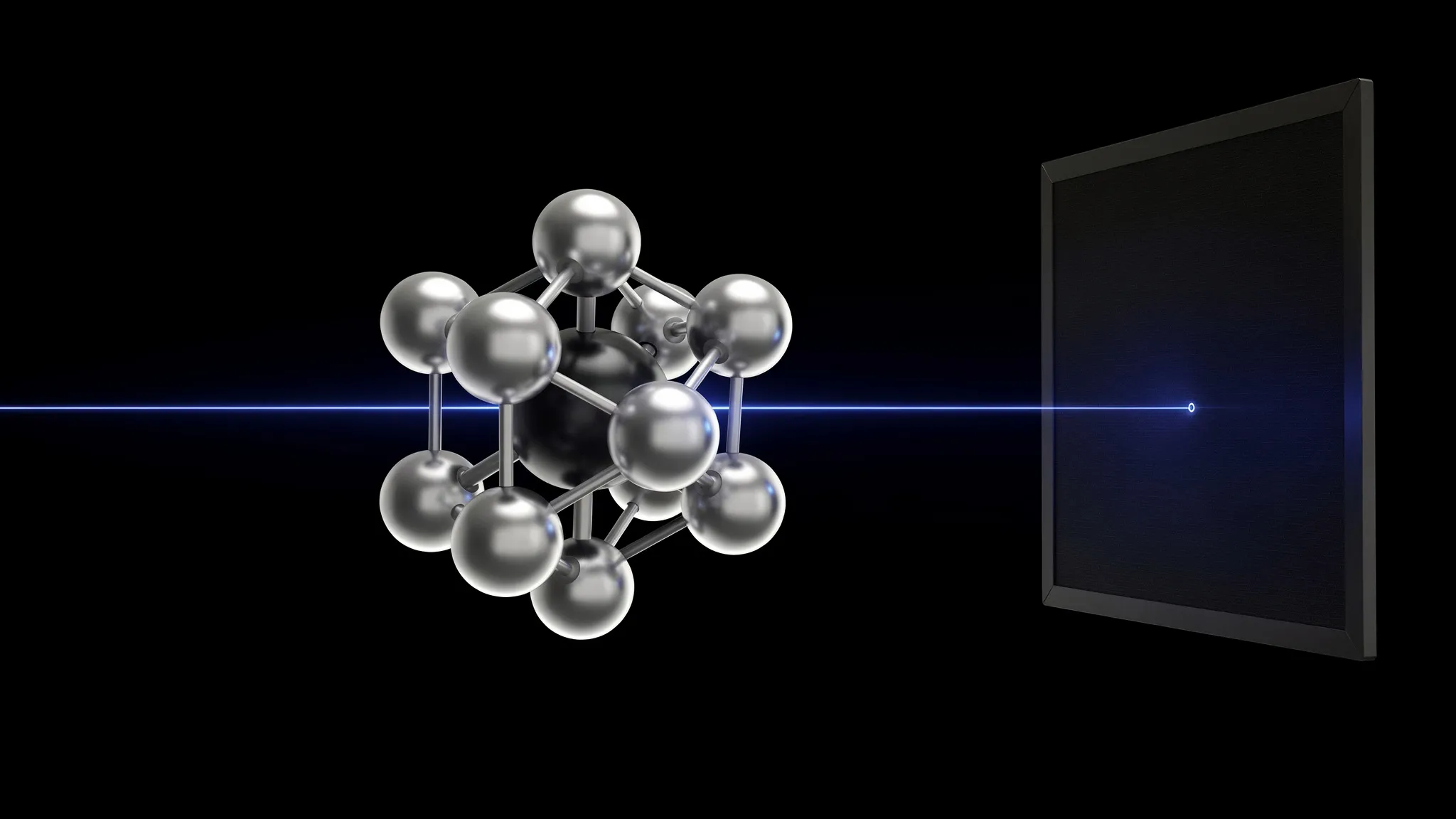
    Illustration of a cluster of about a dozen shiny silver spheres around one dark central sphere, crossed by a thin blue laser beam, with an empty black detector screen behind it.

    Shine light on matter with enough energy, and electrons fly out. That is the usual rule. Yet at certain energies, the number of escaping electrons dips: a "Cooper minimum".

    A team in Japan built a "superatom": 12 silver atoms caging one tungsten atom. This 13-atom cluster mimics a single atom. Its outermost electron spreads over a nearly perfect sphere.

    They raised the laser energy step by step. At one precise energy, well above the minimum needed, almost no electrons came out. The maths of the escape adds positive and negative pieces that cancel exactly.

    According to the authors, such total cancellation had never been reported outside atoms. Their simulations suggested it should be common in nearly round clusters. A molybdenum twin, Ag12Mo⁻, confirmed it.

    Source: Zero photoemission from icosahedral superatoms, https://arxiv.org/abs/2610.32031

    PreprintExperiment🧪 Experiment
  10. Computing & AI

    GPT-5 SPOTS ITS OWN WRITING BETTER THAN WE DO

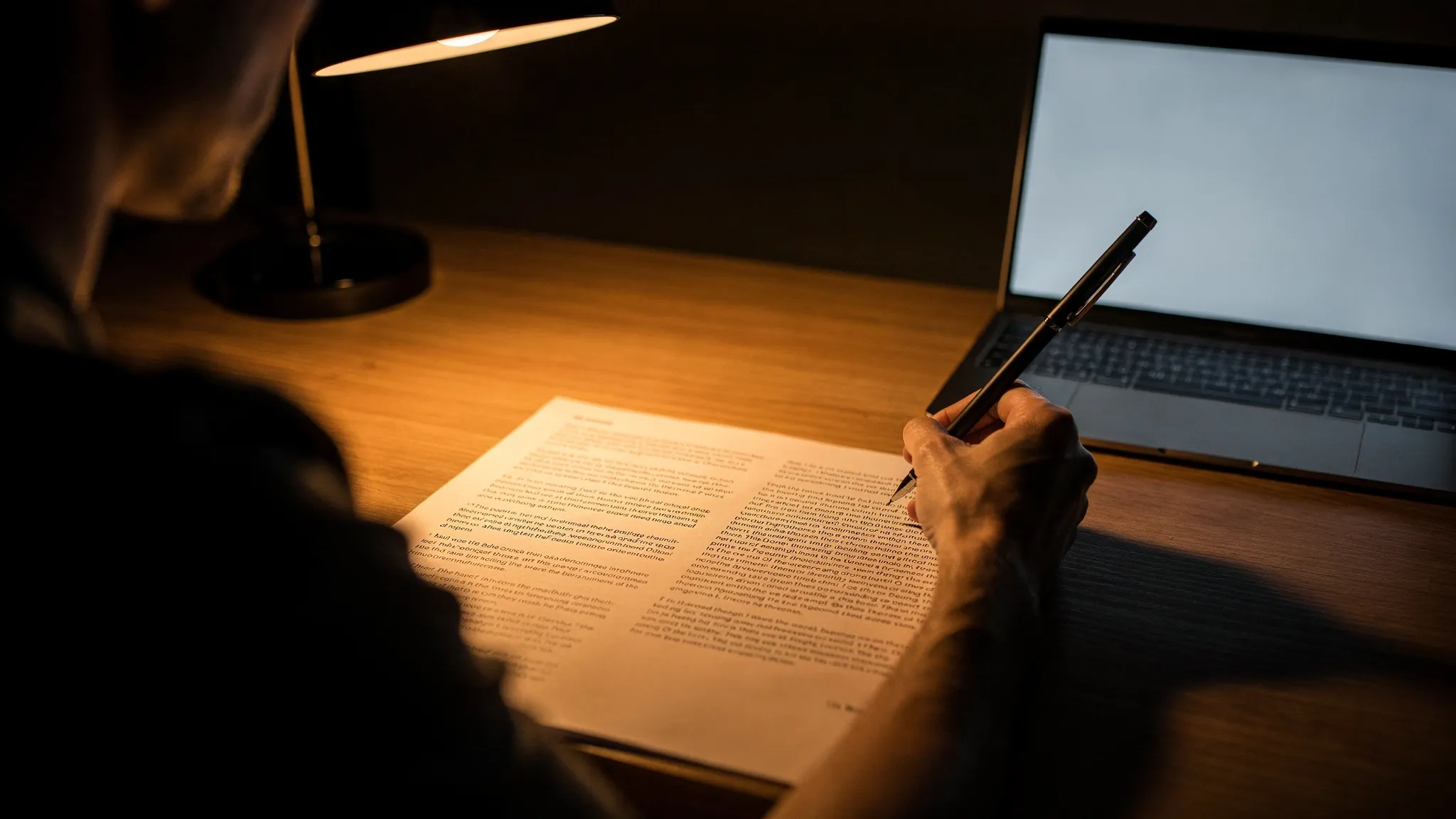
    A hand holding a pen over a printed sheet with two columns of text, under a warm desk lamp at night, a laptop open beside it.

    The Turing test asks whether a judge can tell a machine's text from a human's. But a fooled judge proves little. Maybe the clues are there, and the judge just misses them.

    A team led from Hamburg flipped the test. 3,824 people, plus GPT models, judged pairs of answers to short social stories. One answer was human, the other from GPT-4 or GPT-5.

    Against GPT-5, people did worse than against GPT-4, though still above chance. Yet a simple statistical model still told the texts apart 92.5% of the time. GPT-5, judging its own answers, clearly beat the humans.

    The twist comes when GPT-5 explains itself. It names many of the right clues. But it called detailed text machine-like, while its actual choices treated detail as human.

    Source: Beyond pass or fail: an information-processing account of the Turing Test, https://arxiv.org/abs/2610.32868

    PreprintExperiment❓ Quiz
  11. Medicine & health

    IS IT THE THERAPY, OR JUST THE HEADSET?

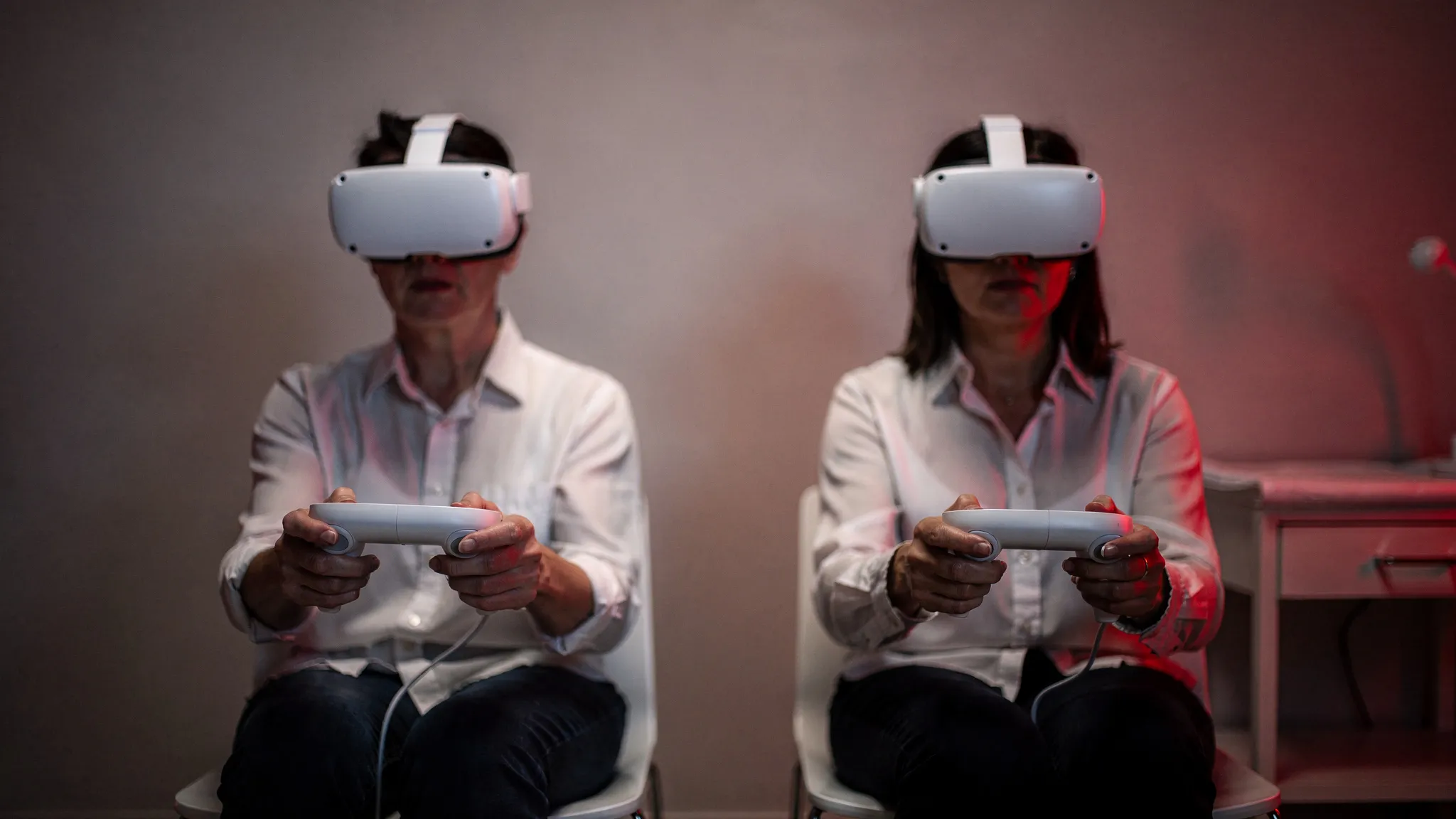
    Two adults sitting side by side on identical chairs in a clinic room, wearing the same white virtual reality headset and holding the same controller, in red-tinted light.

    Virtual reality headsets are now tested against anxiety, pain and depression. Patients include anxious children before surgery, pregnant women and people afraid of heights. But what are they compared with?

    Researchers in Estonia and the Netherlands reviewed 22 recent clinical trials of these therapies. In 14 of them, the comparison group got nothing comparable. They got usual care, a waiting list or text-based therapy.

    Those 14 trials almost always found a benefit: 13 out of 14. Trials with a real alternative found one only 3 times out of 8. There, both groups usually got better.

    So maybe the headset itself helps, whatever it shows. The authors want a "virtual placebo", a kind of sugar pill in 3D. Same headset, same session length, same activity, minus the healing ingredient.

    Source: Virtual Placebo: a scoping review of control conditions in randomized controlled trials of psychological immersive virtual reality interventions, https://arxiv.org/abs/2610.32232

    PreprintData analysis❓ Quiz
Legal notice