Edition of November 5, 2026

  1. At The Knowledge Frontier, we pick out the research papers of the day and explain them simply.

    The web has changed in nature. We no longer search, we scroll. Pages look alike, texts are churned out, and we end up reading a great deal without keeping any of it. Educating yourself there has become a strangely passive affair.

    Here, you do more than read. Every article ends with a quiz: a few questions on what you have just read. When the subject lends itself to it, it is an experiment — you set the values yourself and recover, in turn, the researchers' result.

    @VirScience
  2. Physics

    A QUANTUM CAT THAT STAYS PUT FOR MINUTES

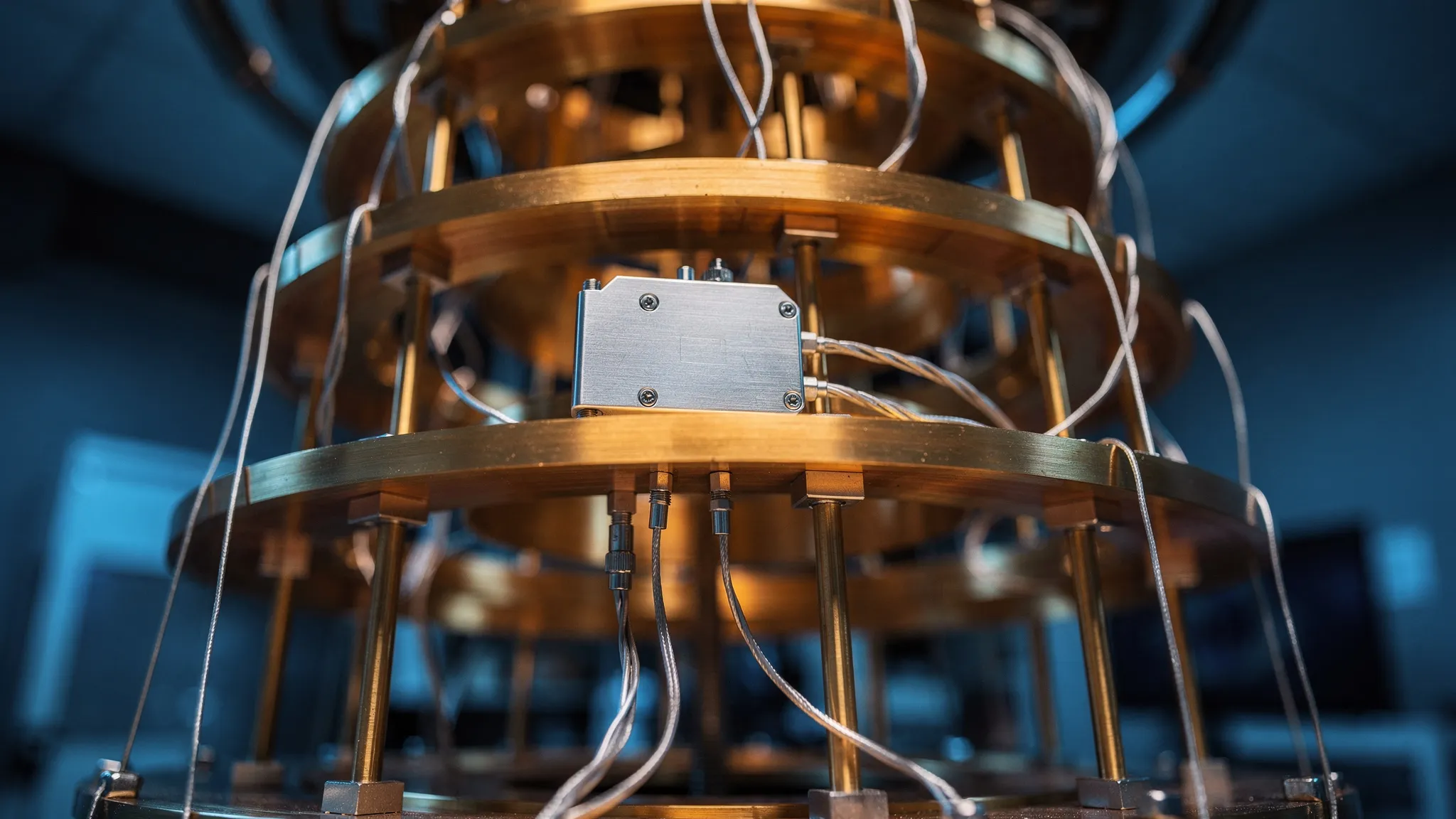
    Tiers of gold-coloured plates inside a cryostat, with a small aluminium box and thin cables in the middle, lit in blue.

    A quantum bit is fragile. Noise can flip it at any moment. One strategy: make one kind of error almost impossible, then correct the other.

    "Kerr-cat" qubits store 0 and 1 as two opposite oscillations of a microwave field. Each rests in its own valley. Until now, they flipped by accident within milliseconds.

    A team at the Weizmann Institute found a free fix. The interaction that digs the valleys also drains stray energy away. It ends up lost in the readout circuit. No extra drive, no extra part.

    Each added photon multiplies the time between flips by about 1.8. With 34 photons, it reaches 448 seconds. The other error type remains, at about a tenth of a microsecond.

    Source: Autonomous cooling of Kerr-cat qubits to minutes-long bit-flip times, https://arxiv.org/abs/2611.04868
    PreprintExperiment❓ Quiz
  3. Mathematics

    A CEILING FOR A + B = C, WITH EXPONENT 24

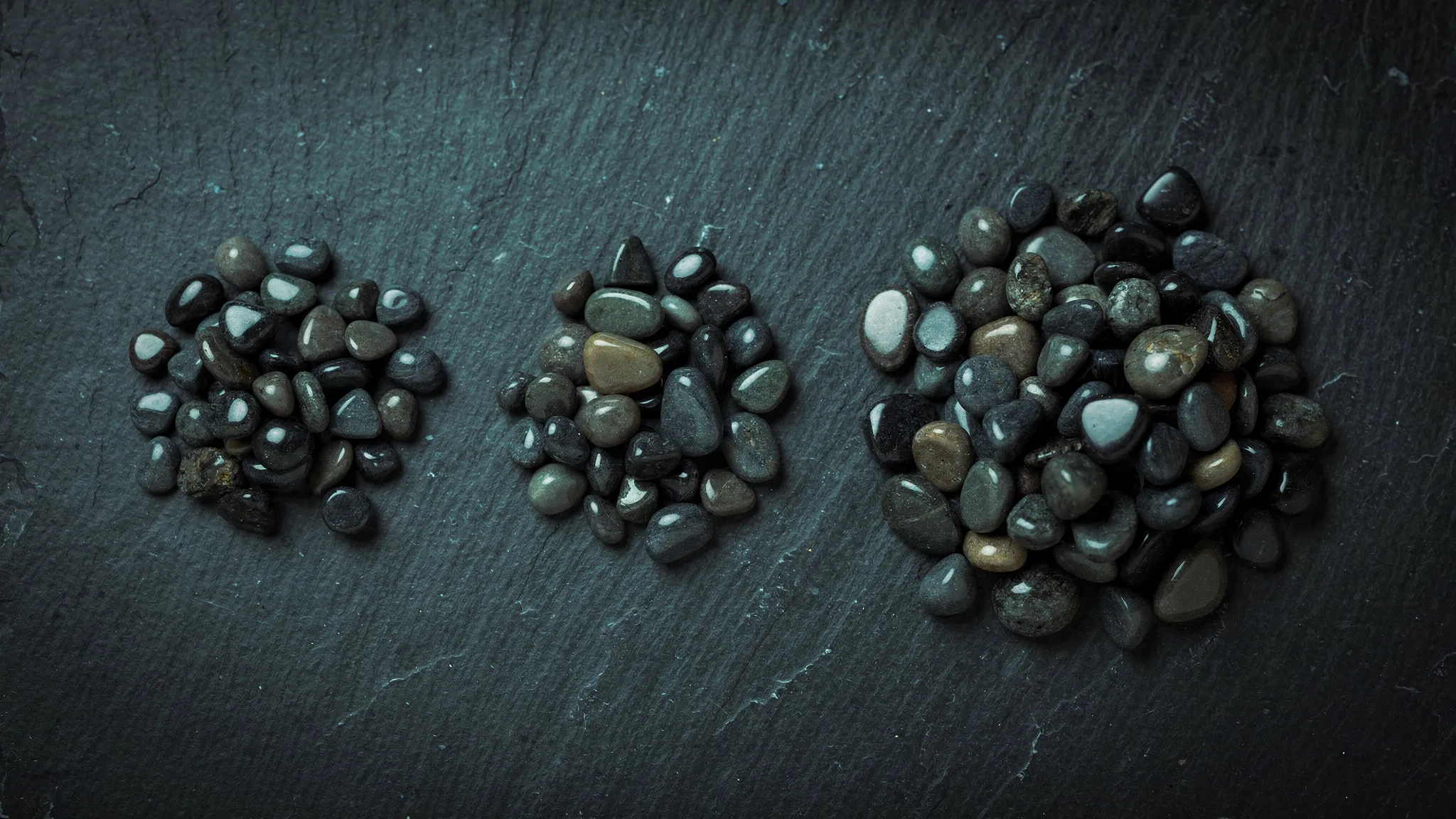
    Three heaps of small polished stones on dark slate, two small heaps and one much larger.

    Take a + b = c, three whole numbers with no common factor. Multiply the primes that divide them, each counted once: call it N. For 1 + 80 = 81, N is 30.

    Can c be enormous while N stays small? The abc conjecture of Masser and Oesterlé says no: c stays below a constant times a power of N as close to 1 as you like. Many other results would follow from it.

    Christophe Soulé, of the CNRS and the IHÉS in France, has posted a 39-page proof of a weak form. In it, c never exceeds a constant times N to the power 24, plus a tiny bit.

    The author calls this exponent "wrong" compared with the conjecture. The work is a preprint, not yet checked by other mathematicians. If it holds, consequences of abc follow too, with weaker constants.

    Source: On the abc conjecture, https://arxiv.org/abs/2611.05217

    PreprintTheory❓ Quiz
  4. Mathematics

    WINNING THE MATCH WITH FEWER POINTS

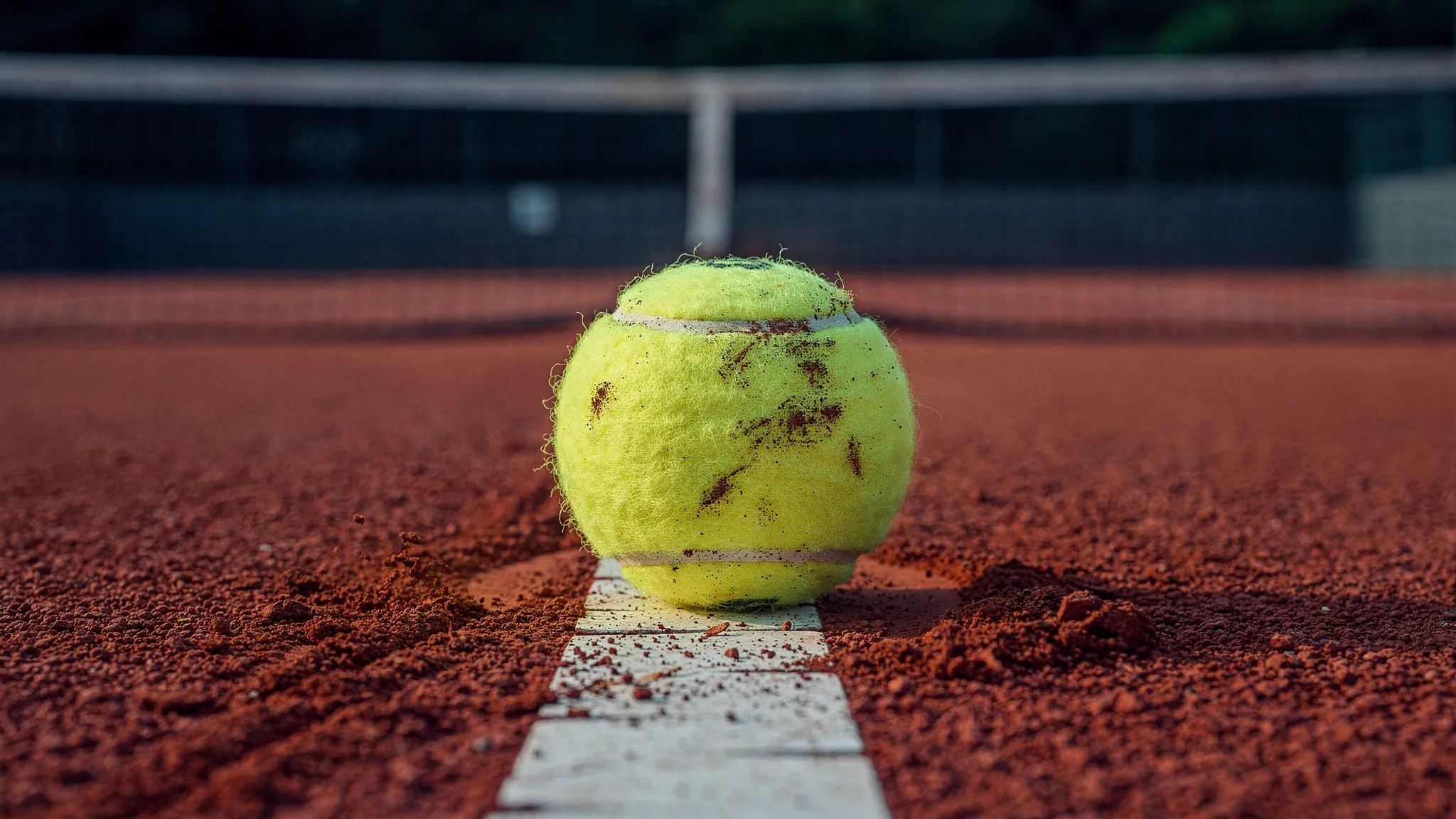
    A clay-stained tennis ball resting on the white line of a red clay court, the net blurred behind.

    Roger Federer's career in two numbers: almost 80% of matches won, with only 54% of the points. Tennis scoring turns a small edge into a big one.

    Physicists in Madrid measured this magnifying effect. It depends almost only on the number of points in a match. Win 52.5% of the points, and you win 80% of five-set matches.

    But some points weigh more: those that close a game, a set or the match. Play slightly better on them, and you can win most matches with fewer than half of the points.

    Fabio Fognini did exactly that. Over 774 matches, 49.4% of the points, yet 51.2% of the matches won. The trick: winning the close sets, and giving away the lopsided ones.

    Source: Beyond the Federer paradox in tennis, https://arxiv.org/abs/2611.03702

    PreprintData analysis🧪 Experiment
  5. Space & astronomy

    THREE PLANETS THAT SHOULD HAVE BEEN SWALLOWED

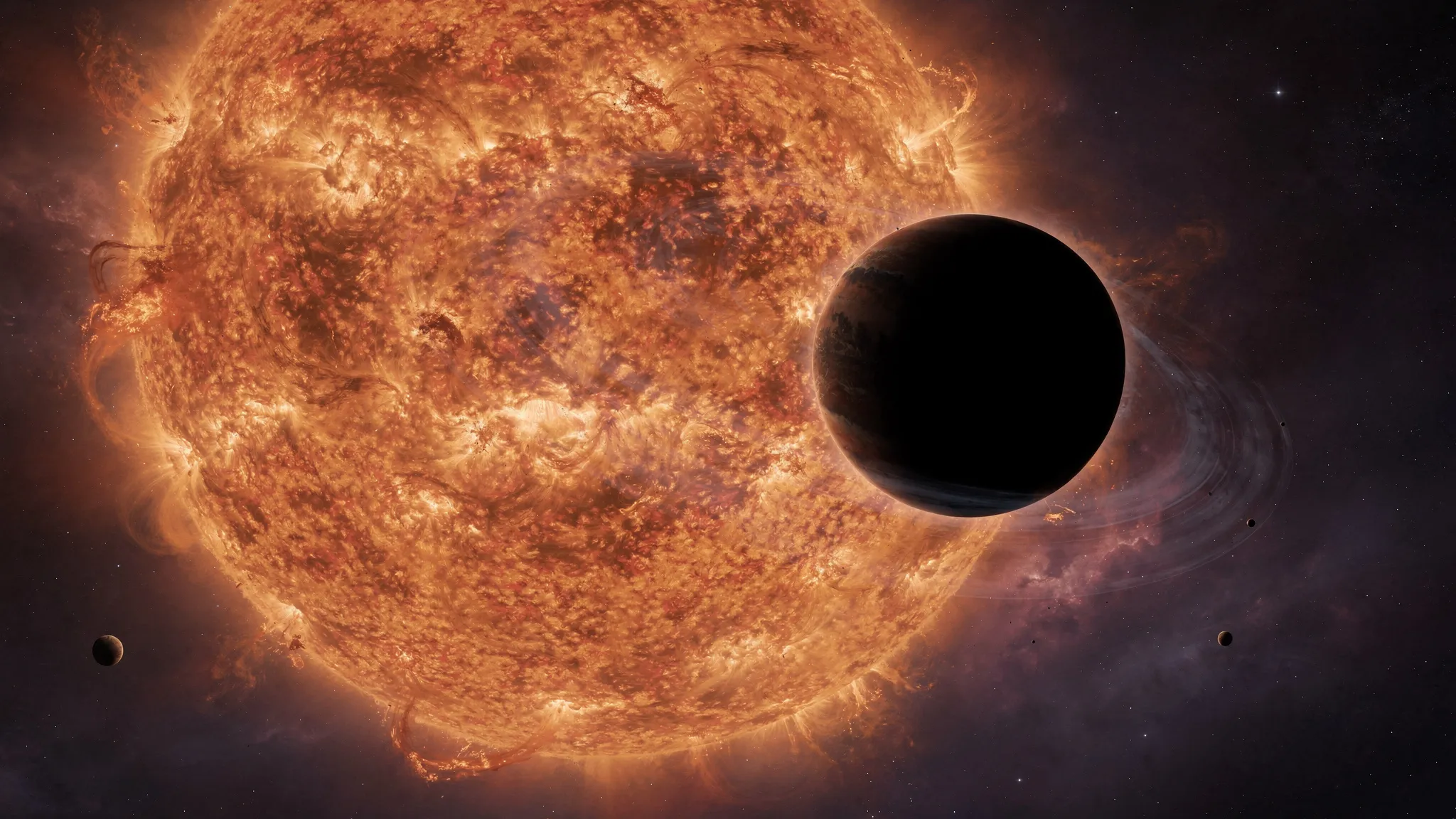
    A dark planet silhouetted in front of a huge glowing orange star.

    When a star like the Sun ages, it swells into a red giant. Any planet in a close orbit should be dragged in and swallowed.

    Astronomers in China listened to the vibrations of stars, recorded by TESS. Three stars hosting planets have already passed their maximum size. They have shrunk back.

    Yet, by the standard models, their planets orbit closer than the size those stars once reached. The record: 24 Boo b, one lap every 30 days, at 0.183 times the Earth–Sun distance.

    Only one such "forbidden" planet was known before. Three more make a pattern: a new class of planetary systems. A past merger of two stars? A disk born from a swallowed planet? The authors offer ideas, but no proof yet.

    Source: The Survival Paradox of Close-In Planets Orbiting Red Clump Giants, https://arxiv.org/abs/2611.04544

    PreprintData analysis❓ Quiz
  6. Physics

    CAN LIGHT BOUNCE OFF LIGHT?

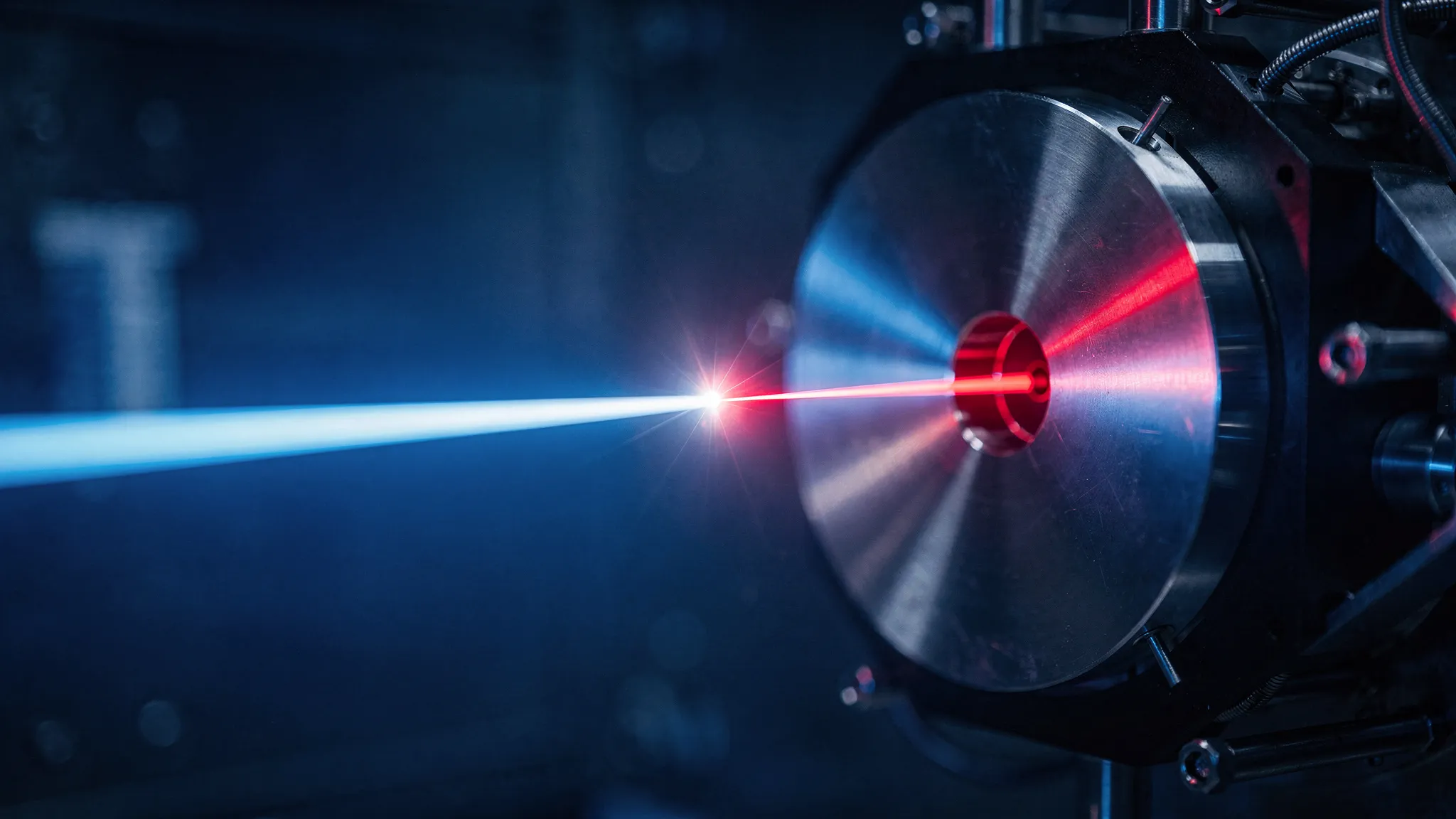
    A blue beam and a red laser beam meeting head-on at a bright point, in front of a metal mirror with a hole at its centre.

    Cross two flashlight beams: they pass through each other. Light does not bump into light. Yet quantum physics predicts a tiny exception, through the "empty" vacuum itself.

    In Germany, physicists fired X-ray pulses head-on into an ultra-intense laser. Its 4 joules were squeezed into a spot about a micrometre wide. Then they hunted for X-rays knocked off course.

    The expected signal is minuscule. So they hid the main beam behind the shadow of a thin wire. Over 2,751 collisions, no deflected photon stood out from the noise.

    Silence still teaches something. The bound on light-by-light scattering at low energy is now about ten billion times tighter. With planned upgrades, the team hopes to finally see the effect.

    Source: A New Bound on Light-by-Light Scattering in the Low-Energy Regime, https://arxiv.org/abs/2611.04531

    PreprintExperiment❓ Quiz
  7. Computing & AI

    WHEN A 1 COSTS MORE THAN A 0, COMPRESSION GETS HARD

    A punched paper tape with rows of small holes curling across a dark wooden desk beside a brass reader.

    To compress a text, give short codes to frequent letters and longer ones to rare letters. In 1952, Huffman found a fast recipe for the best possible code.

    That recipe assumes 0 and 1 cost the same. What if one costs more, say to transmit or store? Fast methods exist for any fixed pair of costs. But the general case stayed open for decades.

    Two computer scientists now prove it is NP-complete. That holds even when the 1 costs just one unit more than the 0. No fast method is known for problems of this family.

    The paper is open about its origin. The authors asked OpenAI's Codex for a proof, then guided, corrected and rewrote it. Its 51 pages turn a puzzle about networks into a coding problem.

    Source: Binary Huffman Coding with Unequal Letter Costs Is NP-Complete, https://arxiv.org/abs/2611.04444

    PreprintTheory❓ Quiz
  8. Space & astronomy

    WHY THE MOON RINGS FOR SO LONG

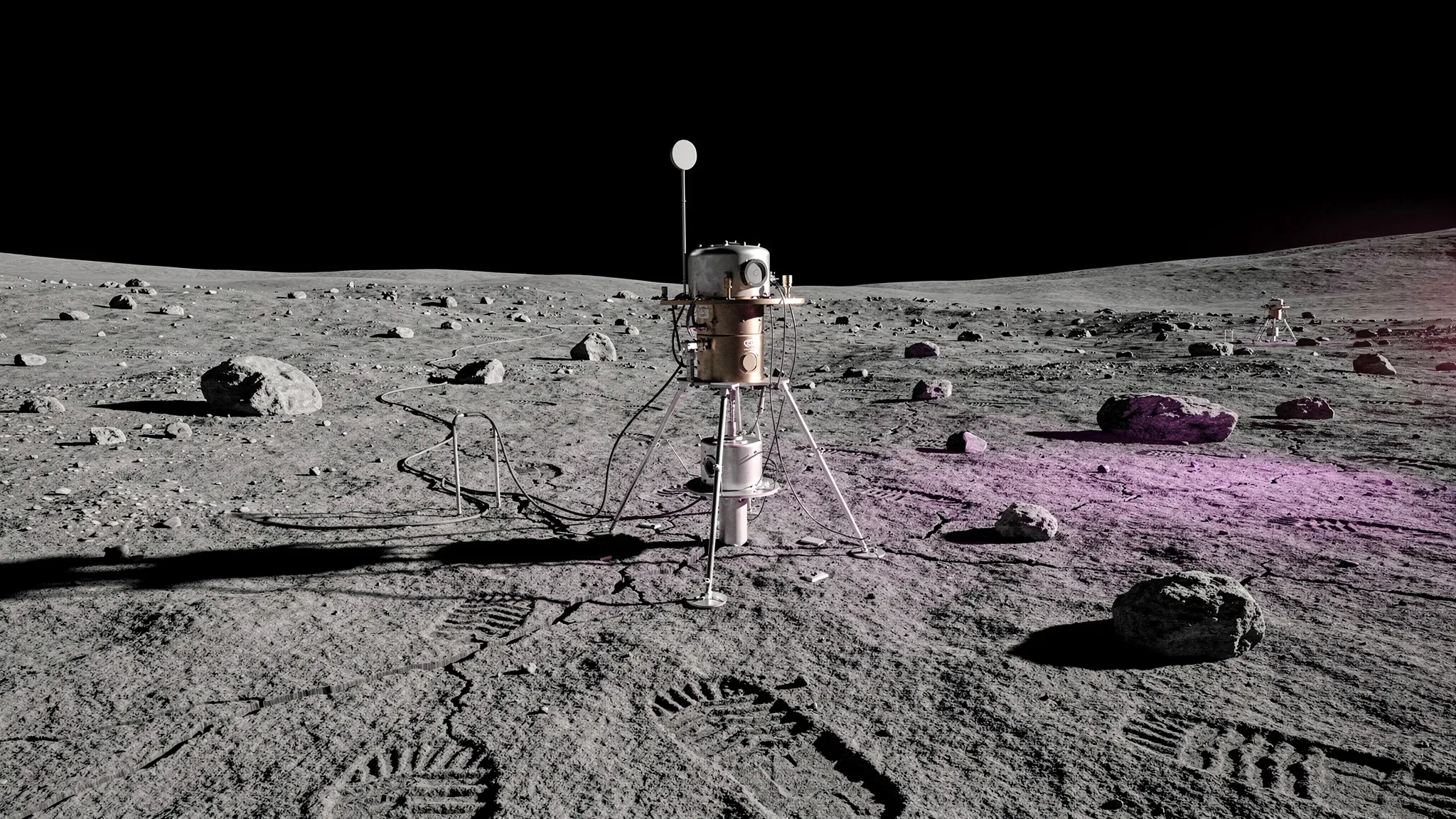
    A seismometer on grey lunar soil among rocks and boot prints, under a black sky.

    On the Moon, a quake does not stop quickly. The shaking can drag on for up to hours. That is about ten times longer than an Earth quake of similar size.

    To find out why, Chinese researchers replayed 13 Apollo records. They came from rocket stages and lunar modules deliberately crashed onto the surface.

    Their simulation fills the first kilometre of crust with empty cracks. A crack acts like a perfect mirror: waves bounce off it and stay trapped. The match with Apollo jumps to 0.92, against 0.47 without cracks.

    On Earth, water slowly seals cracks. On the dry Moon, they persist to this day. Once this ringing is understood, it could be removed from the records, revealing faint echoes from the deep interior.

    Source: Shallow lunar fractures dominate the long-lasting seismic coda, https://arxiv.org/abs/2611.04209

    PreprintSimulation❓ Quiz
  9. Life sciences

    THE TRAILS THAT DRAW THEMSELVES

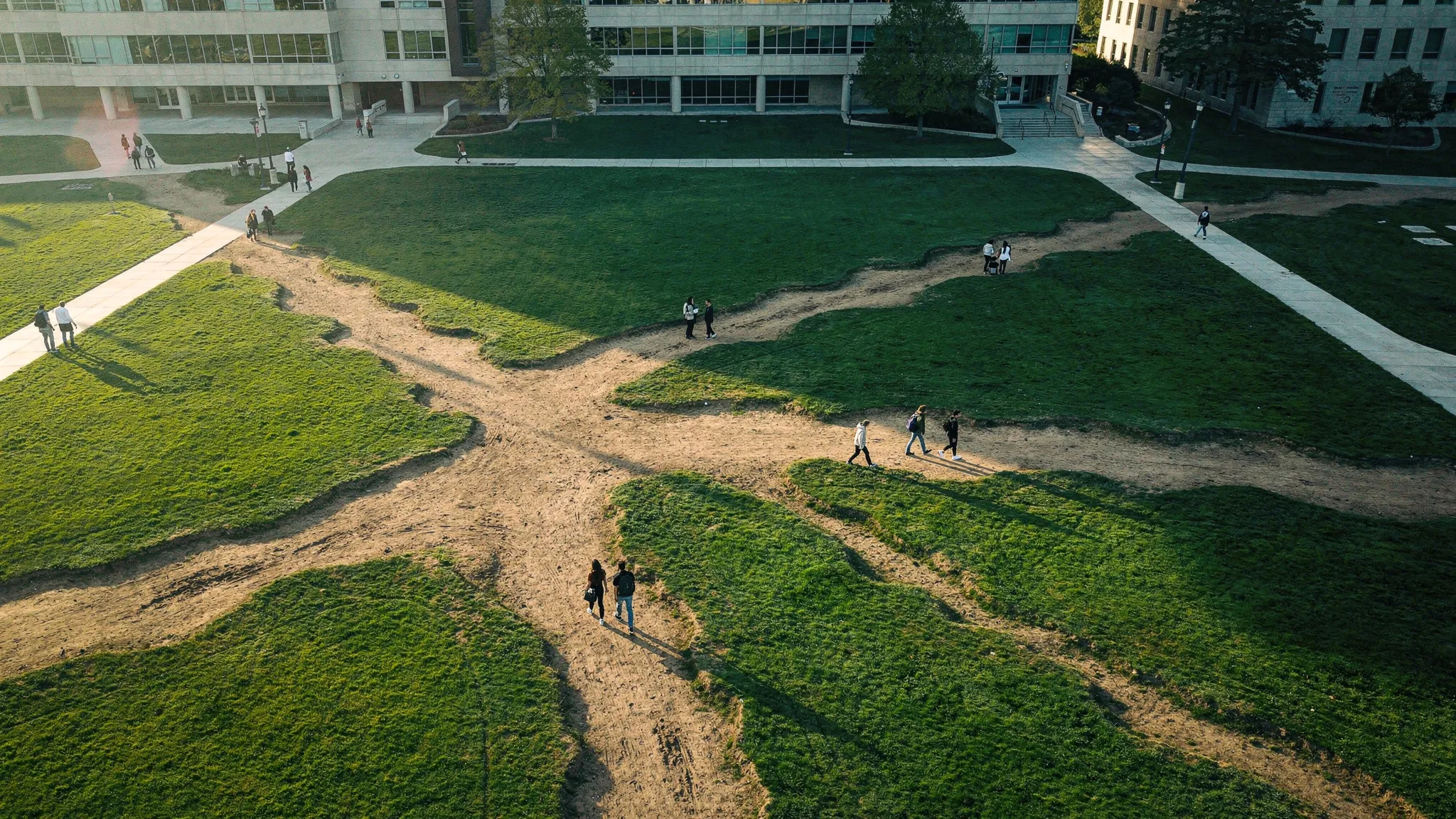
    A campus lawn seen from above, crossed by worn dirt shortcuts that branch and meet between paved walkways.

    Cut across the grass, and you leave a mark. The next person follows it, then the next. A path appears that no one designed.

    Two researchers at the University of Washington simulated walkers who plan the cheapest route to their goal. Each step makes the ground a little easier for the others. Unused ground slowly grows back.

    Trees, rings, crosses: the walkers weave whole networks. These balance the length of trail against travel effort, efficiently. The same start can even settle into different stable networks.

    A bonus rule: people take a shortcut when the paved path is at least 30% longer. In the model, that means leaving the sidewalk at about 40 degrees. Look out for it on your next walk.

    Source: Trail systems self-organize through individual route optimization, https://arxiv.org/abs/2611.04346

    PreprintSimulation❓ Quiz
  10. Computing & AI

    A LOADED DRONE SHOULD FLY FASTER

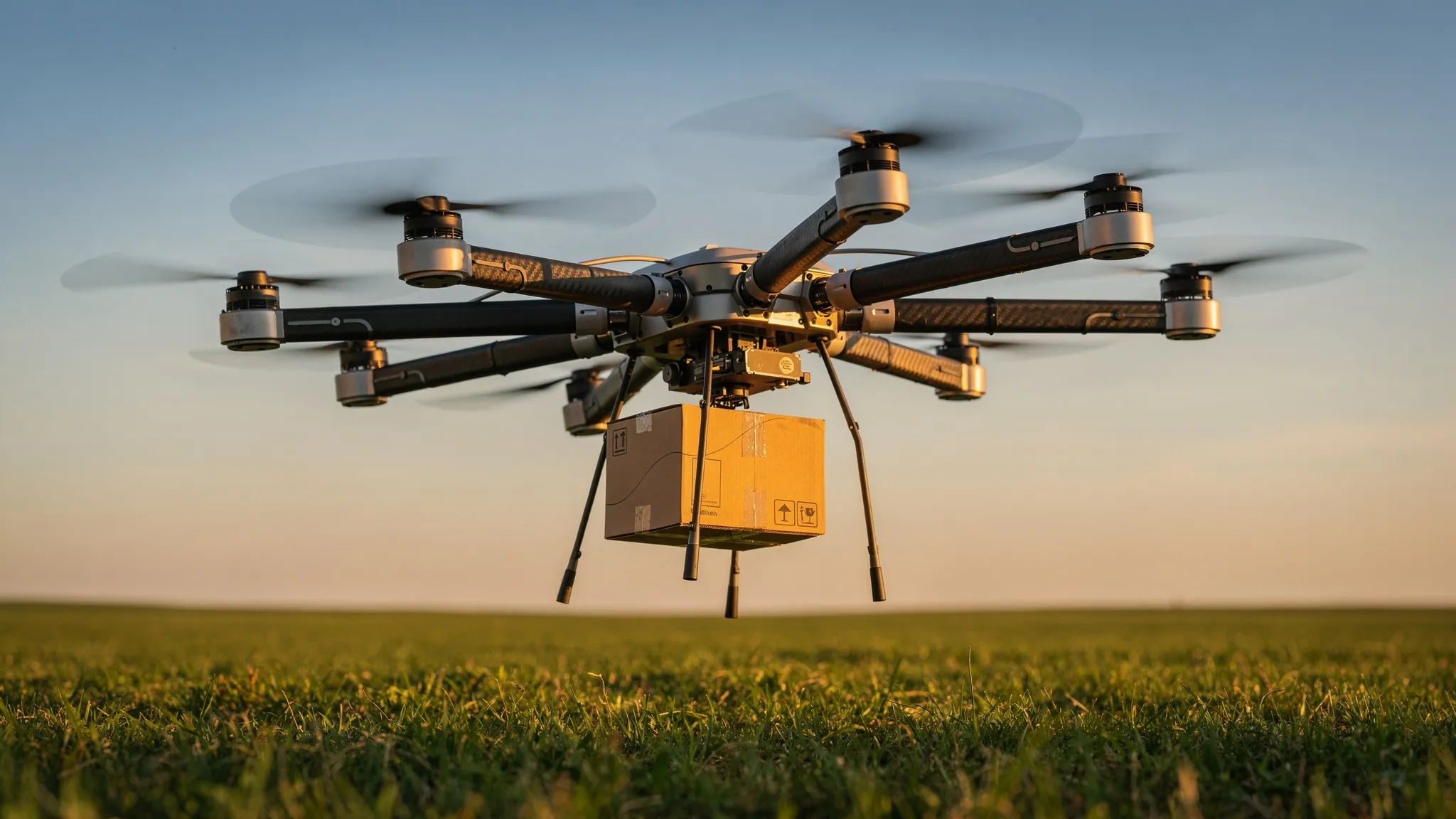
    A multirotor drone carrying a cardboard parcel, flying low over a grassy field at sunset.

    A delivery drone gets lighter with every parcel it drops. Its battery lasts about 30 minutes. So at what speed should it fly to waste as little energy as possible?

    Too slow, and holding itself up costs too much. Too fast, and air resistance wins. In between lies a best speed. Engineers in California and Zurich found how it changes with weight.

    The rule is strikingly simple. The best speed grows with the square root of the mass: double the mass, fly about 1.41 times faster. The best tilt never changes. And the energy per metre simply doubles.

    Two real drones confirmed it in outdoor flights, with up to 44% extra mass. Planning a delivery round becomes simple arithmetic.

    Source: Mass Scaling Laws for Energy-Optimal Horizontal Multirotor Flight, https://arxiv.org/abs/2611.04748

    PreprintTheory🧪 Experiment
  11. Earth & climate

    SAME SHAKE, VERY DIFFERENT LANDSLIDES

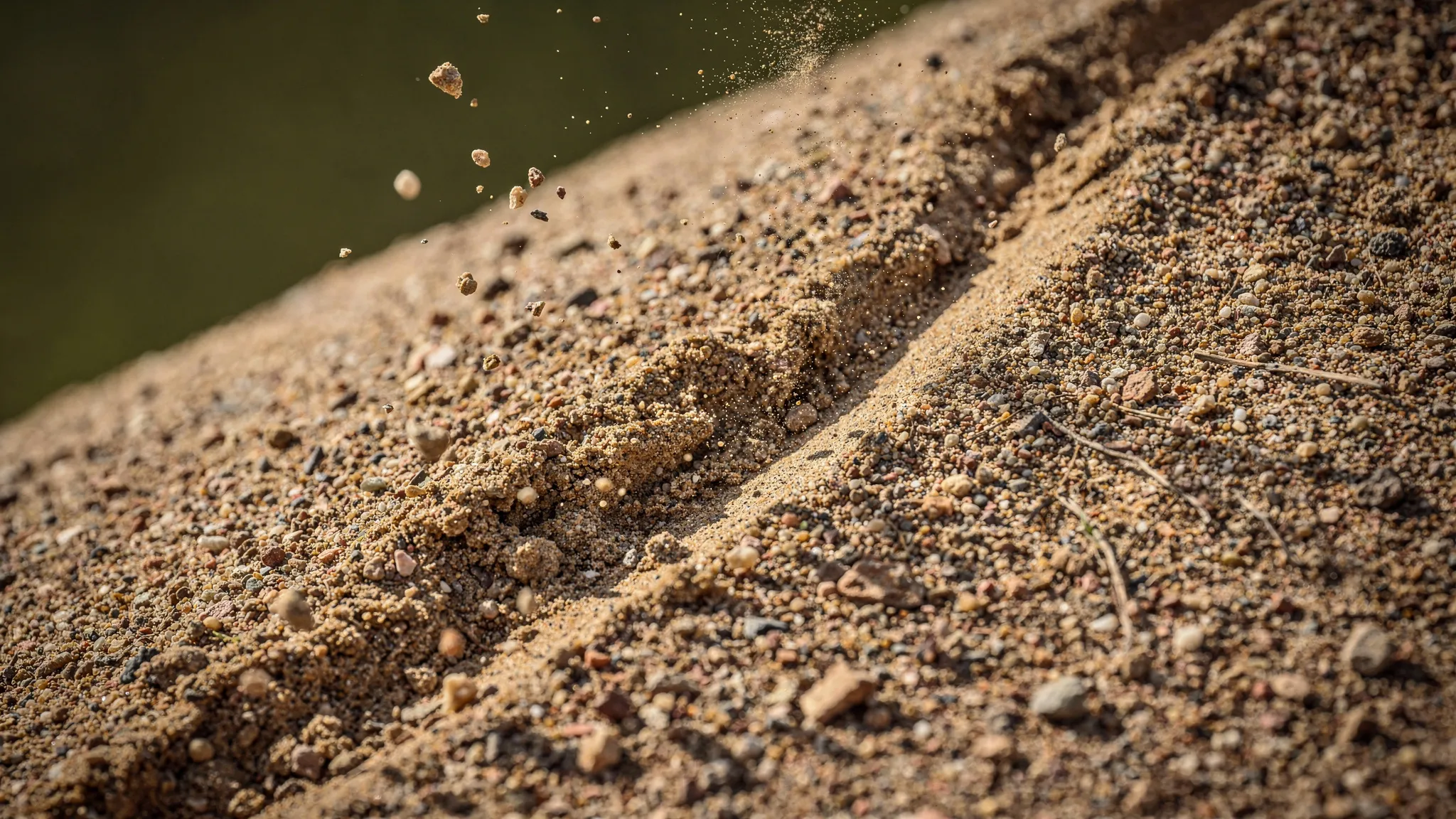
    A slope of sand and pebbles with a strip of grains sliding down and a few grains bouncing off.

    A pile of sand holds still up to a certain steepness, its angle of repose. Shake it, and some grains flow, then stop again.

    At Osaka University, two researchers simulated 2,273 grains on a slope, again and again. Each time, they gave exactly the same push to the base. Only the starting arrangement of the grains changed.

    Close to the critical angle, about 16.7 degrees here, the average flow grows. But its spread grows even faster and can match the average. The same push moves a little, or a lot.

    A model with chance built into the energy balance explains why. For landslides, it means one thing: near the limit, an average is not enough. Only the full range of outcomes says what to expect.

    Source: Amplified transport variability in granular slope flows near the critical angle, https://arxiv.org/abs/2611.04440

    PreprintSimulation❓ Quiz
  12. Chemistry

    WHERE A YOUNG STAR BURNS OFF ITS CARBON

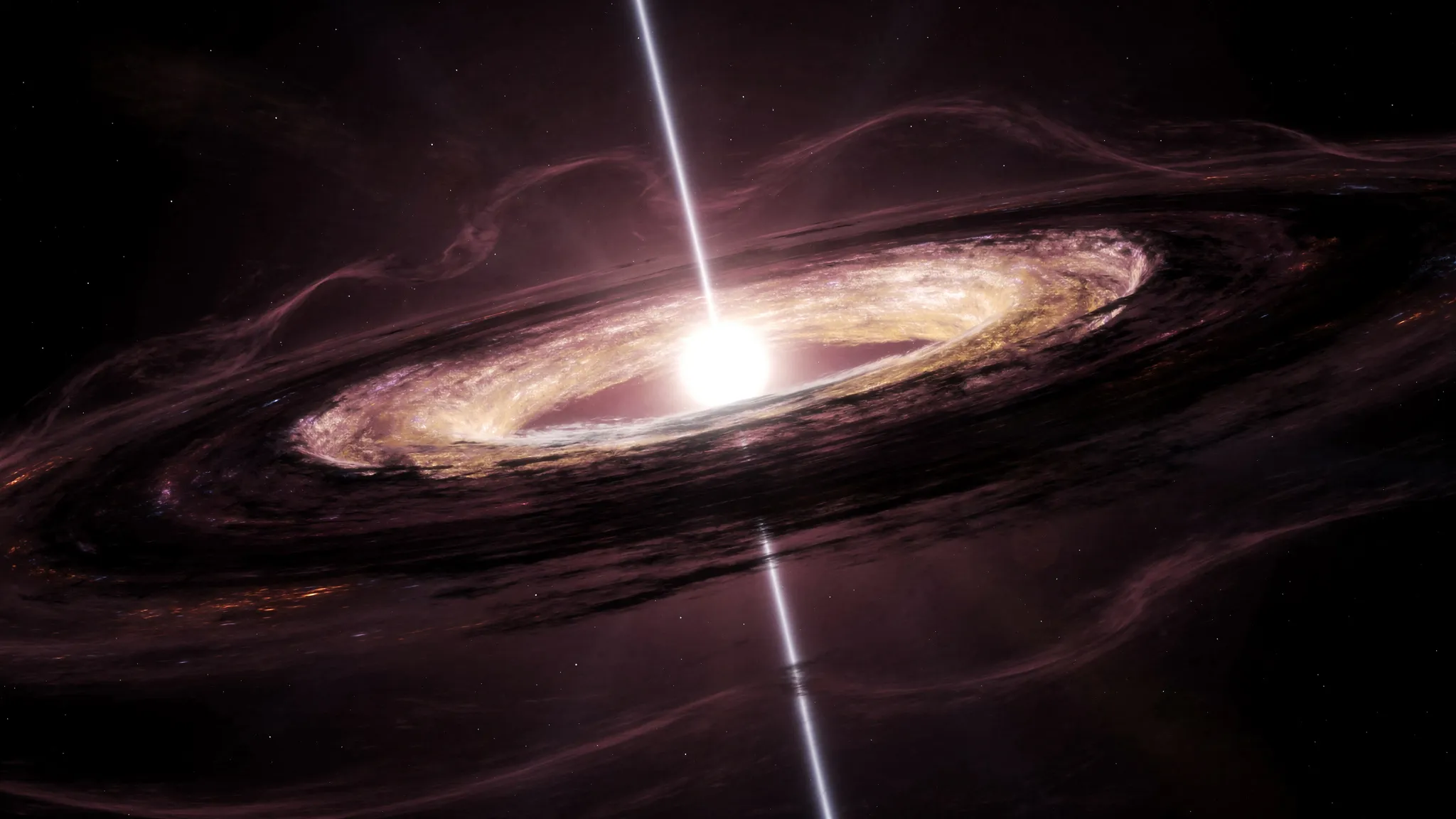
    A young star at the centre of a wide glowing disk, with two thin jets shooting from its poles.

    Carbon is the basis of life. Yet, for its mass, the rocky Earth holds about ten thousand times less of it than the Sun. Where did it go?

    Astronomers turned JWST to HOPS-68, a newborn star in Orion. Close to the star, its disk is hot enough to vaporize even the most stubborn carbon dust. The spectrum is full of hydrocarbons.

    Warm acetylene and hydrogen cyanide, at 320 to 430 kelvins, rush outwards in a wind blowing off the disk. The team proposes a "carbon destruction zone". It would strip carbon from the dust where rocky planets form.

    Farther out, ultraviolet light turns some of it into carbon chains. One of them had never been seen around a young star. Such chains might end up in asteroids like Ryugu and Bennu.

    Source: Up in smoke: carbon-destruction in the terrestrial planet-forming region of a young Class I disk, https://arxiv.org/abs/2611.04557

    PreprintObservation❓ Quiz
Legal notice