Edition of October 7, 2026

  1. Earth & climate

    COSMIC RAYS THAT FEEL THE TIDE

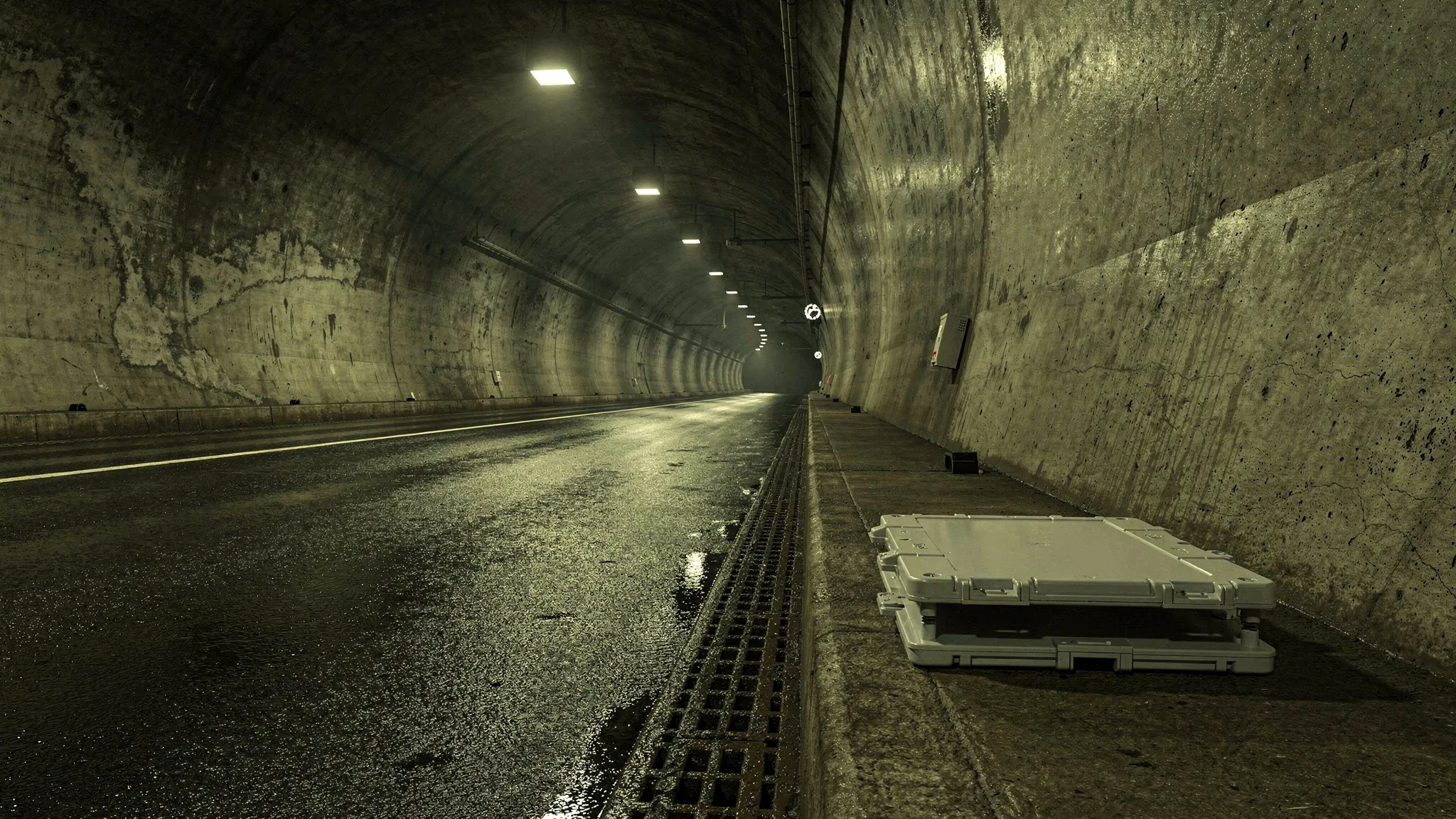
    A long concrete road tunnel lit by a row of lamps, a flat grey particle detector standing on the walkway at the side.

    Under the sea off Korea's west coast, a road tunnel runs 6.9 km through rock. Above it, the tide lifts and drops the water by up to 4 metres. Can you weigh that water from below?

    A Korean team tried, using muons. These particles rain down from cosmic rays and cross rock and water. The more matter above, the fewer get through.

    Their detector sat in the tunnel for 31.6 days and counted 1.9 million muons. Each extra metre of sea cut the count by 1.72 percent. The rhythm matched the tide gauge, about every 12 and a half hours.

    A tide gauge reads the sea level at one spot. Muons weigh all the water overhead. The detector even caught each tide about 7 minutes before the nearest gauge did.

    Source: Precision measurement of ocean tides using cosmic-ray muons, https://arxiv.org/abs/2610.05294
    PreprintExperiment3 min read
  2. Computing & AI

    A HUMANOID ROBOT PULLS A RICKSHAW

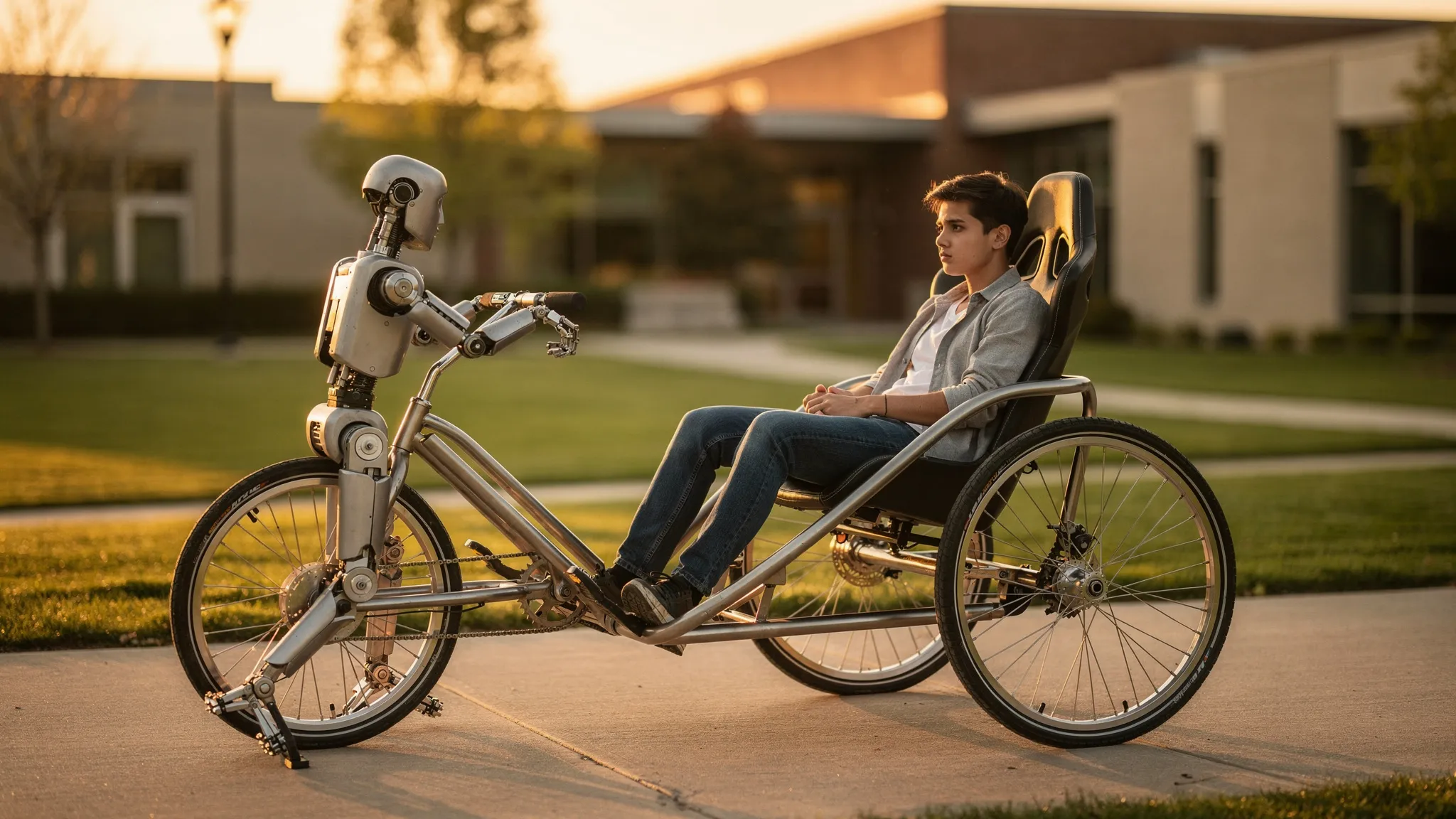
    A small silver humanoid robot standing at the front of a recumbent bicycle-like cart, holding its handlebars, a young passenger seated in a bucket seat behind, on a campus path at sunset.

    Carrying a heavy load wears a robot out. Pulling it on wheels is easier: the wheels take the weight. So a team in Shanghai taught a humanoid to pull a rickshaw.

    The robot cannot see the load or feel the forces directly. It learned in simulation, guessing the cart's behaviour from how its own body reacts.

    On real ground, one single controller pulled a second robot, then two human passengers. The heaviest load, 115 kg, is about 3.15 times the robot's mass. It started, cruised at up to 2 m/s, and stopped. Nobody retuned it between loads.

    Surprise: in most tests, pulling took less joint effort than walking empty-handed. The cart even steadies the robot's sway, like a shock absorber.

    Source: Humanoid Rickshaw Pulling: Whole-Body Locomotion under Coupled Wheeled Loads, https://arxiv.org/abs/2610.04238

    PreprintExperiment3 min read
  3. Computing & AI

    THE PEER-REVIEW LOTTERY

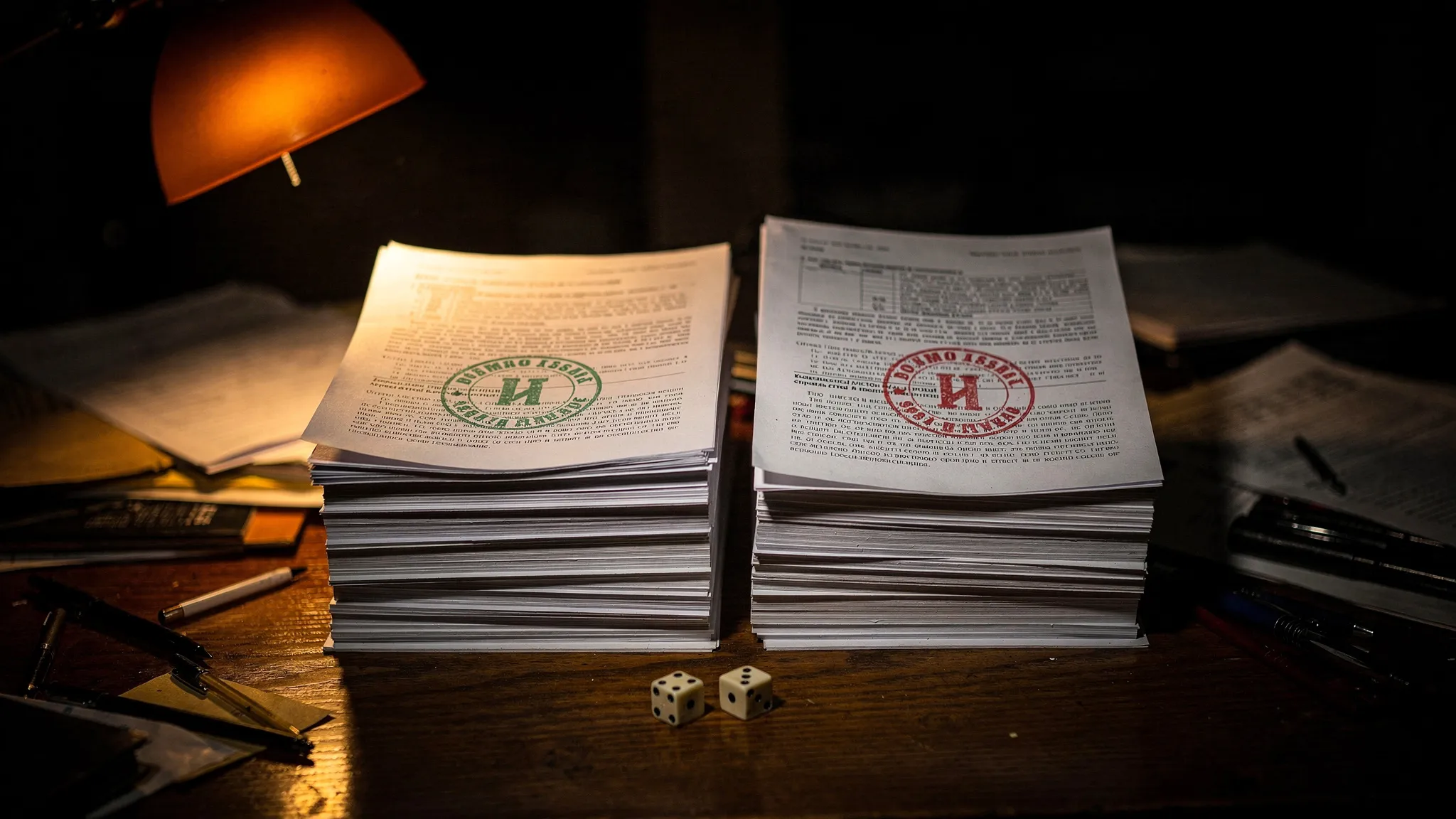
    Two stacks of printed manuscripts on a desk at night, one stamped in green and one in red, a pair of dice between them, under an orange desk lamp.

    A scientist sends a paper to a big conference. Three or four experts grade it, and it is accepted or rejected. Would other experts have said the same?

    Testing it means reviewing the same papers twice. That was done only twice, at NeurIPS in 2014 and 2021. An independent researcher found a cheaper way: simulate it from public scores.

    Applied to nine years of the ICLR conference, 36,113 papers: new reviewers flip the decision for about one paper in four. And 30 to 50 percent of accepted papers would have been rejected. Nine years, no clear trend.

    One culprit is measurable. In 2020, ICLR used a coarse four-point scale. Recoding 2021 scores the same way adds about 7 points of disagreement.

    Source: The Review Lottery: Calibrating an Observational Estimator of Peer-Review Noise (ICLR 2017-2025), https://arxiv.org/abs/2610.06591

    PreprintData analysis4 min read
  4. Medicine & health

    THE HUM NEXT DOOR TO AI DATA CENTERS

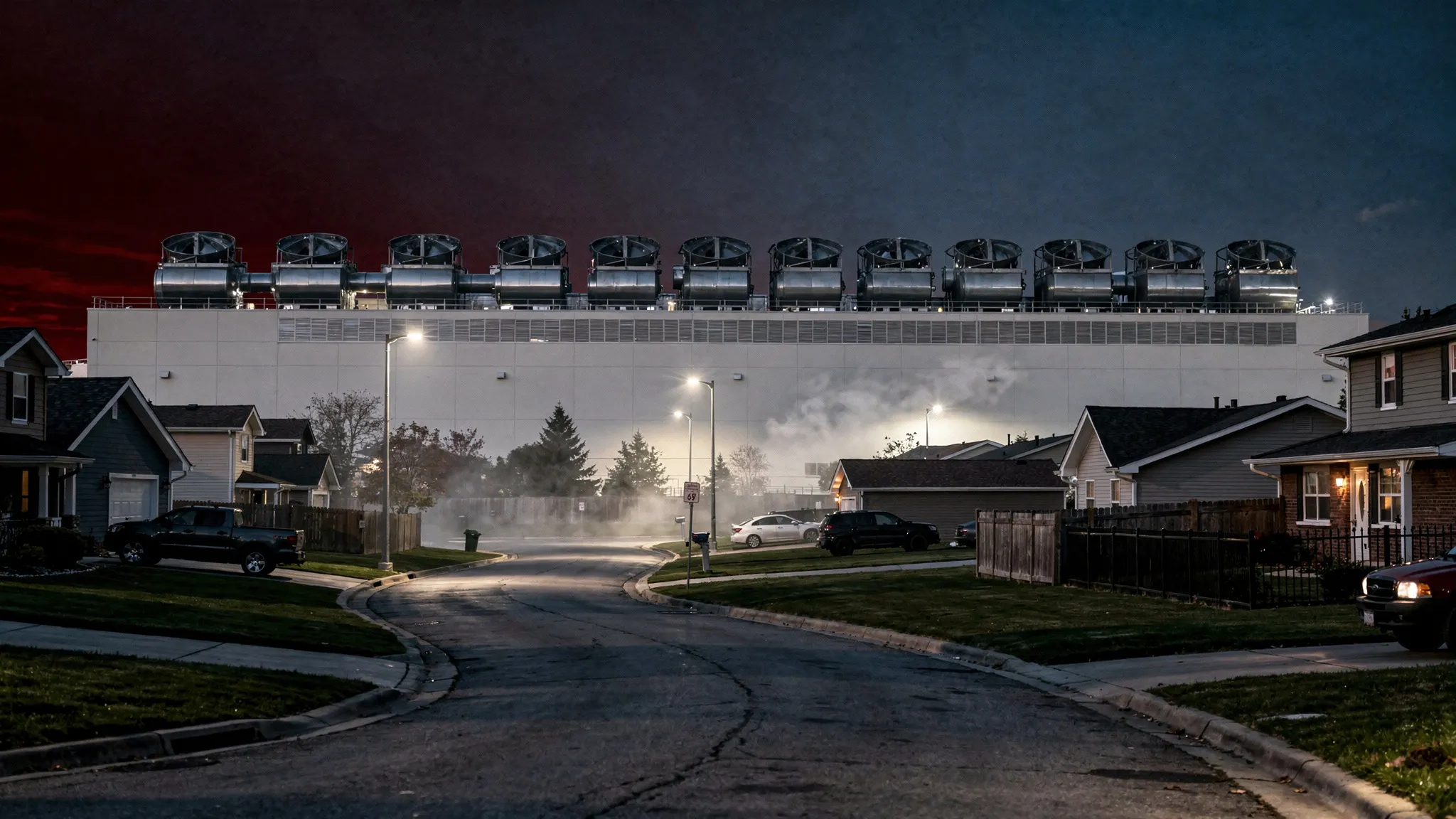
    Rows of large rooftop cooling fans on a windowless industrial building at dusk, a quiet suburban street with houses in the foreground.

    Next to new AI data centers in the United States, residents complain of a constant hum. Some have sued, in several states. Towns have rewritten their noise rules.

    Two Harvard biostatisticians looked for solid measurements. They found readings from 39 to over 70 decibels, mostly from consumer meters. Not one value meets the top grade of evidence. Many cannot even be compared with each other.

    The pattern is clearer than the numbers. Complaints target a steady low-pitched tone, often between 70 and 140 hertz. The usual decibel scale downplays exactly those low sounds.

    Is it bad for health? No study has checked yet. The authors call the link a hypothesis, and propose a protocol to measure properly, inside bedrooms included.

    Source: Noise Emissions from Hyperscale AI Data Centers: A Poorly Characterized Exposure at the Doorstep of Community Health Research, https://arxiv.org/abs/2610.03975

    PreprintData analysis4 min read
  5. Space & astronomy

    SMALL STARS DENY A JUMP IN GRAVITY

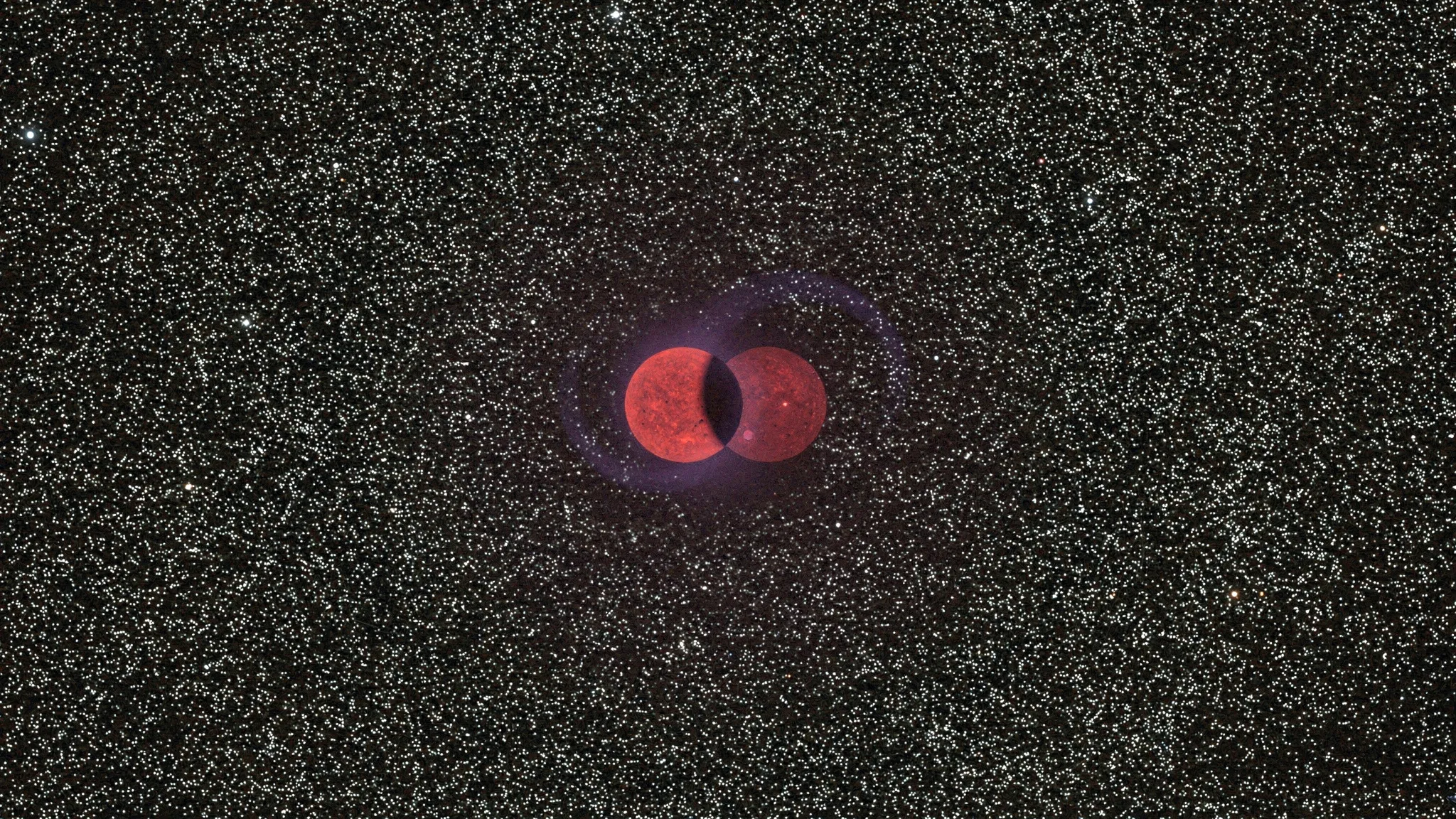
    Two small red stars overlapping each other in the middle of a dense starfield, a faint violet halo around them.

    The universe expands, but two ways of measuring its speed disagree. One bold fix: Newton's gravitational constant jumped suddenly, 73 to 130 million years ago.

    Two physicists found a witness. Small red dwarf stars react to such a change very slowly. A star born under stronger gravity would still be slightly swollen today.

    They simulated these stars and compared them with eight real ones, weighed and measured in eclipsing pairs. No trace of swelling. The best match is gravity that never changed. Starspots cannot hide the missing swelling either.

    The two proposed jumps, 4 and 11 percent, are excluded at 3.1 and 4.0 sigma. One star, J2343+29, carries much of that weight. The cosmic puzzle of the expansion rate stays open.

    Source: Stars Would Remember a Recent Gravitational Transition: Testing G-step Resolutions of the Hubble Tension with Red Dwarfs, https://arxiv.org/abs/2610.04048

    PreprintSimulation3 min read
  6. Space & astronomy

    TWIN PROBES, TWO DIFFERENT FATES

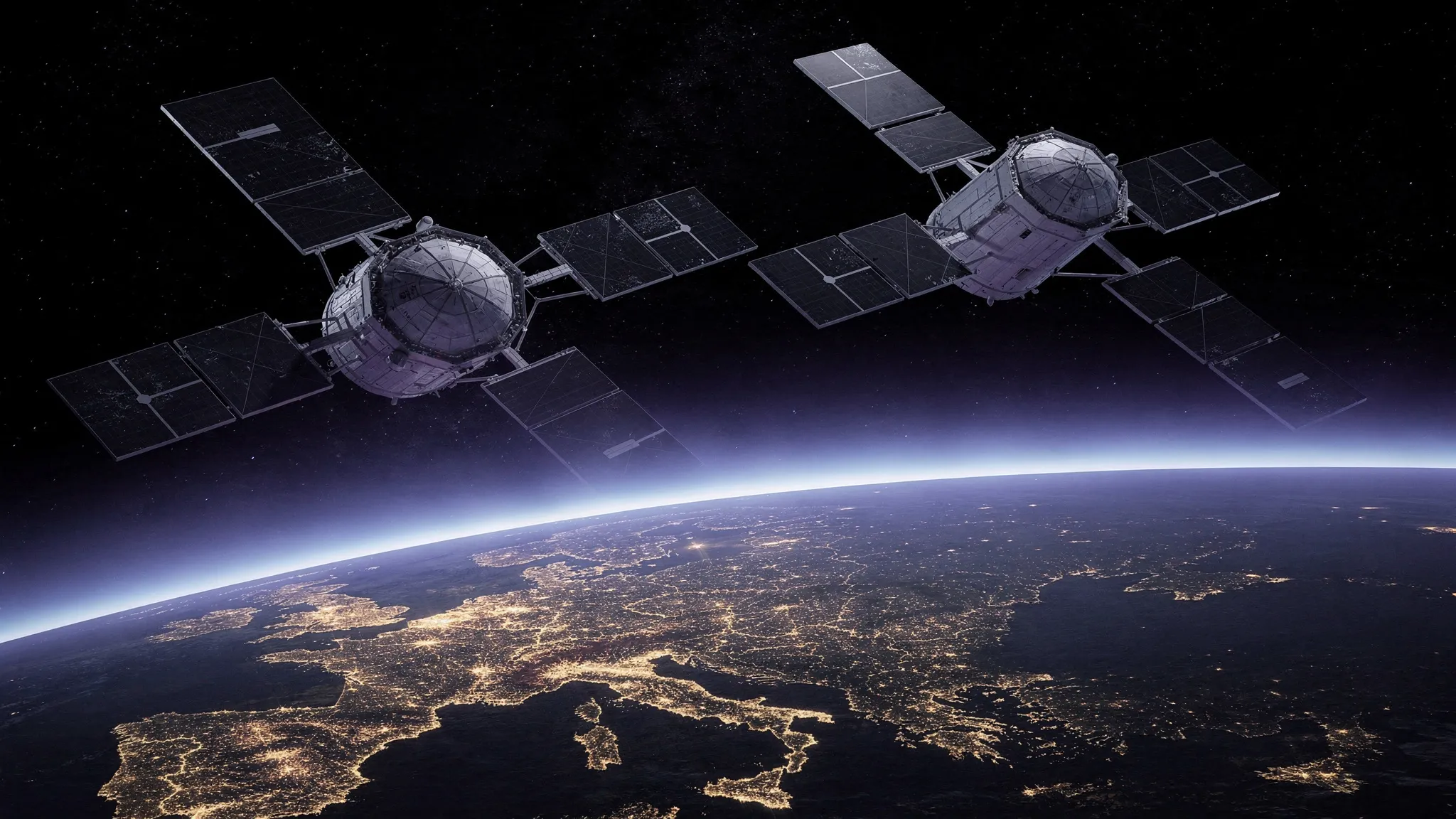
    Two identical satellites with four solar panels each, one higher than the other, above the night side of the Earth with city lights and a thin glowing band of atmosphere.

    In 2012, the two Van Allen Probes were launched together, on identical orbits. Retired in 2019, both were expected to stay up until 2034.

    Yet Probe A fell back and burned up in March 2026. Probe B is still circling. Same orbit, same Sun, same storms: why such different fates?

    An Indian team rebuilt eight years of orbits from public tracking data, one point every 15 seconds. From 2021, Probe A lingered a little longer in the thin, low air. More drag, lower orbit, even more drag: a vicious circle.

    Solar storms poured fuel on it, starting with modest ones in October 2022. A few kilometres of difference were enough to split two twins. The rising Sun made every gap costlier.

    Source: What Caused the Orbital Decay of the Twin Van Allen Probes to Diverge?, https://arxiv.org/abs/2610.05372

    PreprintData analysis4 min read
  7. Space & astronomy

    A PLANET TURNING INTO VAPOUR

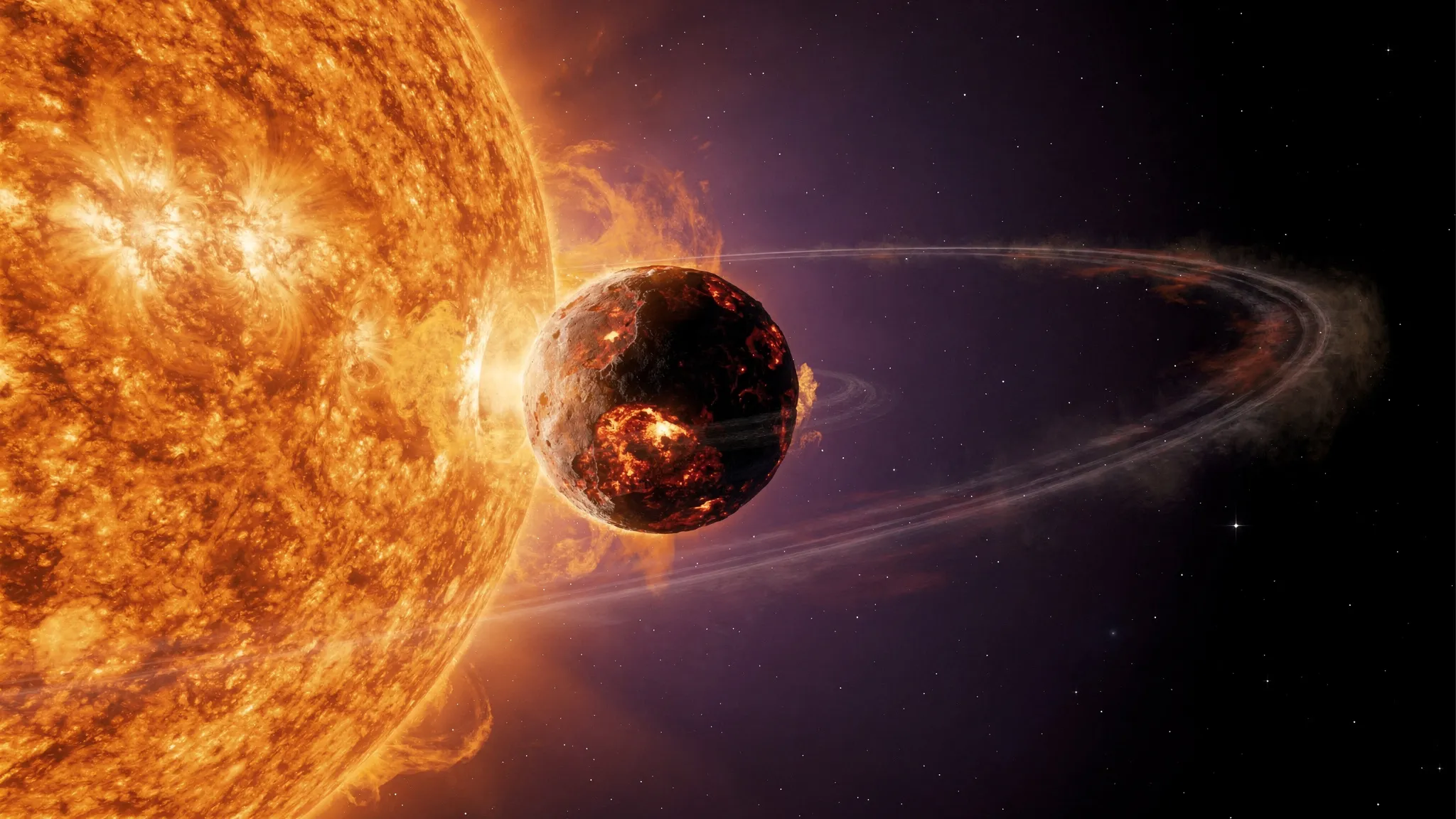
    A small glowing rocky planet right next to a huge orange star, a faint trail of dust curving around its orbit, against violet-tinted space.

    Some rocky planets orbit so close to their star that their surface rock boils. The vapour escapes and forms a tail of dust. BD+05 4868 Ab circles its star in just 1.27 days.

    That vapour should hold more than dust: atoms too, such as oxygen. Two researchers in Indiana went looking with a modest 43 cm telescope in Wisconsin.

    Over eight nights in 2025, they compared the starlight during and outside transits. During transits, an extra dip of about 9 percent appears where oxygen absorbs, near 7,774 ångströms.

    Their model says escaping oxygen gas can explain it. But the star's own oxygen line could mimic it. Sharper spectra, already in archives, can settle it. Until then, it stays a candidate.

    Source: Candidate O I 7774 Å Absorption from an Escaping Rock-Vapor Outflow of BD+05 4868 Ab, https://arxiv.org/abs/2610.04986

    PreprintObservation3 min read
  8. Chemistry

    SOAP BUBBLES MAKE NO PEROXIDE

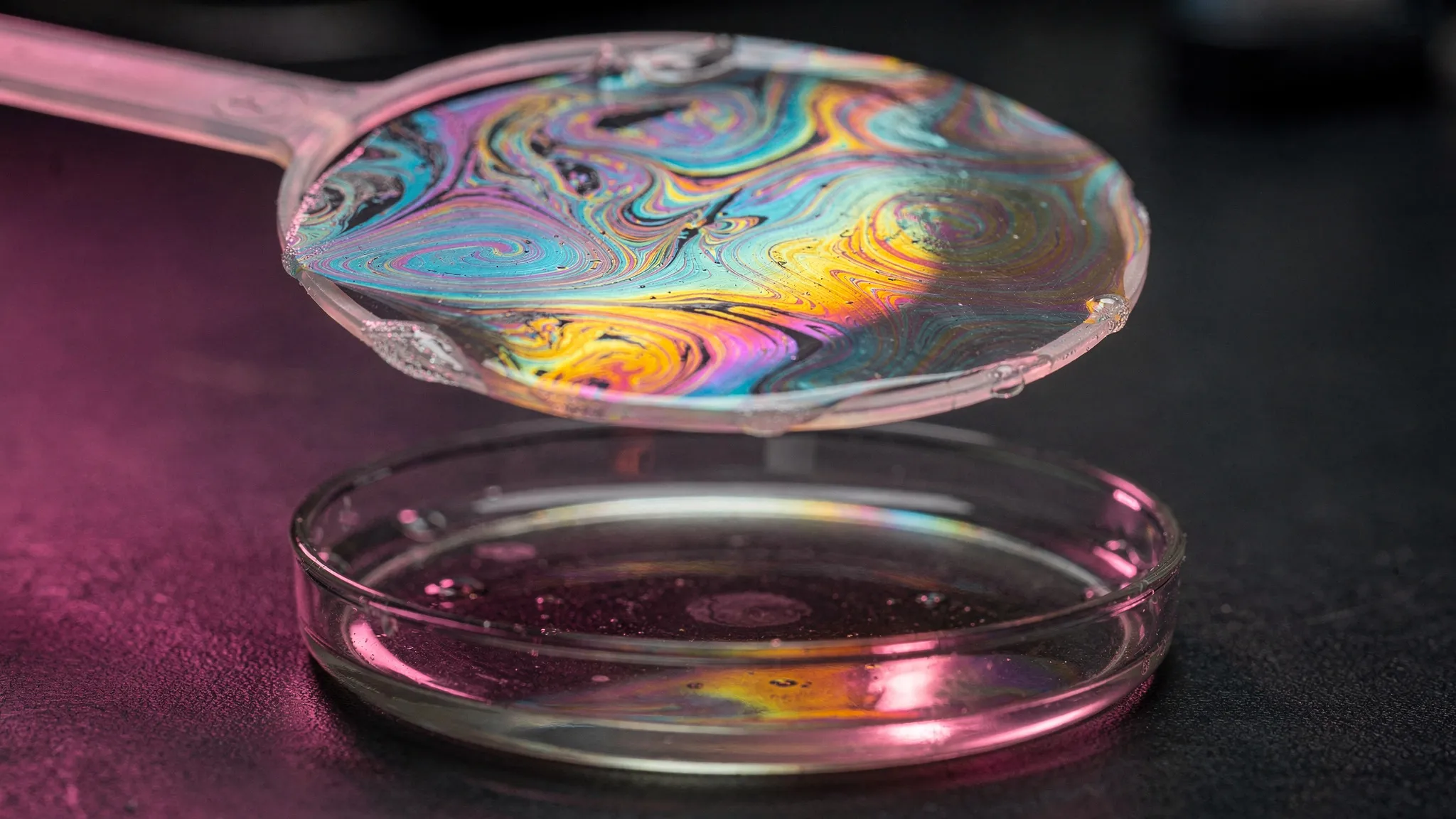
    A thin iridescent soap film swirling with rainbow colours, stretched across a clear plastic wand above a glass Petri dish, lit in magenta on a dark bench.

    Can the surface of water make chemistry happen all by itself? Some labs say yes. Recently, soap films were said to make hydrogen peroxide and turn gold salts into gold particles.

    A team in Saudi Arabia redid the experiment with a store-bought bubble wand. They formed up to 300 soap films. Then they hunted for peroxide with six different methods.

    Result: nothing. Their NMR machine detects as little as 50 nanomolar, and saw no peroxide. Some common test kits did glow a little, but the soap itself caused that.

    Gold particles did appear, but just as much without any film, even in plain water. The gold reacts in the bulk liquid, not at the soapy surface. Water gets oxidised as the gold is reduced.

    Source: Soap Films Amplify the Air–Water Interface but Neither Produce Detectable H2O2 Nor Enhance Reduction of Gold Ions, https://arxiv.org/abs/2610.03774

    PreprintExperiment4 min read
  9. Life sciences

    OTTERS AND SKUNKS, OPPOSITE BRAINS

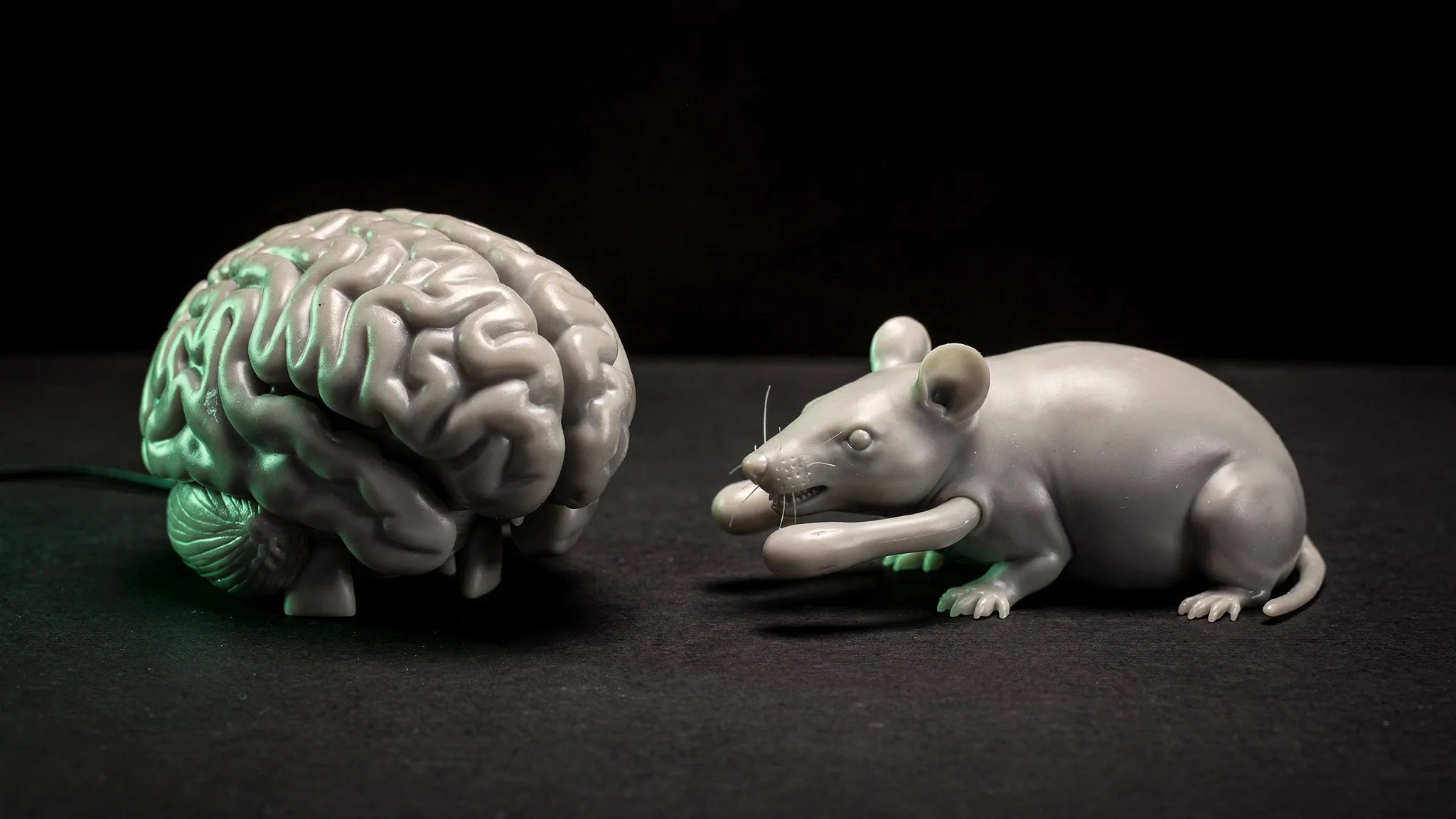
    A grey cast of a brain next to a small grey rodent figurine on a dark table, lit with a faint green glow.

    Otters, skunks, badgers and raccoons are cousins. Do their brains differ with how they live? A European and American team checked 41 species.

    No fresh brains were needed. They scanned museum skulls and rebuilt 113 virtual casts of the cavity that held the brain. Then they measured each region: smell bulbs, cerebrum and hindbrain. Statistics took family ties into account.

    Two lineages stand out. In otters, the smell centre is tiny, 8.6 percent of the brain, and the cerebrum fills 74.3 percent. Skunks do the reverse, with 14.5 percent for smell.

    Most of the rest is just size: bigger brains are rounder, with a larger cerebrum. Fish eaters smell less. How they move, climb, dig or swim, changes surprisingly little.

    Source: Brain scaling and diversity in musteloids, https://arxiv.org/abs/2610.03734

    Peer-reviewedData analysis3 min read
  10. Physics

    HUNTING HIDDEN NUKES AMONG STARLINK SATELLITES

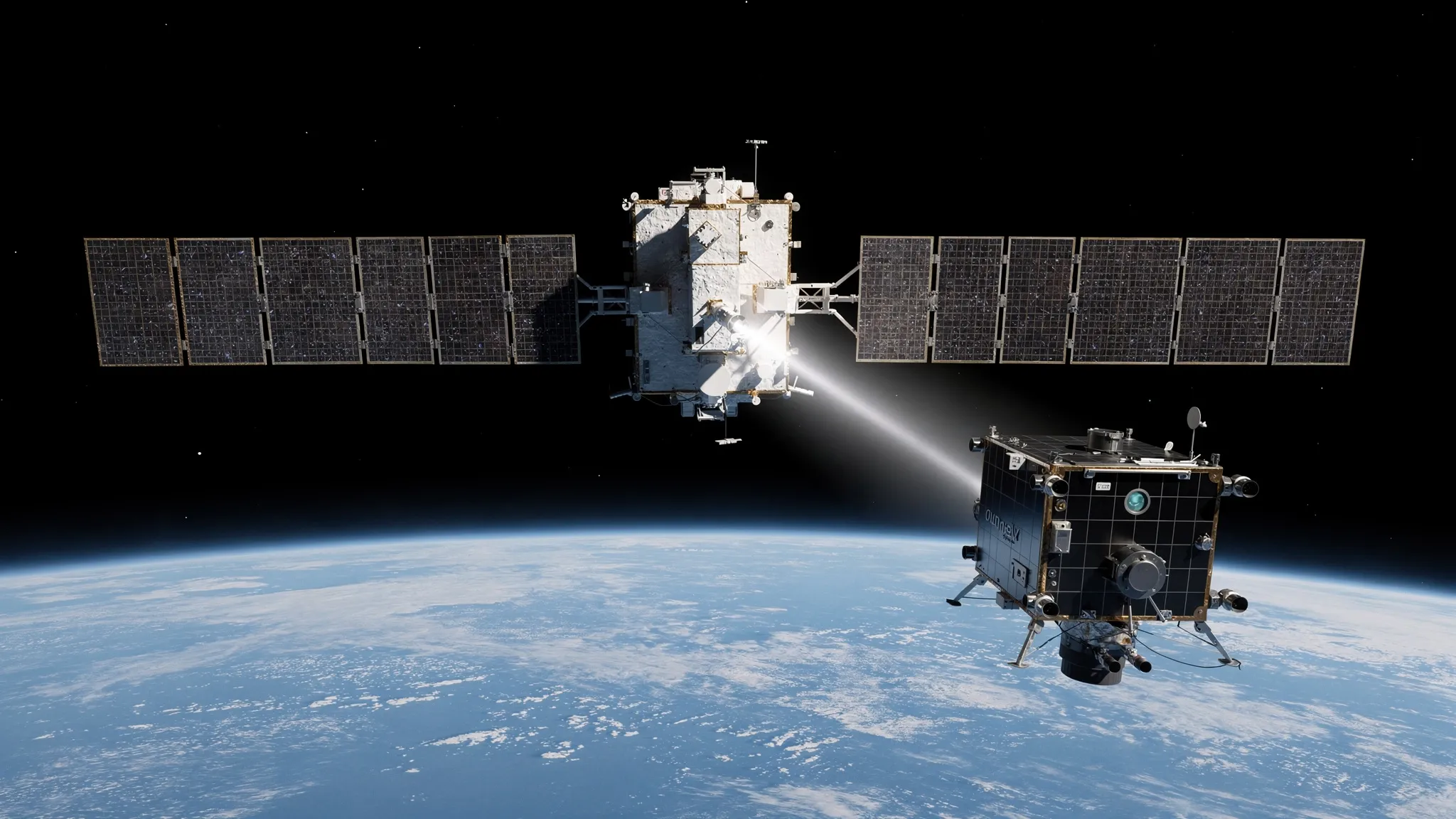
    A small inspector satellite flying close behind a flat communications satellite in low Earth orbit, a thin beam of light between them, the Earth's curve below.

    Since 1967, a treaty bans nuclear weapons in orbit. It contains no way to check. Today, a warhead could hide among thousands of internet satellites.

    A physicist at Virginia Tech designed an inspection, using SpaceX's Starlink as a test case: 7,852 satellites. An inspector craft fires a fine beam of light rays at each one.

    If nuclear material sits inside, the rays split some atoms. Neutrons fly out, and a detector catches them. The dose stays under 1 percent of what space itself gives a satellite in five years.

    Result: 69 inspectors could check every satellite in five years. Or one craft samples a tenth, enough to expose a cheater with 5 warheads 37 percent of the time. The author declares using AI assistants.

    Source: Verification of the Outer Space Treaty with active interrogation, https://arxiv.org/abs/2610.04016

    PreprintSimulation4 min read
  11. Mathematics

    AN AI CRACKS A COLOURING PUZZLE

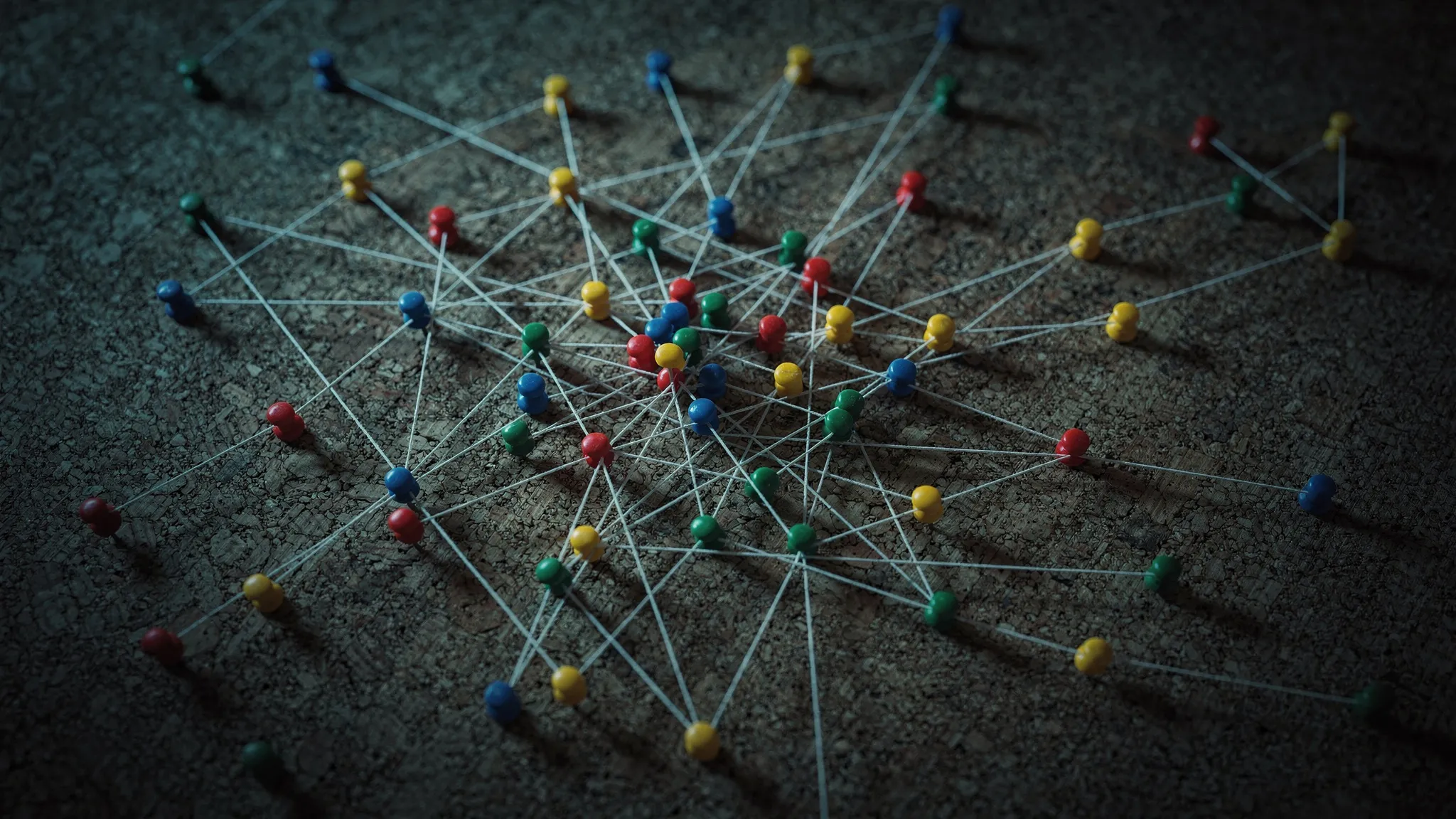
    A tangled network of small pushpins in four colours, red, blue, green and yellow, joined by thin white threads on a dark cork board.

    Colour the dots of a network so that linked dots never share a colour. How many colours do you need? In 1943, Hadwiger proposed an answer that is still unproven.

    The idea ties the colours to the biggest fully linked cluster you can squeeze out of the network. A weaker version says: a fixed multiple of that size always suffices.

    Two mathematicians, in Montreal and Zurich, say they now have a proof of that weaker version. The core was found by an OpenAI model, GPT-6 Astra, guided by them. It even surprised them.

    The proof runs to 41 pages and has not been peer-reviewed. The multiple it guarantees is huge, around 10 to the power 100. Hadwiger's exact guess remains open.

    Source: A Proof of the Linear Hadwiger Conjecture, https://arxiv.org/abs/2610.05291

    PreprintTheory3 min read
Legal notice